The Complete Guide on How to Prune Dracaena for Healthier Growth
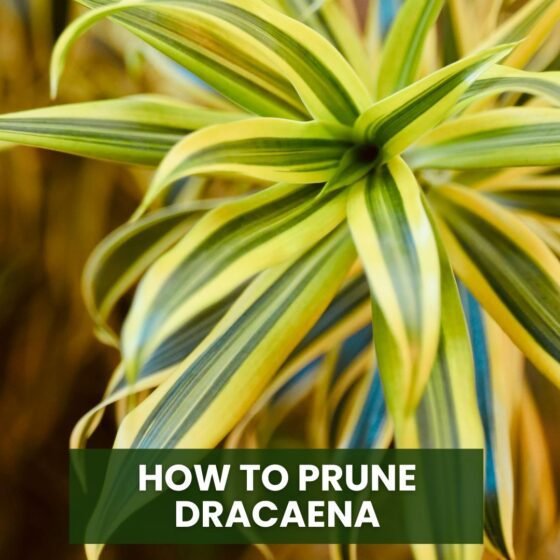
The dracaena plant is one of the most popular indoor plants in the US, loved for its long, elegant leaves and low-maintenance nature.
But just like any other houseplant, it needs occasional pruning to stay healthy and look its best. Learning how to prune dracaena properly can help it grow fuller, stronger, and more vibrant.
With the right technique and timing, you can turn a leggy, uneven dracaena into a lush, attractive centerpiece for your home.
Why Pruning Dracaena Matters
Pruning isn’t just about appearance—it’s essential for the plant’s overall health. Over time, dracaenas can become tall, leggy, and sparse, especially when grown indoors.
By trimming away old or damaged stems, you encourage new shoots to grow from the sides, resulting in a bushier and more balanced plant. It also improves air circulation and keeps your dracaena looking clean and lively.
When to Prune Dracaena
The best time to prune your dracaena is during spring or early summer, when the plant is actively growing. This allows it to recover quickly and sprout fresh growth. Avoid pruning in the cold months, especially winter, since growth naturally slows down.
However, if you spot dead or yellowing leaves, you can remove them any time of the year to maintain appearance and prevent disease.
Tools You’ll Need for Pruning
Before you begin, gather a few simple tools: sharp pruning shears, rubbing alcohol, gloves, and a clean cloth.
Sharp shears make clean cuts that heal faster, while disinfecting them before and after use prevents infections. If your dracaena is tall, a small step stool might help you reach the top stems safely. Always prepare your workspace before starting to avoid mess.
Identify the Areas That Need Pruning
Examine your plant closely to determine which parts to cut. Look for long, bare stems with leaves only at the top, yellowing or drooping leaves, or weak side branches.
Removing these areas encourages your plant to send energy toward healthier parts and stimulate new growth. Focus on maintaining a balanced shape that looks natural and full.
How to Cut the Dracaena Stems
When pruning, use clean, angled cuts about ¼ inch above a leaf node or growth point. This is where new branches will sprout. Cut back any overly tall stems to your desired height.
Don’t be afraid to prune more than one stem—dracaenas are resilient and bounce back quickly. Keep your cuts neat and avoid crushing the stem tissue, as that can slow healing.
Removing Dead or Damaged Leaves
In addition to cutting stems, make sure to remove any brown, yellow, or dry leaves. These leaves no longer contribute to the plant’s health and can attract pests.
Use scissors or gently pull them away by hand if they come off easily. Focus on cleaning the base of the plant to create a tidy appearance and prevent mold buildup in the soil area.
Encourage New Growth After Pruning
After trimming, your dracaena will naturally begin producing new shoots below the cut points. To support this process, place the plant in bright, indirect sunlight and keep the soil slightly moist.
Avoid overwatering during recovery. You can also use a balanced liquid fertilizer once a month to encourage faster regeneration and lush new leaves.
Propagate the Cuttings You Remove
Don’t throw away the healthy cuttings! You can propagate dracaena easily using the stems you trimmed.
Cut them into 6–8-inch pieces, remove the lower leaves, and place them in water or moist potting mix.
Within a few weeks, they’ll develop roots and can be replanted in small pots. It’s a simple way to multiply your collection or share plants with friends.
Shape Your Dracaena for a Fuller Look
Pruning allows you to control the shape and height of your dracaena. For a fuller look, trim multiple stems at varying heights.
This creates a layered appearance that looks lush and natural. You can also pinch off the growing tips of new shoots to promote branching. Consistent shaping keeps the plant compact and aesthetically pleasing, especially in small indoor spaces.
Clean the Plant After Pruning
Once pruning is complete, wipe the leaves with a damp cloth to remove dust and residue. This not only improves appearance but also allows better photosynthesis.
Use a soft cloth or paper towel and gently clean each leaf from base to tip. You can also mist the leaves lightly to refresh them, but avoid soaking the soil immediately after pruning.
Adjust Light and Watering After Pruning
Your dracaena may need slightly different care as it recovers. Place it in a bright, warm spot away from direct sunlight to avoid leaf burn.
Reduce watering slightly for a week or two since the plant’s water needs drop after trimming. Gradually resume regular care once you notice new growth emerging from the cut points.
Avoid Over-Pruning
While pruning is beneficial, cutting too much at once can stress your dracaena. As a rule, don’t remove more than one-third of the plant’s total height at a time.
Over-pruning may slow growth or cause leaf loss. It’s better to prune gradually over several weeks, especially if your plant hasn’t been trimmed in a long time.
Common Mistakes to Avoid
Some people make the mistake of cutting too close to the base or trimming during dormancy. Both can damage the plant. Avoid using dull scissors, as they crush stems instead of cutting cleanly.
Never leave open cuts untreated in cold, humid conditions since they can invite rot. Always ensure your tools are sharp and disinfected to protect the plant.
How to Maintain a Healthy Dracaena After Pruning
To keep your dracaena looking vibrant, dust the leaves regularly, water properly, and fertilize every 4–6 weeks during the growing season. Rotate the pot every few weeks so all sides receive equal light.
Check for pests like spider mites or mealybugs, especially around new growth. Healthy care habits ensure your pruned dracaena flourishes beautifully.
Signs Your Dracaena Needs Pruning Again
If your plant starts to grow tall with sparse leaves or loses its symmetry, it’s time to prune again. Watch for leggy stems, drooping tops, or uneven height.
Regular trimming keeps your plant manageable and prevents it from becoming top-heavy. Most dracaenas benefit from light pruning once or twice a year.
Reviving a Neglected Dracaena
If your dracaena looks bare or unhealthy, don’t panic—it can recover with proper pruning. Cut back the stems to about 8–10 inches above the soil, and new shoots will emerge within a few weeks.
Keep it in warm light and maintain consistent moisture. With patience and care, even an overgrown dracaena can bounce back into shape.
Final Thoughts
Learning how to prune dracaena is one of the easiest ways to keep your indoor plant healthy, full, and attractive.
By trimming it at the right time and encouraging new growth, you’ll enjoy a lush, elegant dracaena year-round.
Regular maintenance, gentle care, and smart pruning techniques ensure your plant thrives—bringing beauty, freshness, and a touch of green serenity to your home.