How to Prune Chrysanthemums for Healthier Growth & More Blooms
Chrysanthemums, also known as mums, are vibrant, long-lasting flowers that bring charm and color to any garden. Proper pruning is the secret to strong stems, fuller blooms, and longer-lasting flowers.
Without pruning, chrysanthemums can become leggy, produce fewer flowers, or develop weak growth. In this guide, you’ll learn when and how to prune chrysanthemums to keep them thriving all season long.
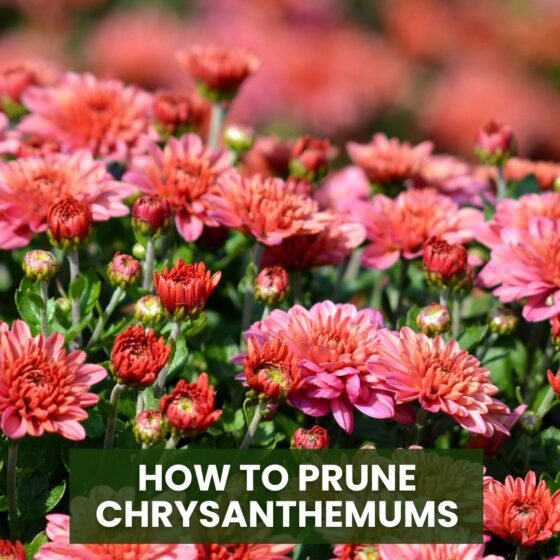
Why Pruning Chrysanthemums Is Important
Pruning chrysanthemums encourages bushy growth, prevents overcrowding, and improves air circulation.
It also helps the plant focus energy on producing larger, more colorful flowers instead of excessive foliage. Regular pruning reduces the risk of pests and diseases and keeps your garden looking tidy and well-maintained.
Best Time to Prune Chrysanthemums
The timing of pruning is crucial. Chrysanthemums are typically pruned in spring and summer. Early spring pruning helps remove dead stems and encourages new growth, while summer pruning (pinching) promotes a fuller shape and more blooms in the fall. Avoid pruning in late fall or winter, as this can weaken the plant for the next growing season.
Essential Tools You’ll Need
Having the right tools makes pruning safe, efficient, and precise:
-
Sharp pruning shears: For clean cuts without crushing stems.
-
Gloves: Protect your hands from scratches and debris.
-
Disinfectant: To clean shears between plants and prevent disease spread.
-
Garden scissors: Ideal for delicate pinch pruning of small shoots.
Keeping your tools clean and sharp ensures healthier cuts and reduces the risk of infections.
Method 1 – Pinching Back for Bushy Growth
Pinching is a popular technique to create full, compact plants. When your chrysanthemum reaches 6–8 inches in height, pinch out the top 1–2 inches of new growth just above a leaf node.
This encourages side shoots to develop, making the plant bushier. Continue pinching every few weeks until midsummer to maximize bloom potential.
Method 2 – Thinning Out Stems
Thinning prevents overcrowding and improves air circulation. Remove any weak, dead, or crossing stems at the base using sharp pruning shears.
Focus on cutting stems that are not contributing to the overall shape. Thinning helps sunlight reach all parts of the plant and encourages stronger, healthier growth for remaining stems.
Method 3 – Removing Dead or Diseased Flowers
Deadheading, or removing spent blooms, keeps chrysanthemums looking fresh and vibrant. Use your fingers or scissors to cut dead flowers just above a leaf node or healthy stem.
This process redirects the plant’s energy from producing seeds to creating new blossoms, extending the flowering season.
Method 4 – Cutting Back After Flowering
After your chrysanthemums finish flowering in fall, cut the stems down to about 4–6 inches above the ground.
This post-bloom pruning prepares the plant for winter dormancy and helps prevent fungal diseases. In colder climates, adding mulch over the pruned plant provides extra protection during winter.
Method 5 – Shaping for Aesthetic Appeal
Pruning isn’t just about plant health—it also improves garden aesthetics. Trim stems to maintain a pleasing shape, remove overly tall or straggly growth, and balance the plant’s proportions. A well-shaped chrysanthemum not only blooms more evenly but also enhances your garden’s overall appearance.
Tips for Maintaining Chrysanthemums Between Pruning
-
Water regularly to support new growth and prevent stress.
-
Fertilize after each major pruning to encourage strong stems and blooms.
-
Monitor for pests like aphids or spider mites and address issues early.
-
Keep plants spaced adequately to allow good airflow and sunlight penetration.
These habits complement pruning and help chrysanthemums thrive season after season.
Common Mistakes to Avoid When Pruning
-
Avoid pruning too late in the season, which can reduce blooms next year.
-
Don’t remove more than one-third of the plant at a time, as this can shock the plant.
-
Avoid using dull or dirty tools, which can lead to uneven cuts and infections.
-
Don’t neglect pinching, which is essential for bushy growth and maximum flower production.
Correct pruning methods combined with proper timing and care are key to healthy, flower-rich chrysanthemums.
Final Thoughts
Pruning chrysanthemums is the secret to achieving vibrant, long-lasting blooms and strong, healthy plants.
By knowing when and how to prune, you can encourage bushier growth, remove dead or diseased stems, and maintain a visually appealing garden.
With consistent care, proper tools, and regular maintenance, your chrysanthemums will flourish beautifully year after year, making your garden a colorful showcase.