The Complete Guide on How to Prune Dieffenbachia for Stronger and Healthier Growth
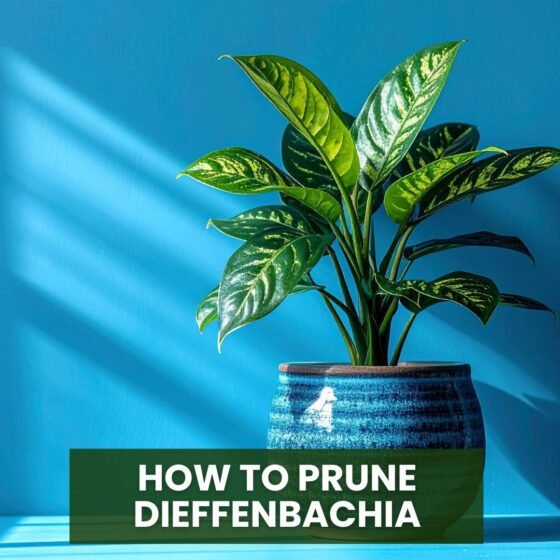
The Dieffenbachia, also known as the Dumb Cane, is a stunning tropical houseplant that brings a bold, lush vibe to any home. Its large, patterned leaves make it a favorite for indoor plant lovers across the US.
However, without proper pruning, this beautiful plant can grow tall, leggy, and uneven.
Knowing how to prune Dieffenbachia correctly helps it stay full, healthy, and vibrant. With just a few careful cuts, you can rejuvenate your plant and promote new, lush growth year-round.
Why Pruning Dieffenbachia Is Important
Pruning is more than just shaping your plant—it’s about maintaining its health. Over time, Dieffenbachia plants can become leggy, with leaves concentrated at the top and bare stems below. Pruning helps the plant redistribute energy, encouraging fuller, bushier growth.
It also removes dead or yellowing leaves that attract pests or disease, improving both appearance and longevity.
When to Prune Dieffenbachia
The ideal time to prune Dieffenbachia is during spring or early summer, when the plant is actively growing. This allows new shoots to develop faster and recover from cuts easily. Avoid pruning in winter, as the plant’s growth naturally slows down and it might not heal as well.
However, you can remove dead or damaged leaves anytime throughout the year to maintain cleanliness and health.
Tools You’ll Need for Pruning
Before you start pruning, gather essential supplies to ensure a clean and safe process. You’ll need sharp pruning shears or scissors, rubbing alcohol, gloves, and paper towels.
Always disinfect your tools before and after pruning to prevent spreading bacteria or fungal infections. Since Dieffenbachia sap can irritate the skin, gloves are highly recommended to avoid contact.
Identify What Needs to Be Pruned
Start by examining your plant closely. Look for yellowed leaves, damaged stems, or overly tall stalks. These are signs your Dieffenbachia needs trimming.
Remove lower leaves that have lost their color and shape, and focus on areas where the plant looks thin or uneven. Trimming back these parts helps your plant grow stronger and more symmetrical over time.
How to Cut Dieffenbachia Stems
When pruning stems, always use clean, sharp shears to make smooth, angled cuts about one inch above a node or leaf joint. This is where new shoots will emerge.
If your plant has multiple tall stalks, cut them back to varying heights to encourage a fuller, layered look. Avoid cutting too close to the soil line—leave at least 4–6 inches of stem so the plant can regrow easily.
Removing Yellow or Dead Leaves
Yellow leaves not only make the plant look unhealthy but can also signal stress or disease. Gently pull off or cut away yellow or brown leaves near the base.
If they resist, trim them with scissors instead of tugging to avoid damaging healthy tissue. Removing these leaves allows the plant to focus energy on producing new, healthy growth instead of supporting dying foliage.
How to Encourage Bushier Growth
After pruning, your Dieffenbachia may look sparse, but new shoots will soon sprout near the cut points. To encourage bushy, compact growth, place the plant in bright, indirect light and keep the soil evenly moist.
You can also rotate the pot every few weeks so all sides receive equal sunlight, helping your plant grow evenly and avoid leaning toward one direction.
Propagate the Cuttings You Remove
Pruning Dieffenbachia also gives you the perfect opportunity to propagate new plants. Take the healthy cuttings you removed, making sure each piece has at least one leaf node.
Place them in water or moist potting soil, and roots will start to form within a few weeks. Once established, transplant them into small pots. It’s an easy and rewarding way to grow more plants from your original one.
Cleaning Up the Pruned Plant
Once you finish pruning, it’s time to tidy up. Wipe the remaining leaves with a damp cloth to remove dust and any sticky sap residue. This improves the plant’s ability to photosynthesize and breathe.
Avoid fertilizing immediately after pruning; wait about two weeks so the plant can focus on recovery instead of new nutrient intake.
How to Care for Dieffenbachia After Pruning
After pruning, your plant enters a short recovery phase. Keep it in a warm, humid environment with bright, indirect sunlight. Water moderately, ensuring the soil stays moist but not soggy.
Avoid placing the plant near air vents or cold drafts, as this can stress new growth. Within a few weeks, you’ll notice small shoots emerging along the trimmed stems.
Prevent Over-Pruning
While pruning helps rejuvenate your Dieffenbachia, cutting too much at once can weaken the plant. Never remove more than one-third of the total height during a single session.
Over-pruning can shock the plant and slow down its recovery. If your Dieffenbachia is heavily overgrown, prune it gradually over several weeks to allow steady regeneration.
Avoid Common Pruning Mistakes
Beginners often make small but costly mistakes when pruning Dieffenbachia. Avoid cutting too close to the soil, using dull scissors, or neglecting to clean tools before use.
Never prune in cold conditions or direct sunlight—these stress the plant. Remember, precision and patience go a long way in achieving a lush, healthy look.
Rejuvenating a Leggy or Overgrown Dieffenbachia
If your plant has grown tall with bare lower stems, don’t worry—it can be revived easily. Cut the main stalks down to about 6–8 inches above the soil, leaving a few leaves at the top.
This encourages new shoots to sprout from the sides and base, giving your plant a compact and refreshed shape within a few weeks.
Regular Maintenance Tips
To keep your Dieffenbachia thriving, wipe leaves monthly, rotate the pot for even light, and prune lightly twice a year.
Feeding with a balanced liquid fertilizer every 4–6 weeks during spring and summer supports new growth.
Keep an eye out for yellowing leaves, which may indicate overwatering or lack of light. Consistent care helps prevent major pruning later on.
How to Know When to Prune Again
You’ll know it’s time for another trim when the plant starts leaning, losing lower leaves, or growing unevenly.
Most Dieffenbachias benefit from pruning once or twice a year. Regular attention keeps them dense and vibrant, ensuring they continue to be a stunning part of your indoor garden.
Safety Precautions When Pruning
Dieffenbachia sap can be irritating to skin and eyes, so always wear gloves when pruning or handling cut stems. Wash your hands and tools thoroughly after finishing.
Keep pets and children away from freshly cut pieces, as the sap can cause mild toxicity if ingested. With basic precautions, pruning remains safe and hassle-free.
Final Thoughts
Learning how to prune Dieffenbachia is the secret to maintaining a beautiful, thriving houseplant that stays healthy year after year.
By trimming it at the right time and focusing on careful, clean cuts, you’ll promote bushy growth, prevent legginess, and extend the plant’s lifespan.
With consistent care, light, and patience, your Dieffenbachia will reward you with lush green leaves that brighten every corner of your home.