How to Prune Ferns: Keep Them Fresh, Full, and Thriving All Year Long
Ferns bring a lush, natural charm to both indoor and outdoor spaces, but over time, their fronds can grow messy, brown, or overcrowded.
Learning how to prune ferns helps keep them healthy, beautiful, and full of new growth. With proper trimming, you’ll encourage fresh fronds to appear, prevent disease, and maintain that elegant green look.
Whether your fern grows in a pot, garden bed, or hanging basket, regular pruning ensures it stays picture-perfect through every season — even in winter.

🌱 Why Pruning Ferns Matters
Pruning isn’t just about looks — it’s about plant health. When old or damaged fronds are left on the plant, they can block light and nutrients from reaching new shoots.
Regular pruning removes dead or yellowing leaves, keeps air flowing between fronds, and allows the fern to grow stronger. It’s one of the simplest ways to refresh your fern and extend its lifespan.
✂️ When to Prune Ferns
The best time to prune ferns depends on their growing environment. In general, the ideal pruning period is late winter to early spring before new growth begins. This helps the plant focus energy on developing healthy new fronds instead of supporting old, dying ones.
-
For indoor ferns, light pruning can be done anytime if you notice browning or leggy growth.
-
For outdoor ferns, wait until the cold weather ends, as pruning too early can expose tender crowns to frost damage.
-
For evergreen ferns, trim only the fronds that look old or damaged — the rest will stay green all year.
Pruning during this window keeps your fern in perfect shape for the upcoming growing season and prevents over-pruning during dormancy.
🌿 How to Prune Ferns Properly
Proper pruning ensures your fern continues to thrive without stress. Follow these easy, step-by-step guidelines to prune your fern effectively:
1. Gather Your Tools
Use a pair of sharp, clean pruning shears or scissors. Cleaning your tools before use prevents spreading diseases between plants.
2. Identify Dead or Damaged Fronds
Look for fronds that are brown, yellow, or wilted. These should be trimmed first since they take nutrients away from the rest of the plant.
3. Cut at the Base
Always trim fronds as close to the soil line as possible. Cutting too high leaves stubs that can rot or attract pests.
4. Thin Overcrowded Areas
If your fern has dense growth, thin out some fronds from the center. This improves air circulation and light penetration, helping new fronds grow healthy and lush.
5. Avoid Over-Pruning
Never remove more than one-third of the plant’s fronds at once. Over-pruning can shock the plant and slow its recovery.
Pruning this way encourages new shoots to emerge stronger and fuller, giving your fern that signature soft, feathery look.
🌸 How to Prune Ferns in Pots
Potted ferns need more frequent pruning than those planted in the ground because their confined roots and limited soil make them more vulnerable to stress.
Start by inspecting your fern closely. Remove any fronds that touch the soil surface since they can easily rot in the moisture of a pot. Then trim outer fronds that look droopy or overgrown to maintain a rounded shape. Be gentle near the crown — this is where new growth forms.
If your pot is small, rotate it while pruning so you can access all sides evenly. After pruning, wipe the edges of the pot clean and water the fern lightly. Adding a bit of balanced liquid fertilizer a few days later helps it bounce back beautifully.
🍃 Pruning Ferns for Winter
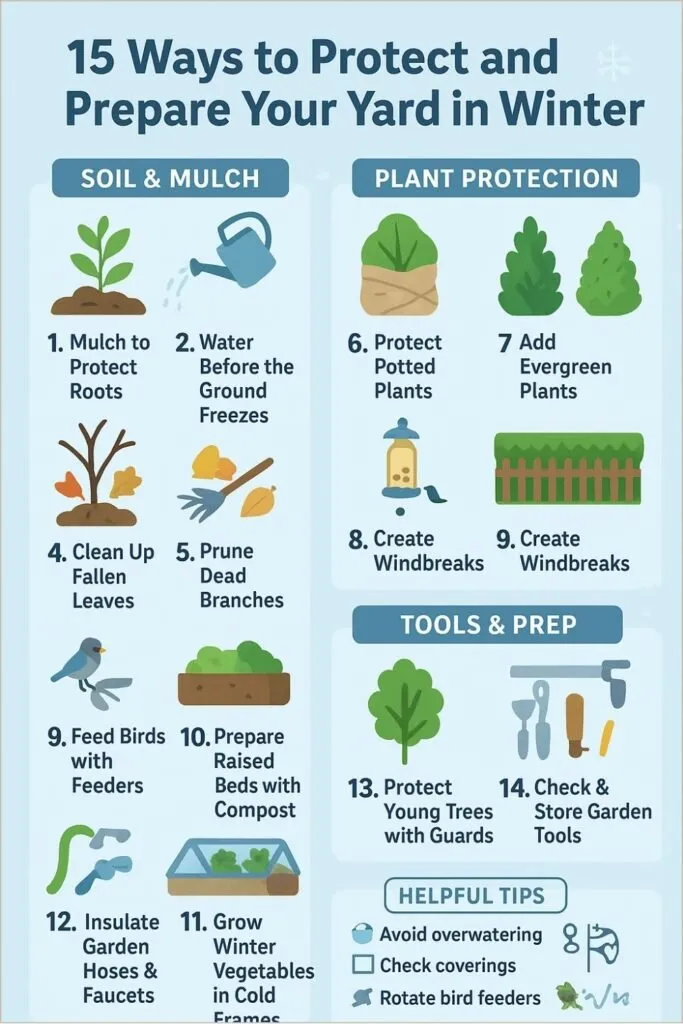
Winter can be tough on ferns, especially those kept outdoors. Pruning before winter helps protect the plant and prepare it for dormancy.
-
Trim old fronds in late fall to prevent mold or decay over winter.
-
If you live in a region with frost, cut fronds back to about 2 inches above the ground and cover the crown with mulch for insulation.
-
For indoor ferns, prune sparingly — only remove yellow or crispy leaves. Keep them in a warm area away from drafts and maintain moderate humidity.
This winter pruning routine keeps your fern’s roots strong and ready to sprout fresh growth once spring returns.
🪴 How to Maintain Ferns After Pruning
Once you’ve pruned your fern, maintenance becomes easier. Proper care after pruning ensures long-lasting results.
-
Watering: Keep the soil moist but not soggy. Ferns love humidity but hate standing water.
-
Lighting: Place your fern in bright, indirect light. Too much sun can scorch its tender fronds.
-
Fertilizing: Feed with a diluted liquid fertilizer once every 4–6 weeks during the growing season.
-
Cleaning: Mist the fronds occasionally to keep dust away and help them absorb moisture better.
Regular maintenance keeps your fern fresh, prevents pests like scale or mealybugs, and encourages consistent growth throughout the year.
🌾 Common Mistakes to Avoid When Pruning Ferns
Even with the best intentions, pruning mistakes can set your plant back. Here are a few to watch out for:
Cutting too much at once: Removing too many fronds can cause shock and stunt growth.
Using dull or dirty tools: Always clean your shears to prevent disease.
Ignoring the crown: Cutting too close to the crown can damage new shoots.
Skipping seasonal care: Forgetting to prune before winter or spring can lead to poor regrowth.
Being mindful of these small details helps you keep your fern lush, green, and free from stress.
🌤️ How Often Should You Prune Ferns?
For most varieties, pruning every 2–3 months is enough to maintain a neat appearance. Indoor ferns may need touch-ups more often since their fronds can yellow faster due to limited light or dry air. Outdoor ferns, on the other hand, benefit from a deep prune once a year — typically before new fronds emerge in spring.
You can always do light pruning throughout the year as needed, especially if you see brown tips or damaged leaves. This gentle upkeep keeps your fern vibrant without major stress.
🌼 Best Pruning Tips for Healthy, Full Ferns
-
Use sterile tools to prevent infection.
-
Always cut fronds at the base, never halfway.
-
Avoid watering immediately after pruning to reduce crown rot risk.
-
Prune in bright but shaded conditions to prevent sunburn on exposed parts.
-
For hanging or potted ferns, rotate the pot weekly to ensure even growth.
Consistent care and gentle pruning keep your fern looking like it came straight out of a lush rainforest.
🌿 Final Thoughts
Learning how to prune ferns isn’t complicated — it’s an act of care that rewards you with a healthier, more vibrant plant. Regular pruning keeps your fern lush, green, and free of dead fronds, while also encouraging steady new growth.
Whether your fern sits in a decorative pot, bright patio corner, or shaded garden bed, trimming it the right way ensures year-round freshness and beauty.
Keep those shears handy, give your fern a little attention each season, and enjoy its timeless, elegant greenery for years to come.