
Mastering Grape Vine Care: How to Prune Grape Vines for Maximum Growth and Fruit
Pruning grape vines is a crucial part of grapevine care that directly impacts growth, fruit production, and overall plant health.
Many gardeners struggle with pruning because grape vines can look wild and intimidating if left unchecked.
Proper pruning encourages healthy growth, increases fruit yield, and ensures your vine stays strong for years.
In this guide, we’ll cover when and how to prune grape vines, step by step, using easy language for gardeners of all levels.
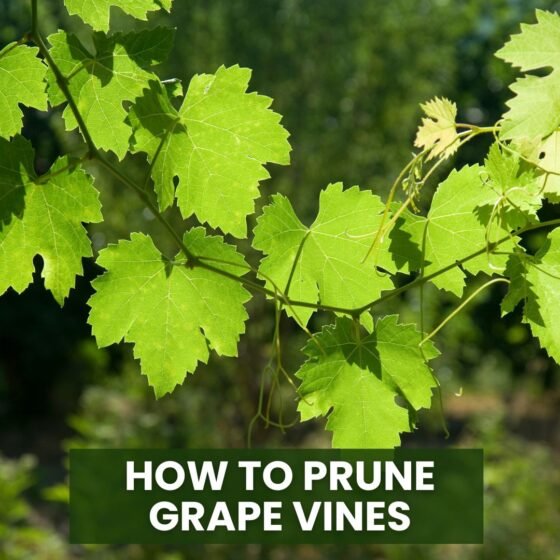
Understanding the Basics of Grape Vine Pruning
Before you start pruning, it’s essential to understand why grape vines need it. Grapevines grow vigorously, and without proper pruning, they can become overgrown, produce fewer fruits, and even risk disease.
Pruning controls vine shape, removes dead or weak growth, and promotes better sunlight exposure. Grapevines produce fruit on one-year-old wood, so knowing which canes to cut and which to leave is key to a productive harvest.
When to Prune Grape Vines
Timing is everything when it comes to pruning grape vines. Typically, pruning is done during the dormant season, late winter or early spring, before buds start swelling.
This timing reduces stress on the plant and helps prevent disease. Summer pruning, known as canopy management, is also used to remove excess shoots and leaves, allowing sunlight to reach fruit clusters and improving air circulation.
Tools You’ll Need
To prune grape vines safely and effectively, having the right tools is essential. You’ll need sharp pruning shears for small canes, loppers for thicker wood, and gloves to protect your hands.
Sterilizing your tools before and after pruning prevents the spread of disease between plants.
Step-by-Step Guide: How to Prune Grape Vines
1. Remove Dead, Damaged, or Diseased Wood
Start by cutting away any dead or diseased wood. These canes are often brown, brittle, or cracked. Removing them not only keeps your vine healthy but also opens up space for new growth. Focus on canes that show no signs of life—healthy canes should be green and firm when scratched lightly with your fingernail.
2. Identify Fruit-Bearing Canes
Grapevines produce fruit on one-year-old canes. Look for canes that grew last season and are strong, about the thickness of a pencil.
These are the ones that will bear fruit this year. Leave 4–6 of these canes per vine for optimal fruit production and cut the rest back to the main trunk.
3. Cut Back Excess Growth
Overgrown vines can shade fruit clusters and reduce air circulation, leading to disease. Cut back excess lateral shoots and weak canes that won’t produce fruit.
Focus on shaping the vine, maintaining a central trunk, and keeping a few strong fruiting arms. This will help sunlight reach the grape clusters and improve fruit quality.
4. Train the Vine Along a Trellis
Training your grapevine along a trellis or support system ensures proper structure. Tie the selected canes to horizontal wires, spacing them evenly.
This method helps the vine grow vertically and horizontally in an organized way, improving airflow and sunlight exposure for better fruit ripening.
5. Spur vs. Cane Pruning
Depending on the grape variety, you may use spur pruning or cane pruning. Spur pruning involves cutting canes back to short spurs with 2–3 buds each.
Cane pruning keeps longer canes with 8–15 buds. Spur pruning is common for table grapes, while cane pruning works well for wine grapes. Both methods focus on leaving fruiting wood while removing excess growth.
Summer Pruning: Keep Your Vines Healthy
In addition to winter pruning, summer pruning helps maintain vine health. Remove excess leaves and shoots that block sunlight and airflow. Pinch off non-fruiting shoots and suckers that grow from the base of the plant. This encourages the vine to focus its energy on ripening grapes rather than producing unnecessary foliage.
Tips for Beginners
-
Always prune with sharp, clean tools to make precise cuts and avoid damaging the vine.
-
Keep the main trunk intact; never remove more than one-third of the vine in a single season.
-
Mark buds carefully. The first few buds near the trunk often produce small or no fruit, so focus on leaving buds further along the cane.
-
Keep your pruning consistent every year to maintain vine shape and maximize fruit yield.
Common Mistakes to Avoid
Many gardeners unintentionally reduce their grape harvest by making common pruning mistakes:
-
Pruning too late or too early – can cause bud damage or reduce fruiting potential.
-
Leaving too many canes – leads to overcrowding, shading, and lower fruit quality.
-
Cutting all old wood – removes potential fruiting canes.
-
Neglecting summer pruning – allows the vine to become dense and disease-prone.
By avoiding these mistakes, you ensure a healthy vine and bountiful harvest.
Benefits of Proper Grape Vine Pruning
Pruning isn’t just about aesthetics. Proper grape vine pruning results in better fruit quality, larger grapes, and increased sunlight penetration. It reduces the risk of pests and diseases by improving airflow and creating a manageable canopy. Well-pruned grape vines also last longer and require less corrective pruning in the future.
Step-by-Step Recap
-
Remove dead or diseased wood to maintain plant health.
-
Select strong, one-year-old canes for fruiting.
-
Cut back excess growth to improve sunlight and airflow.
-
Train vines along a trellis to maintain structure.
-
Apply spur or cane pruning based on grape variety.
-
Conduct summer pruning to manage canopy and improve fruit quality.
Final Thoughts
Pruning grape vines might seem challenging at first, but with consistent practice, it becomes second nature.
By pruning during the dormant season, selecting the right canes, and maintaining proper vine structure, you can enjoy lush growth and sweet, juicy grapes every season.
Remember, pruning isn’t just a task—it’s an essential investment in the health and productivity of your grapevines. Follow these steps carefully, and your vineyard will thrive for years to come.