How to Prune Irises: Keep Blooms Healthy Year-Round
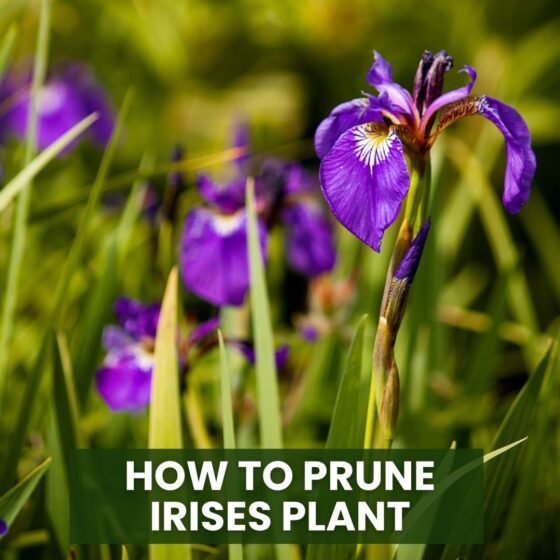
Irises are among the most stunning flowers you can grow in your garden. With their sword-like leaves and vibrant blooms, they bring elegance and color to every landscape.
But once the flowering season ends, pruning irises becomes essential to keep them healthy and blooming beautifully year after year. Knowing when and how to prune irises helps prevent diseases, maintain tidy garden beds, and encourage vigorous growth for the next season.
Let’s go step-by-step through the best pruning practices for irises—from seasonal timing to cutting techniques and winter care.
When to Prune Irises for Best Results
Timing is key to pruning irises correctly. The best time to prune irises is after they finish blooming—usually in late summer or early fall. Once the flowers fade and the foliage begins to yellow, it’s time to grab your pruning shears.
Cutting back too early can weaken the plant because it’s still storing energy for next year’s blooms. Waiting until the leaves begin to die back naturally ensures the plant has absorbed enough nutrients to regrow strong rhizomes.
How to Prune Irises After Blooming
Start pruning once your irises are done flowering. Use clean, sharp garden shears or scissors for neat cuts. Follow these steps for the best results:
-
Remove spent flower stalks – Cut the entire flower stalk down to the base once all blooms have faded. This prevents seed formation and redirects energy into the rhizome.
-
Trim damaged leaves – Snip off any brown or diseased leaves at the base. This reduces pest and fungal problems.
-
Shape the remaining foliage – Cut the healthy green leaves back to about 6–8 inches tall. Trim them in a neat fan shape for better airflow and sunlight exposure.
This fan-like cut not only looks tidy but also helps prevent rot by improving air circulation around the rhizomes.
Why Pruning Irises Is Important
Pruning is more than just a cosmetic task—it’s crucial for plant health. Regular trimming helps:
-
Prevent disease spread, especially fungal infections like leaf spot and soft rot.
-
Reduce overcrowding by removing old foliage that can smother rhizomes.
-
Encourage new growth for next season’s blooms.
-
Keep the garden clean, removing dead debris that attracts pests.
Skipping pruning can lead to weak plants and fewer flowers next year.
How to Prune Irises in Winter
In winter, irises enter dormancy, and this is when you should focus on cleanup and protection. If you live in a colder region, wait until the first frost has killed off most of the foliage, then cut leaves back to 3–4 inches. This helps prevent rot and discourages overwintering pests like iris borers.
After pruning, remove any dead leaves from the soil surface—don’t leave debris around the rhizomes, as it can trap moisture and cause fungal growth.
In areas with harsh winters, cover the rhizome area with a light mulch layer to insulate against freezing temperatures. Remove the mulch in early spring when growth starts again.
How to Prune Irises in Early Spring
If you missed pruning in fall, you can still tidy up your irises in early spring. Gently remove any remaining dead foliage and debris from around the plant.
Look for signs of soft rot or borer damage and cut away affected areas immediately. Early spring pruning helps the plant focus on producing healthy new shoots and flower stalks once the growing season starts.
How to Handle Iris Leaves During Pruning
The leaves of irises are essential during the growing season since they produce food through photosynthesis. However, after flowering, the older leaves begin to fade and can harbor disease.
Cut these yellow or brown leaves at the base without damaging the healthy green ones. Avoid pulling leaves by hand since that can tear tissue and leave open wounds that invite disease.
When trimming, try to leave a balanced fan of green leaves. This shape helps sunlight reach the rhizome and supports new leaf growth.
How to Prune Bearded vs. Beardless Irises
Different iris varieties require slightly different care.
-
Bearded Irises: These are the most common and should be pruned right after blooming. Cut flower stalks to the base and trim leaves to about one-third of their height in late summer.
-
Beardless Irises: These include Siberian or Japanese varieties and prefer more moisture. Wait until fall to prune and trim back the leaves to about 6 inches once they turn brown.
Be sure to keep garden shears sanitized between cuts to avoid spreading any disease between plants.
Dividing Irises While Pruning
Pruning time is also perfect for dividing your irises. Every 3 to 4 years, iris clumps can become overcrowded, which reduces flowering.
After pruning the leaves, dig up the rhizomes carefully and cut away any soft or rotted parts. Divide the healthy rhizomes, making sure each section has at least one fan of leaves.
Replant them about 12 inches apart in well-drained soil and water lightly.
Dividing while pruning rejuvenates the plant and encourages stronger blooms the following year.
How to Prevent Diseases While Pruning Irises
Irises are prone to leaf spot and rhizome rot, especially in humid conditions. To keep your plants healthy:
-
Always use sterilized shears when pruning.
-
Remove all cut leaves and debris from the garden.
-
Ensure proper spacing between plants to promote airflow.
-
Water at the base, not on the foliage, to reduce moisture buildup.
A preventive fungicide spray in late summer can also help protect against fungal infections.
How to Prune Irises Near Yew or Other Shrubs
If your irises are planted near yew shrubs or hedges, prune with extra care. Yews often create shade, and fallen needles can make the soil acidic.
Keep the area clean by removing fallen yew debris and ensure your irises get enough light. Trim irises a bit shorter in these spots to improve air circulation and reduce mold buildup. Regular pruning around shrubs helps your irises stay vibrant and pest-free.
Post-Pruning Care for Irises
Once pruning is complete, irises need gentle aftercare to stay strong and ready for the next season.
-
Water lightly for a few weeks after pruning—avoid overwatering to prevent rot.
-
Fertilize with a low-nitrogen mix in early spring to promote blooms.
-
Mulch lightly in fall to protect the rhizomes through winter.
-
Inspect regularly for pests like iris borers and remove them early.
Proper post-pruning care ensures your irises recover quickly and reward you with abundant flowers.
Common Mistakes to Avoid When Pruning Irises
Even experienced gardeners make errors when trimming irises. Avoid these common pitfalls:
-
Cutting too early—wait until blooms fade and leaves start to yellow.
-
Leaving debris—always clear away cut foliage to prevent disease.
-
Over-trimming green leaves—leave enough green to help rhizomes store energy.
-
Skipping division—crowded irises lead to fewer flowers.
Taking your time and pruning carefully ensures healthy plants and colorful results next year.
How to Encourage More Blooms After Pruning
After pruning and cleanup, give your irises the best chance for stunning blooms. Feed them with a balanced fertilizer (5-10-10) in early spring and again a month after flowering.
Make sure they receive at least 6 hours of sunlight daily, and water only when the soil is dry to the touch. Avoid heavy mulch layers that can suffocate rhizomes. With consistent pruning and care, you’ll enjoy vibrant, long-lasting blooms each season.
Final Thoughts
Learning how to prune irises is one of the most rewarding parts of garden maintenance. With the right timing, careful trimming, and seasonal attention, your irises will reward you with healthy growth and gorgeous flowers year after year.
Remember to prune after flowering, remove dead leaves before winter, and keep the area clean from debris. Once you master pruning, your iris garden will stay lush, disease-free, and full of color season after season.