How to Prune Petunias for More Blooms and a Fuller Plant
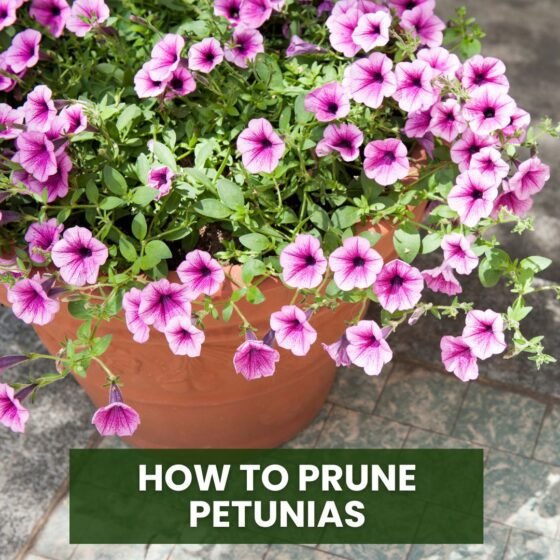
Petunias are among the most loved flowering plants in American gardens. Their vibrant colors and long blooming season make them a perfect choice for hanging baskets, containers, or flower beds.
But to keep them looking lush and blooming continuously, regular pruning is essential.
Learning how to prune petunias the right way helps them stay healthy, prevents legginess, and encourages more flowers throughout the season.
This guide will walk you through when and how to prune petunias effectively using simple, beginner-friendly methods.
When to Prune Petunias
The best time to prune petunias is mid to late summer, once they begin to look leggy or stop blooming as much.
Typically, pruning should start when the plant has grown about 6 inches tall and continues every few weeks. Regular trimming helps maintain their shape and ensures continuous flowering until fall.
Step 1: Identify Overgrown or Leggy Stems
Petunias tend to stretch out, especially in hot weather. Look for long, thin stems with fewer blooms—these are signs your plant needs pruning.
Leggy stems divert energy from new flower production, so trimming them helps redirect nutrients to new growth and buds.
Step 2: Use Clean, Sharp Scissors or Pruning Shears
Always use clean, sharp pruning scissors to make neat cuts and reduce the risk of plant disease. Dull or dirty tools can damage stems or spread bacteria, slowing down recovery. Sterilize your shears with rubbing alcohol before and after pruning.
Step 3: Pinch Back Early Growth for Bushier Plants
When petunias are young, pinching back the growing tips encourages side shoots to develop. Simply use your fingers to remove the top inch of the stem above a leaf node. This small step early in the growing season makes the plant bushier and fuller.
Step 4: Cut Back Long Stems by Half
For mature plants that look sparse or overgrown, cut back each long stem by about one-third to half its length.
Focus on trimming uneven or excessively long parts to restore balance. This heavy pruning stimulates new growth and encourages a flush of blooms within a few weeks.
Step 5: Remove Dead or Faded Flowers (Deadheading)
Deadheading is crucial for keeping petunias blooming. Regularly remove wilted or dried-up flowers by pinching them off just above the base.
This prevents the plant from using energy to produce seeds, pushing it to create more blooms instead.
Step 6: Trim Around the Base for Air Circulation
Thinning out crowded stems around the base helps improve airflow and reduces the risk of mold or mildew. Cut off a few inner stems that look weak or crossing each other. Good air circulation helps your petunias stay healthy and free from common fungal diseases.
Step 7: Shape the Plant for a Neater Look
After trimming, shape your petunias evenly for a compact, rounded appearance. Avoid cutting too deep near the center; instead, focus on the outer edges.
Shaping gives your hanging baskets or garden beds a fuller, more uniform look throughout the growing season.
Step 8: Water and Feed After Pruning
Once pruning is done, water your petunias thoroughly to help them recover faster. Apply a balanced liquid fertilizer every two weeks to encourage lush new growth.
Pruning followed by proper feeding ensures the plant stays vibrant and full of blooms for months.
Step 9: Keep Removing Spent Blooms Weekly
Even after major pruning, regular maintenance keeps petunias thriving. Make it a habit to remove spent blooms and trim uneven stems every week. This light upkeep prevents the plant from getting leggy again and maintains a steady flow of flowers.
Step 10: Revive Petunias That Look Worn Out
If your petunias start to look dull or tired midseason, perform a rejuvenation prune. Cut back the plant by about two-thirds, leaving a few leaves on each stem.
This might look drastic, but it triggers fresh, vigorous growth and often results in even more colorful blooms within two to three weeks.
Step 11: Prune After Rain or Watering
It’s easier to prune petunias after rain or watering, as moist stems are softer and less likely to break unevenly. Avoid pruning when the plant is bone dry or during intense heat, as this can stress the plant and slow recovery.
Step 12: Dispose of Trimmed Material Properly
Always remove and discard pruned stems, leaves, and flowers instead of leaving them in the soil. Dead plant material can attract pests or cause fungal growth. Keeping your garden area clean promotes a healthier growing environment.
Step 13: Use Pruning to Control Size and Spread
If you’re growing petunias in containers or hanging baskets, they can sometimes spill over too far. Pruning helps control their size and spread, keeping them tidy. Regular trimming prevents the plant from becoming too heavy and maintains a balanced shape that’s easier to manage.
Step 14: Avoid Over-Pruning
While pruning is essential, avoid removing more than half the plant at once. Over-pruning can shock the plant, slowing its recovery. Instead, do moderate trims regularly to maintain healthy growth and consistent blooming.
Step 15: Inspect for Pests During Pruning
While you prune, take a moment to inspect leaves and stems for pests like aphids or spider mites. Removing infested areas early can prevent larger outbreaks. Healthy, well-pruned plants are less likely to attract pests or diseases.
When to Avoid Pruning Petunias
Avoid pruning during extreme heat or drought, as stressed plants may not recover well. Also, skip pruning right before a cold front, since fresh cuts make plants more vulnerable to temperature stress. Wait for mild weather to ensure fast healing.
Extra Tip: Pinch Late Summer Blooms
Late in the season, give your petunias one last trim to extend their bloom time. Pinch off older stems to stimulate new buds before fall arrives. This simple trick can keep your garden colorful well into cooler months.
Final Thoughts
Knowing how to prune petunias correctly keeps your plants looking lush, vibrant, and full of flowers all season long.
Regular trimming, deadheading, and shaping help your petunias focus their energy on new blooms rather than seed production.
With consistent care, you can enjoy bright, cascading flowers from spring through fall. Pruning might seem small, but it’s the secret to keeping your petunias healthy, beautiful, and full of life year after year.