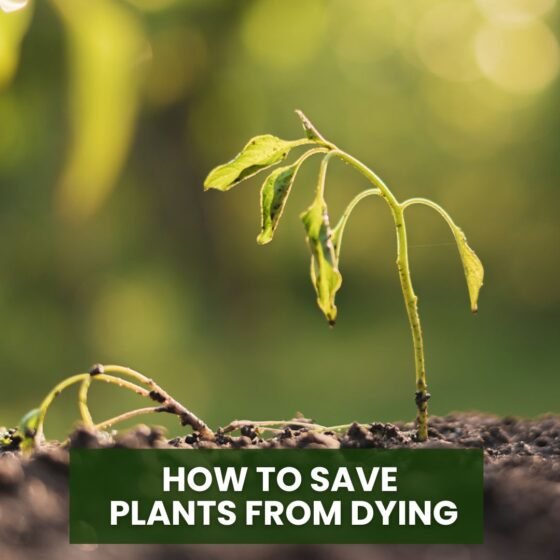
The Complete Guide on How to Save Plants From Dying
Healthy plants light up any home, but even the most experienced plant lovers face drooping leaves, yellow spots, wilted stems, or dry soil at some point. When a plant starts declining, many people panic and assume it’s too late.
But most of the time, your plant can bounce back if you act quickly and understand what it needs.
This guide explains how to save plants from dying using simple methods, clear signs, and practical fixes that work for beginners and experienced growers alike.
🌱 H3: Understanding Why Plants Decline Before Taking Action
Plants rarely decline for one single reason. They struggle when their basic needs—light, water, soil, or nutrients—are out of balance. When you identify the root issue instead of guessing, you can revive your plant faster and prevent long-term damage.
Observing the leaves, stems, soil condition, and growth pattern gives you the clues you need to diagnose the real problem.
🌱 H3: Check the Soil Moisture Before Making Any Changes
Overwatering and underwatering are the two biggest causes of dying plants. Use your finger to test the first two inches of soil. If it’s bone dry, the plant lacks water.
If it feels soggy, the plant is drowning. Adjusting watering based on soil condition—rather than routine—is the fastest way to help a stressed plant recover and prevent root rot or dehydration.
🌱 H3: Improve Watering Habits to Match the Plant’s Needs
Every plant has a different watering routine depending on its species and environment. Water slowly and evenly until it drains from the bottom of the pot. Make sure the pot has drainage holes to prevent water from sitting at the base. Consistent, balanced moisture supports root strength and helps the plant absorb nutrients properly without stressing the system.
🌱 H3: Move the Plant to Better Lighting for Faster Recovery
Lighting affects how plants photosynthesize and grow. Too much sun scorches leaves, while too little causes fading and stretching.
Observe the natural light in your home and match it to the plant’s needs—bright light for succulents, indirect light for foliage plants, low light for hardy tropicals. Adjusting the light location can revive leaf color, boost growth, and restore healthy structure.
🌱 H3: Feed the Plant with the Right Nutrients at the Right Time
Plants suffering from nutrient deficiency show pale leaves, weak stems, or slow growth. Use a balanced, slow-release fertilizer to support recovery without overwhelming the roots.
Avoid feeding a severely stressed plant immediately; water it first and let it regain stability. When nutrients are applied correctly, they rebuild strength and encourage new, vibrant growth.
🌱 H3: Repot the Plant If the Roots Are Crowded or Rotting
Healthy roots determine the health of the entire plant. Gently remove the plant from its pot and inspect the roots.
If they’re circling tightly, it’s root-bound and needs a bigger pot. If the roots look brown and mushy, trim off the damaged parts and repot in fresh, well-draining soil. Repotting gives plants a fresh environment and improved access to air and water.
🌱 H3: Trim Damaged Leaves and Stems to Redirect Energy
Dead or dying leaves drain energy from the plant. Use clean scissors to cut off yellow, brown, or wilted sections so the plant can focus on healthy growth.
Removing damaged parts reduces stress on the plant, improves airflow, and prevents pests from hiding in weak areas. Fresh growth appears faster when the plant isn’t spreading energy across failing tissue.
🌱 H3: Increase Humidity to Help Tropical Plants Recover
Many houseplants, especially tropical varieties, suffer in dry indoor air. Boost humidity using a pebble tray, room humidifier, or grouping plants together.
Higher humidity reduces leaf browning, speeds up recovery, and supports new foliage production. This approach works especially well for ferns, calatheas, and other moisture-loving species that decline without atmospheric support.
🌱 H3: Remove Pests Quickly Before They Spread
Dying plants often attract pests like spider mites, aphids, or mealybugs. Inspect leaves closely for sticky spots, fine webs, white cotton-like patches, or tiny insects.
Treat pests using neem oil, insecticidal soap, or rubbing alcohol on a cotton swab. Consistent treatment protects the plant from further damage and helps new growth appear without interruption.
🌱 H3: Adjust Temperature Conditions to Prevent Shock
Temperature stress weakens plants faster than many people realize. Cold drafts, heat vents, or sudden weather changes cause drooping, yellowing, and leaf drop.
Keep plants away from windows during winter nights and avoid placing them close to heaters. Stable temperatures support steady recovery and prevent additional shock to weakened roots and leaves.
🌱 H3: Refresh the Soil to Boost Airflow and Root Health
Old or compacted soil blocks air pockets and slows water movement. This suffocates the roots and can cause diseases.
Replace the top few inches of soil or repot the plant completely if the dirt feels hard and heavy. Fresh soil brings better aeration, improved drainage, and renewed nutrients that help revive struggling plants more quickly.
🌱 H3: Give the Plant Time to Recover Without Overdoing It
One of the biggest mistakes is trying too many fixes at once. After adjusting water, light, or soil, give your plant time to respond. Constant changes only add stress.
Plants rebuild from the inside out, and visible improvements can take days or weeks. Patience combined with the right care leads to long-term recovery and stronger growth.
🌱 H3: Use Propagation to Save Parts of a Severely Dying Plant
If the mother plant cannot be revived, you can often save healthy sections. Take cuttings from green stems or healthy leaves and place them in water or soil to root.
Propagation allows you to preserve the plant even when the original base is too damaged. This gives you a fresh start and a new, healthy plant from the remains of the old one.
🌱 H3: Monitor the Plant Regularly to Prevent Future Decline
Once the plant starts recovering, observe it closely for any signs of stress. Check soil moisture twice a week, inspect for pests, and adjust watering as seasons change.
Regular monitoring lets you catch new issues early before they become serious. Consistent care ensures your plant stays alive, strong, and thriving year-round.
Final Thoughts
Saving a dying plant may feel overwhelming, but most plants bounce back when you understand what they’re asking for.
By improving water habits, adjusting light levels, refreshing soil, and giving the plant time to recover, you create the perfect environment for healthy growth.
With these practical steps, your struggling plant has every chance to revive, flourish, and bring beauty to your home once again.