Natural Ways to Protect Your Plants From Rats
Keeping your garden thriving can feel impossible when rats show up and start chewing through roots, stems, fruits, and leaves. These pests are fast, sneaky, and persistent.
But the good news is that you can protect your plants without harsh chemicals. This guide walks you through easy, effective, and home-friendly methods to save your plants from rats using simple tools and smart garden habits. Each strategy is explained in clear, practical steps so you can start protecting your garden today.
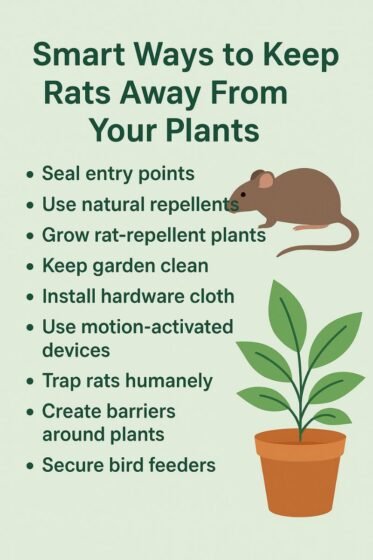
Why Rats Are Attacking Your Plants
Rats come into gardens because they’re searching for food, shelter, and water. They may eat vegetables, grains, fruit, and even plant roots.
When your yard has dense shrubs, open trash, compost piles, or fallen produce, rats see it as an easy home. Understanding what attracts them is the first step toward building a rat-proof garden.
Recognizing Rat Damage in Your Garden
Before you start controlling rats, you need to confirm that they’re the problem. Rat damage looks different from insects or deer.
Rats leave chewed stems, missing leaves, shallow burrows, bite marks on fruits, and sometimes small droppings near plants. If plants are disappearing overnight, rats are likely the cause.
Seal Every Possible Entry Point Around Your Garden
Rats squeeze through extremely small gaps, so sealing access points around fences, sheds, and patios helps block their path. Walk around your garden and check for cracks, holes, and loose boards.
Patch gaps using metal mesh, hardware cloth, or steel wool because rats cannot chew through these materials. The more you close off, the harder it becomes for them to reach your plants.
Use Plant-Safe Natural Repellents That Rats Hate
Natural repellents keep rats away without harming your plants or soil. Strong scents like peppermint, eucalyptus, garlic, and clove oil are unpleasant to rats.
Mix essential oil with water and spray it around planters, beds, and pathways. You can also soak cotton balls in the oils and tuck them near areas where rats hide. Refresh these scents every few days for consistent protection.
Grow Rat-Repelling Plants Around the Garden Border
Some plants naturally produce scents that rodents dislike. Herbs like lavender, peppermint, rosemary, basil, and marigolds make your garden less appealing.
Plant them around the edges of vegetable beds or near entry points. These plants act like a natural fence while still adding beauty and fragrance to your yard.
Keep Your Garden Clean to Remove Rat Attractants
Rats love clutter because it gives them cover. Clean up fallen fruit, remove wood piles, clear weeds, and tidy leaves regularly. Place lids securely on trash cans and keep compost covered.
When the environment becomes clean and open, rats feel exposed and avoid the area. A well-maintained yard is one of the strongest defenses you can use.
Install Hardware Cloth Around Raised Beds and Soil
Hardware cloth works like armor for your plants. Bury a layer of it a few inches deep to stop rats from tunneling into beds.
You can also wrap it around the sides of raised beds or planter boxes. This creates a physical barrier that rats cannot chew through. It’s one of the most reliable ways to protect roots and vegetables underground.
Use Motion-Activated Devices to Keep Rats Away
Motion-activated repellents startle rats and make them avoid your garden. Devices like ultrasonic emitters, motion-activated sprinklers, and vibrating stakes create noise or movement when rats pass by.
These tools interrupt their path and discourage them from returning. They’re also safe for pets and plants when used correctly.
Trap Rats Humanely Before They Multiply
When rats already live in your garden, humane traps help reduce their numbers. Choose safe, non-poison options like live-catch traps.
Place them near walls, burrow openings, or under dense shrubs. Add bait like peanut butter or nuts to attract them. Once caught, release the rat far away from your home. This stops long-term damage without harming the ecosystem.
Create a Protective Barrier Around Individual Plants
Sometimes your plants need extra defense. Protective cages made from wire mesh or hardware cloth keep rats from chewing stems and leaves.
These cages fit around small plants, herbs, and young vegetables. They allow sunlight and water in while blocking rodents completely. This method works great for seedlings and plants that rats target the most.
H3: Secure Your Bird Feeders to Prevent Rat Visitors
Bird food is one of the biggest rat attractants. Loose seeds, spilled grain, and sweet nectar draw rats quickly.
Choose rat-proof feeders, use trays to catch fallen seeds, and clean feeding areas often. Place feeders high enough so rats cannot climb up. When food sources disappear, rats stop visiting your garden.
Improve Outdoor Lighting to Discourage Night Activity
Rats prefer dark, quiet areas. Installing outdoor lighting near your garden makes it less appealing. Solar lights or LED path lights brighten the space without raising your electricity bill.
Consistent lighting helps prevent nighttime feeding and nesting. When rats feel exposed, they move to safer, darker locations.
Water Your Plants Correctly to Avoid Attracting Rats
Rats look for water as much as they look for food. Overwatering creates puddles that give them exactly what they need. Water early in the morning so soil dries by night.
Fix leaking hoses and dripping taps quickly. Managing water helps you keep your plants healthy while reducing rat activity.
Strengthen Soil and Roots to Survive Rat Damage
Healthy plants survive better even if rats manage to cause minimal harm. Strengthen soil with compost, mulch, and nutrients to support strong roots and vigorous growth.
Tough, healthy plants bounce back faster from chewing, making them less vulnerable overall. This approach protects your garden long-term.
Store Pet Food, Seeds, and Tools Securely
Rats can smell food from far away. Store pet food, bird seed, and fertilizers in airtight containers. Keep them off the ground and away from the garden area.
Rats are less likely to invade a space when no food rewards are available. Simple storage changes dramatically reduce rodent activity.
Use Fencing That Rats Cannot Chew Through
If rats attack your garden often, installing rat-proof fencing helps. Choose mesh fencing with small holes so they cannot squeeze through.
Bury the fence a few inches deep to block tunneling. Good fencing protects vegetables, herbs, and fruit patches effectively. This gives you peace of mind and long-term protection.
Final Thoughts
Saving your plants from rats takes a mix of smart habits, natural repellents, and physical barriers. When you combine these methods, your garden becomes a place where plants thrive and pests stay away.
With the right strategies, you can keep your space safe, healthy, and full of strong, beautiful growth without relying on harsh chemicals.