
18 Japanese Tiny House Designs for Minimalist Living
Japanese tiny houses are a perfect example of how minimalism meets smart design.
With space-saving techniques, natural materials, and serene aesthetics, these homes make every square foot count.
I’ve found that a well-designed Japanese tiny house can feel open, calm, and highly functional despite its small footprint.
Here are 18 inspiring Japanese tiny house designs, each described in detail so you can easily visualize or generate stunning imagery for your ideas.
1. Tatami Room-Centered Tiny House
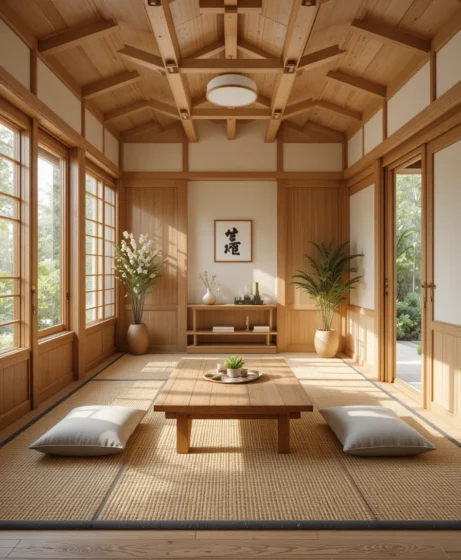
A tatami room serves as a flexible space for sleeping, dining, or relaxation. I imagine natural straw mats and low wooden furniture creating a cozy and authentic Japanese atmosphere.
2. Sliding Shoji Door Partition
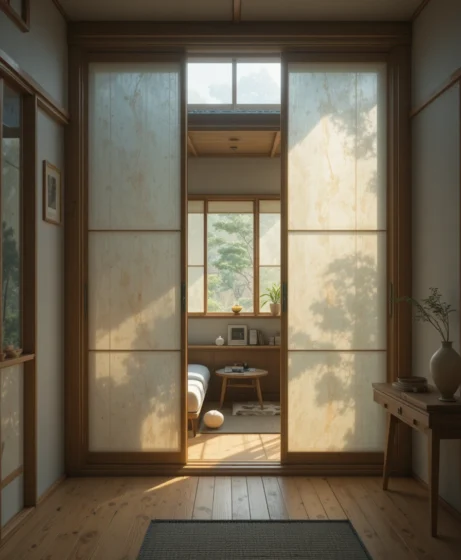
Shoji doors separate areas without closing off light or space. I like how translucent panels soften sunlight while maintaining privacy. They create a calm, airy environment in a compact house.
3. Loft Bed with Open Living Space
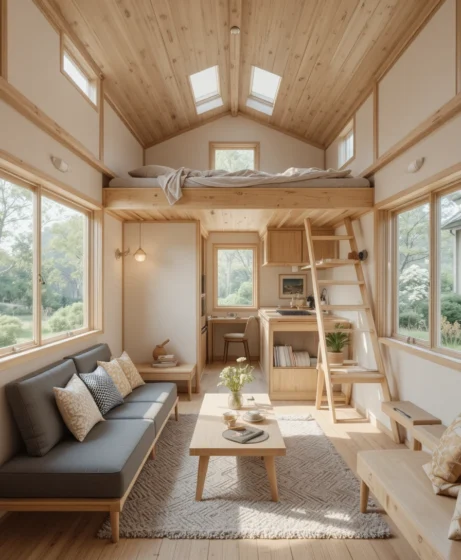
A lofted bed frees up the floor below for a living area. I picture minimal furnishings with a low table and cushions. This layout maximizes vertical space without feeling cramped.
4. Minimalist Open-Plan Layout
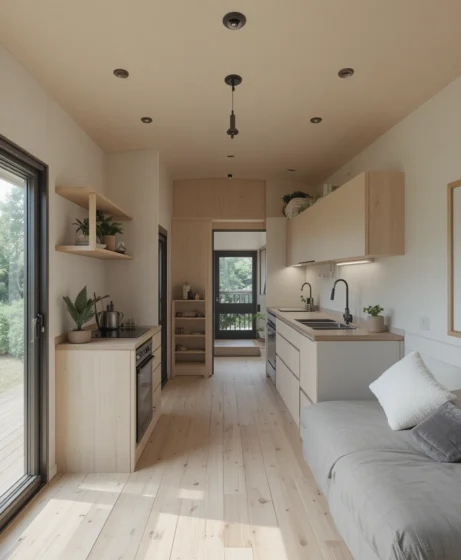
An open floor plan integrates kitchen, living, and sleeping areas. I imagine light wood floors and simple lines keeping the space uncluttered. It enhances airflow and visual openness.
5. Compact Kitchen with Smart Storage
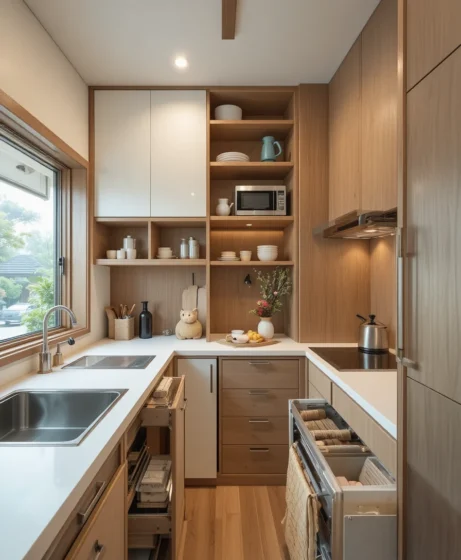
A tiny Japanese kitchen features pull-out drawers and hidden shelves. I picture clean countertops and efficient appliances. Every inch is designed for function without sacrificing style.
6. Natural Light-Filled Tiny House
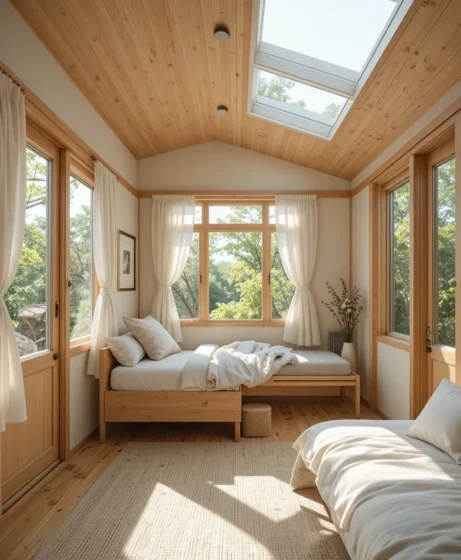
Large windows and skylights bring natural light into the home. I imagine soft wooden frames and simple curtains. Light creates an airy feeling, making the house seem bigger.
7. Small Zen Garden Courtyard
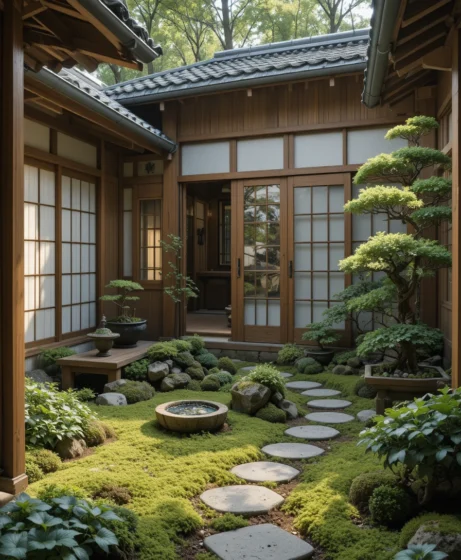
A tiny courtyard with rocks, plants, and a water feature adds tranquility. I like how the garden serves as an extension of indoor space. It creates a calm outdoor retreat even in limited areas.
8. Multi-Functional Furniture Design
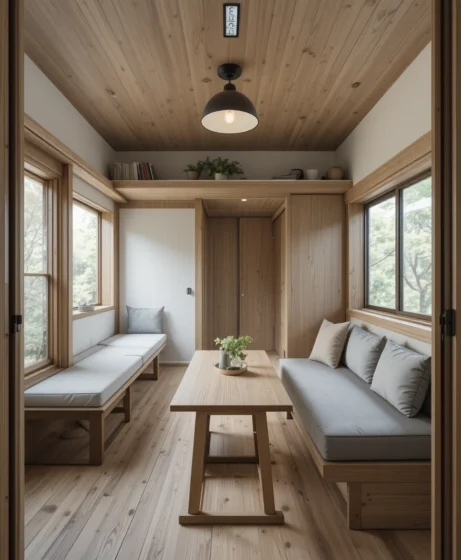
Furniture like foldable tables, sofa beds, and storage benches makes every piece multi-purpose. I imagine sleek, minimalist designs blending seamlessly with the interior. It maximizes usability.
9. Bathroom with Space-Saving Fixtures
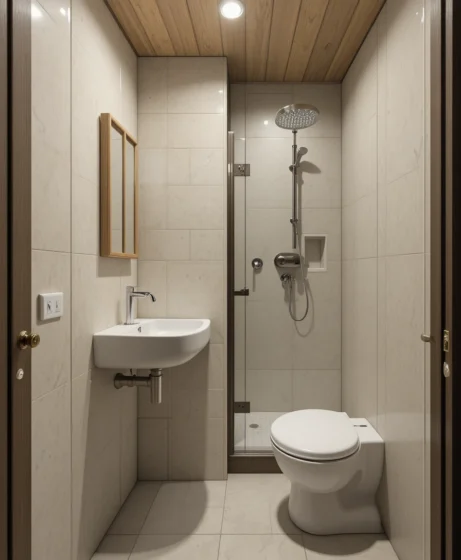
Compact Japanese bathrooms use corner showers and wall-mounted sinks. I picture clean lines and light tiles for a simple yet elegant look. It feels functional and comfortable.
10. Tatami Loft with Reading Nook
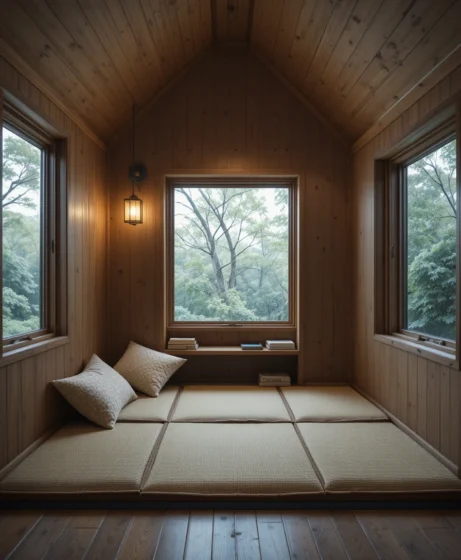
A lofted tatami space doubles as a bed and reading area. I imagine floor cushions and a small bookshelf nearby. It provides comfort without occupying extra floor space.
11. Wooden Exterior with Natural Tones
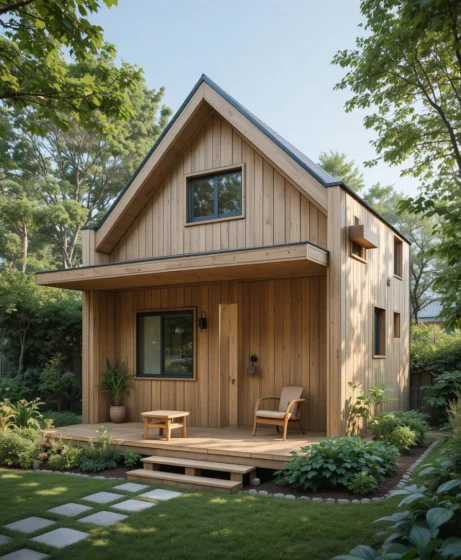
Wooden siding and neutral colors create warmth and harmony with nature. I picture simple façades with minimal ornamentation. It blends the house into its environment beautifully.
12. Balcony with Mini Garden
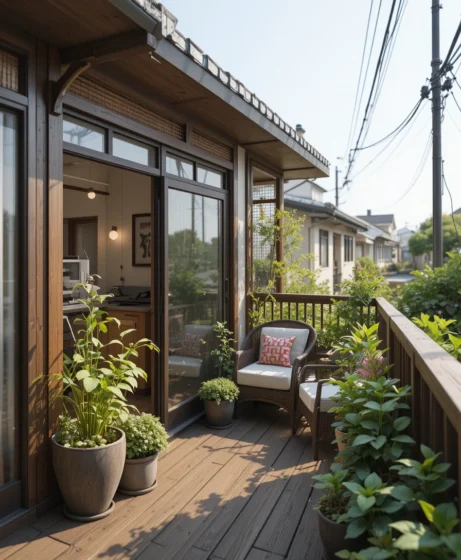
A small balcony with plants or herbs adds a green touch. I like how it extends living space vertically. It also creates a relaxing outdoor corner for a tiny house.
13. Sliding Glass Doors for Indoor-Outdoor Flow
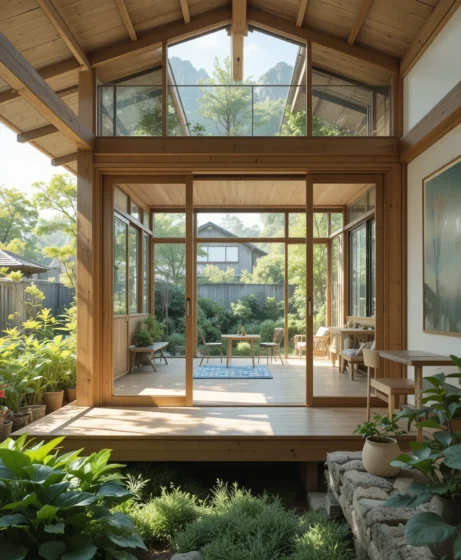
Sliding glass doors connect the interior to a garden or courtyard. I imagine open views and easy access. This design enhances spaciousness and natural ventilation.
14. Compact Dining Area with Low Table
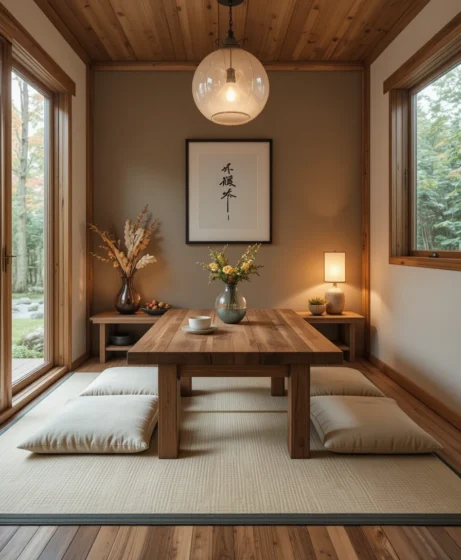
A low wooden table with floor cushions creates an authentic Japanese dining setup. I picture minimal décor and natural materials. It makes mealtime cozy and space-efficient.
15. Loft with Hidden Storage
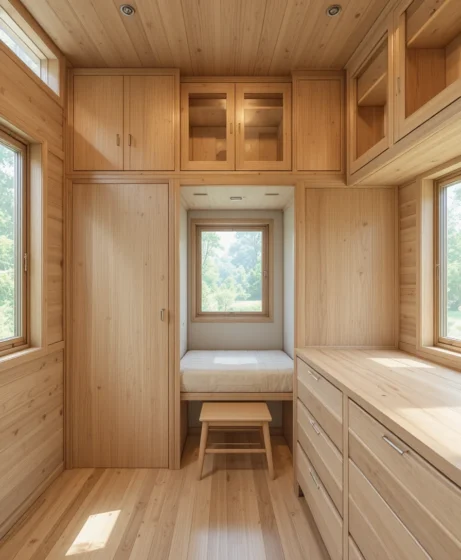
Using loft space for hidden storage keeps the main area clutter-free. I imagine built-in cabinets and pull-out drawers. It keeps essentials organized while maintaining minimalism.
16. Japanese-Inspired Exterior Lighting
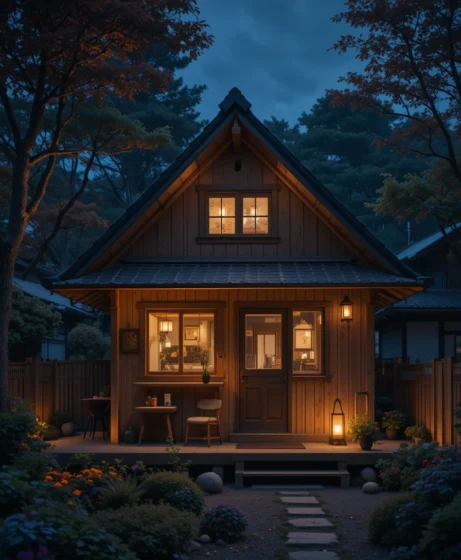
Soft, warm lighting with paper lanterns or recessed LED strips highlights the home’s simplicity. I picture the glow accentuating wooden textures at night. It creates a serene evening ambiance.
17. Small Study or Work Nook
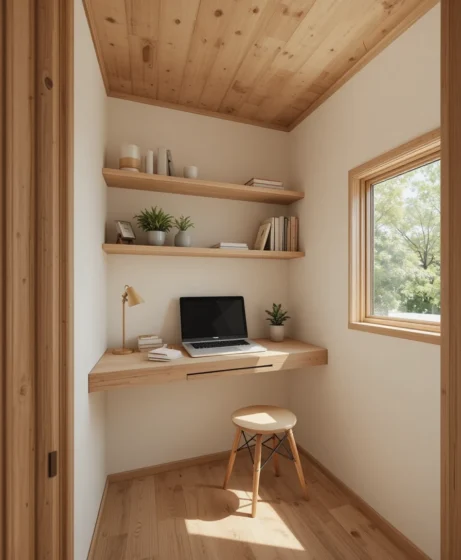
A tiny desk or wall-mounted workspace fits perfectly in corners. I imagine clean lines, shelves above, and natural light from a nearby window. It balances productivity with minimalism.
18. Compact Tiny House with Roof Deck
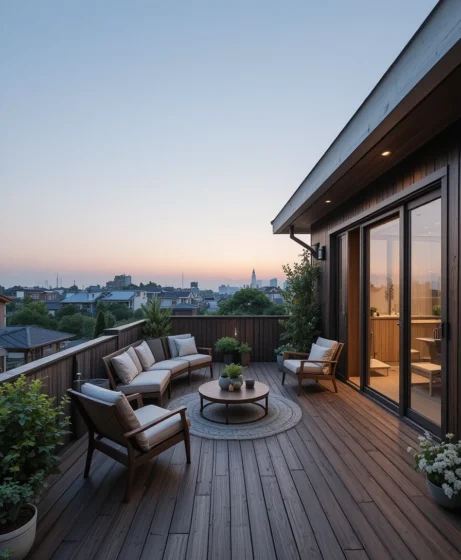
A small roof deck expands usable space. I like adding seating and potted plants. It provides an outdoor retreat without increasing the house footprint.
Why Japanese Tiny House Designs Are Popular
I’ve seen how Japanese tiny house designs combine beauty, efficiency, and simplicity. Their minimalist approach, natural materials, and multifunctional layouts make them highly adaptable and calming.
Benefits of Japanese Tiny House Design
-
Maximizes limited space with smart layouts
-
Enhances simplicity and minimalism
-
Uses natural light and materials to create warmth
-
Encourages multifunctional living
-
Blends indoor and outdoor spaces seamlessly
Tips for Designing a Japanese Tiny House
-
Focus on multifunctional furniture
-
Use sliding partitions to save space
-
Incorporate natural materials like wood and bamboo
-
Maximize light and ventilation
-
Keep décor minimal and clutter-free
Final Thoughts
Exploring these Japanese tiny house designs shows how small spaces can feel expansive, serene, and highly functional.
Each idea provides unique solutions for maximizing space while maintaining calm aesthetics.
With thoughtful planning, clever furniture, and natural materials, even a tiny house can become a harmonious, comfortable, and beautiful home.