How to Prune Areca Palm: A Simple Guide to Keep Your Palm Lush and Thriving
Maintaining a vibrant Areca palm isn’t just about sunlight and watering—it’s also about proper pruning.
Pruning helps your palm look fresh, promotes new growth, and keeps pests away. In this detailed guide, you’ll learn how to prune Areca palm safely, when to do it, and the best methods to ensure it thrives beautifully in your home or garden.
Understanding Your Areca Palm
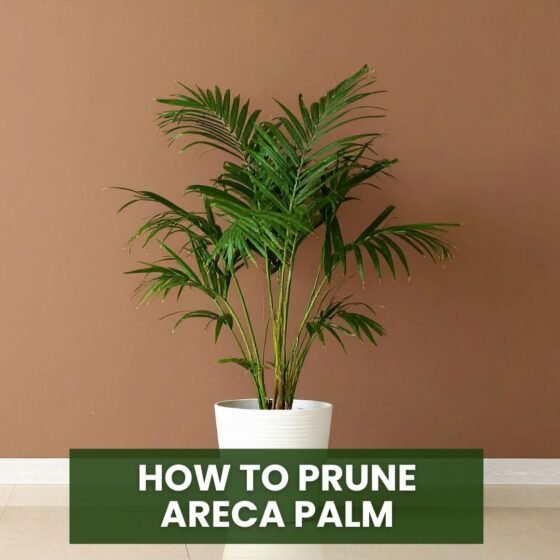
The Areca palm (Dypsis lutescens), also called the butterfly palm, is a tropical favorite in US homes for its feathery fronds and air-purifying abilities.
Knowing how it grows will help you prune it correctly. This palm grows in clusters, producing multiple stems from the base. Over time, older fronds turn brown or yellow, signaling it’s time for trimming.
Why Pruning Is Important
Pruning an Areca palm does more than improve its looks. It removes dead, yellow, or diseased fronds, allowing the plant to focus energy on healthy growth.
It also enhances airflow and reduces the risk of fungal infections or pest infestations. Regular trimming helps your palm stay full and lush rather than thin or straggly.
When to Prune an Areca Palm
Timing plays a big role in pruning success. The best time to prune Areca palms is in late spring or early summer, when the plant is actively growing.
Avoid heavy pruning during winter when the palm is semi-dormant. Occasional removal of dead fronds throughout the year is fine, but major trimming should wait for the warm months.
How Often Should You Prune
Prune your Areca palm every few months or as needed when you notice brown tips or drooping fronds. Avoid cutting too frequently—over-pruning can stress the plant and stunt growth. Only remove what’s necessary to keep your palm looking neat and healthy.
Tools You’ll Need
Using the right tools ensures a clean, safe pruning process. Prepare:
-
Sharp pruning shears or scissors for small fronds
-
Garden loppers for thicker stems
-
Rubbing alcohol to disinfect tools before and after use
-
Gloves to protect your hands from sharp fronds
Step-by-Step Guide: How to Prune Areca Palm
Step 1: Inspect the Palm Carefully
Look for fronds that are brown, yellow, or wilted. Identify which parts need trimming without cutting healthy green ones.
Step 2: Sanitize Your Tools
Before you begin, clean your tools with rubbing alcohol to prevent spreading diseases between cuts.
Step 3: Cut Dead or Yellow Fronds at the Base
Using sharp shears, snip off the damaged fronds near the main stem, but avoid cutting into the stem itself.
Step 4: Trim Brown Tips Sparingly
If only the tips of fronds are brown, trim just the edges instead of removing the whole leaf. This keeps the palm looking natural while preventing over-pruning.
Step 5: Remove Old Stems
If you see old stems that no longer produce new fronds, cut them off close to the base to encourage fresh shoots.
Step 6: Clean Up Fallen Debris
After pruning, remove all fallen leaves and debris from around the pot or soil to prevent pests and fungus.
Tips to Avoid Over-Pruning
-
Never remove more than 20% of the fronds at a time.
-
Always keep healthy green leaves intact—they help the plant photosynthesize.
-
Don’t cut new growth emerging from the base; that’s the palm’s way of regenerating.
-
Prune gradually if the plant is overgrown, allowing it time to adjust.
Common Mistakes to Avoid
Many plant owners accidentally harm their Areca palms by cutting too deep or pruning too often. Here are key mistakes to avoid:
-
Cutting green fronds unnecessarily, which reduces growth.
-
Using dull tools, leading to torn stems and infections.
-
Leaving debris in the pot, attracting pests and mold.
-
Pruning during cold months, which can shock the plant.
How to Care After Pruning
After pruning, give your Areca palm the right care to recover quickly:
-
Water moderately—the soil should stay moist but not soggy.
-
Place in bright, indirect light for faster regeneration.
-
Wipe the leaves gently with a damp cloth to remove dust.
-
Feed with a balanced liquid fertilizer once every 4–6 weeks during the growing season.
Signs You Need to Prune Again
Keep an eye out for these signs that your Areca palm needs another trim:
-
Browning or yellowing lower fronds
-
Dense clusters of old stems blocking new shoots
-
Uneven or droopy appearance
-
Dusty or dry fronds despite watering
Pruning at these times will keep your palm looking lively and vibrant year-round.
How to Encourage Bushier Growth
If you want your Areca palm to look fuller, light pruning helps stimulate new shoots. Gently cut off old or small fronds near the bottom to direct growth toward the center. Providing bright light and consistent humidity also promotes dense, healthy foliage.
Safety Tips While Pruning
Even though Areca palms are non-toxic, they can have sharp edges. Always wear gardening gloves and protective eyewear if needed. If pruning large outdoor palms, make sure the area is clear of children or pets.
Eco-Friendly Disposal of Palm Waste
Don’t toss trimmed fronds into regular trash. Compost them instead—Areca palm leaves break down easily and make a great addition to garden compost. This reduces waste and enriches your soil naturally.
Pruning for Indoor vs. Outdoor Areca Palms
Indoor Areca Palms: Prune lightly and focus on aesthetics. Keep the palm compact and remove only discolored or dusty fronds.
Outdoor Areca Palms: Trim more regularly, as outdoor palms are exposed to weather and insects. Remove damaged fronds that attract pests like spider mites or mealybugs.
Reviving an Overgrown Areca Palm
If your Areca palm has grown wild, don’t panic. Start with gradual trimming over a few weeks instead of one heavy prune.
Remove the oldest, outermost fronds first, and let new shoots fill in before continuing. With consistent care, the palm will regain its shape and health.
Final Thoughts
Learning how to prune Areca palm is simple when you understand what your plant needs. Regular pruning keeps your palm healthy, enhances airflow, and maintains its tropical beauty indoors or out.
By cutting carefully and giving your Areca palm the right care afterward, you’ll enjoy lush, green fronds that brighten your space all year long.