
The Complete Guide on How to Prune Lamb’s Ear for a Healthier, Lusher Garden
Lamb’s ear (Stachys byzantina) is one of those plants that instantly softens any garden space with its silvery, velvety leaves.
This drought-tolerant perennial doesn’t just look stunning—it’s also incredibly easy to care for. But to keep it looking its best, knowing how to prune lamb’s ear is essential.
Proper pruning prevents the plant from becoming leggy, encourages fuller growth, and stops it from overtaking your garden beds.
In this guide, you’ll learn exactly when and how to prune lamb’s ear, the best tools to use, and how to handle common pruning mistakes—all in clear, beginner-friendly language.
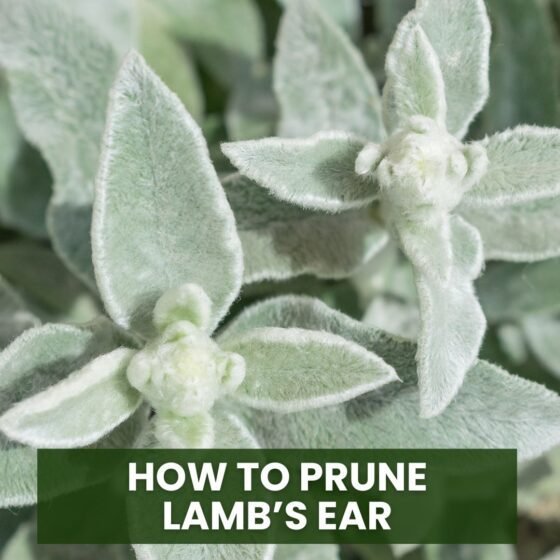
Why Pruning Lamb’s Ear Is Important
Lamb’s ear spreads quickly, forming dense mats that can take over nearby plants if not controlled. Regular pruning helps manage its growth, prevents disease, and keeps it looking neat and attractive.
Removing old, dying leaves and spent flower stalks also improves air circulation and reduces the chance of fungal problems, especially in humid climates.
When to Prune Lamb’s Ear
Timing is everything when it comes to pruning lamb’s ear. The best time depends on what type of pruning you’re doing—maintenance, shaping, or rejuvenation.
Spring:
In early spring, prune away any winter-damaged or dead leaves. This helps new shoots push through cleanly and gives the plant a fresh start for the growing season.
Summer:
After the plant blooms, cut back spent flower stalks. This keeps the plant tidy and redirects energy into leaf growth rather than seed production.
Fall:
In late fall, remove dying or brown foliage to prevent rot during winter. Avoid heavy pruning right before freezing weather; light trimming is best.
Tools You’ll Need for Pruning
Before you start, make sure you have the right tools ready:
-
Sharp garden shears or scissors – for cutting stems cleanly.
-
Gloves – lamb’s ear leaves are soft but can irritate sensitive skin.
-
Garden rake or hand broom – to clean up trimmed debris.
Always clean your tools before and after pruning to prevent spreading disease.
How to Prune Lamb’s Ear Step-by-Step
Here’s a simple and effective step-by-step guide to prune your lamb’s ear for maximum health and growth.
Step 1: Remove Damaged and Dead Leaves
Start by inspecting the plant closely. Using clean shears, trim off any yellow, brown, or wilted leaves near the base. Removing these keeps the plant’s energy focused on healthy growth.
Step 2: Cut Back Flower Stalks After Blooming
Once the blooms begin to fade, cut the flower stalks all the way to the base. Leaving old stalks can make the plant look messy and encourage self-seeding, which spreads it too aggressively.
Step 3: Thin Out Overcrowded Areas
Lamb’s ear spreads by runners, forming thick mats. If the center starts to thin or rot, divide the clumps and replant the healthiest sections. Thinning out crowded areas improves airflow and prevents fungal problems.
Step 4: Shape for Aesthetic Appeal
Use your shears to gently shape the plant’s edges for a clean, rounded appearance. Shaping keeps your garden organized and prevents lamb’s ear from spilling into pathways or nearby plants.
Step 5: Clean Up Debris
After pruning, always remove the trimmed leaves and stems. Leaving debris can trap moisture and lead to rot, especially during humid months.
Best Way to Maintain Lamb’s Ear After Pruning
After pruning, lamb’s ear benefits from a little post-care attention. Water lightly to help new growth settle in but avoid soaking the soil, as lamb’s ear dislikes wet conditions. Apply a thin layer of mulch or gravel around the plant’s base to keep weeds away and soil well-drained. If your area experiences high humidity, spacing out the plants ensures better air circulation and helps prevent fungal diseases.
Common Mistakes to Avoid While Pruning
Even though pruning lamb’s ear is simple, some common errors can affect its growth:
-
Overwatering after pruning: Lamb’s ear prefers dry soil; too much moisture can cause root rot.
-
Pruning too close to winter: Heavy cuts in late fall can expose the plant to frost damage.
-
Leaving flower stalks too long: Spent blooms left on the plant may cause it to spread uncontrollably.
-
Using dull tools: This can tear the leaves instead of cutting cleanly, increasing the risk of infection.
How Often Should You Prune Lamb’s Ear?
Lamb’s ear doesn’t require constant trimming, but light pruning every few weeks during growing season helps it stay compact and attractive. A thorough pruning twice a year—once in spring and once in late summer or early fall—is usually enough for most gardens.
Tips for Encouraging Bushier Growth
If you want your lamb’s ear to look fuller and lusher, try these simple tips:
-
Pinch new growth tips regularly to encourage branching.
-
Avoid excessive fertilizing, as too much nitrogen can make the leaves floppy.
-
Keep plants in full sun for strong, compact growth.
-
Trim lightly after flowering to stimulate new leaf production.
How to Handle Overgrown Lamb’s Ear
If your lamb’s ear patch becomes too large or woody in the center, rejuvenation pruning is the best option. Dig up the plant, divide the root clumps, and replant only the outer, healthy sections. Compost or discard the old, woody centers. This process refreshes your planting bed and ensures consistent, healthy regrowth.
Preventing Fungal Issues After Pruning
Because lamb’s ear holds moisture in its fuzzy leaves, it can be prone to mildew and rot. To avoid this:
-
Water only at the base of the plant.
-
Avoid overhead watering.
-
Ensure plenty of space between plants.
-
Remove any damp or decaying foliage promptly.
Regular pruning and proper spacing will go a long way in keeping your lamb’s ear healthy and disease-free.
FAQs About Pruning Lamb’s Ear
1. Can I cut lamb’s ear all the way down to the ground?
Yes, you can do a hard prune in early spring if the plant looks unhealthy. It will regrow quickly from the roots once temperatures warm up.
2. Should I deadhead lamb’s ear flowers?
Absolutely. Deadheading keeps the plant tidy and prevents it from self-seeding all over your garden.
3. Can I use pruned lamb’s ear leaves for propagation?
No, lamb’s ear doesn’t root easily from leaf cuttings. Instead, divide the clumps to propagate.
4. How do I stop lamb’s ear from spreading too much?
Trim the runners regularly and remove any unwanted shoots before they root.
5. Why are my lamb’s ear leaves turning brown after pruning?
This can happen due to overwatering, poor drainage, or high humidity. Make sure the soil stays dry between waterings and increase airflow around the plant.
Final Thoughts
Pruning lamb’s ear is an easy yet powerful way to keep this fuzzy favorite looking its best all year long.
With regular trimming, proper timing, and light maintenance, you’ll enjoy lush silver foliage that brightens up your garden beds.
A well-pruned lamb’s ear isn’t just healthy—it’s a statement piece in any landscape. Keep your shears sharp, stay consistent, and your lamb’s ear will reward you with endless charm and texture season after season.