15 Petunia Pruning Tips for Nonstop Summer Blooms
In my years of working with summer container plants, petunias are one of those flowers people either love or slowly stop trusting by August. The blooms fade, the stems stretch out past the edge of the pot, and it starts looking like the plant has given up. Most of the time it has not. It just needs a proper prune.
This guide covers the full petunia pruning routine, from early pinching to the bigger rejuvenation cut that brings a tired plant back to life.
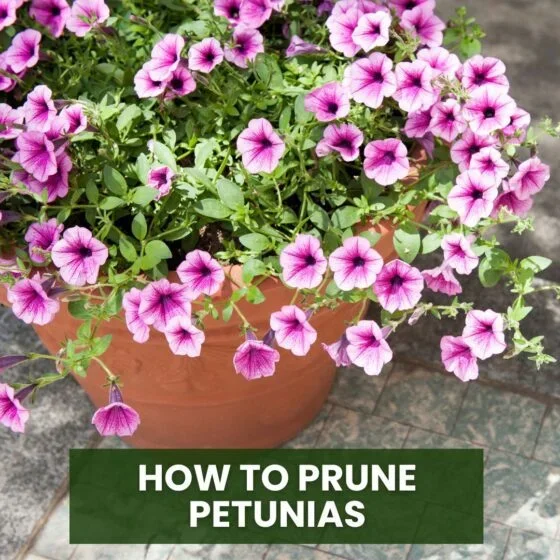
1. When to Start Pruning Petunias
Petunias start needing attention once they hit about six inches tall, and the main pruning window runs mid to late summer, right as the plant begins to look leggy or slow down on blooms. From there, regular trims every few weeks keep the shape and flowering going strong.
2. Spot Overgrown or Leggy Stems First
Hot weather pushes petunias to stretch out fast, and long thin stems with fewer blooms are the clearest sign pruning is overdue. Those leggy sections are quietly pulling energy away from new flower production, which is exactly why trimming them redirects nutrients back toward fresh buds.
3. Use Clean, Sharp Tools
Clean, sharp pruning scissors make neat cuts that heal fast and lower the risk of disease spreading through the plant. Dull or dirty blades tend to crush stems instead of cutting them cleanly, which slows recovery considerably. Wipe blades down with rubbing alcohol before and after each session.
4. Pinch Back Early Growth for a Bushier Plant
When petunias are still young, pinching back the growing tips with your fingers encourages side shoots to develop instead of one single stem racing upward. Simply remove the top inch of growth just above a leaf node. This small early habit pays off with a noticeably fuller plant later.
5. Cut Back Long Stems by Half
Mature plants that look sparse or overgrown need a heavier hand. Cut each long stem back by about a third to half its length, focusing on the uneven or excessively long sections first. This heavier trim stimulates a genuine flush of new blooms within a few weeks.
6. Deadhead Spent Blooms Regularly
Deadheading might be the single most important habit on this list. Pinch off wilted or dried flowers just above the base as you spot them, which stops the plant from spending energy on seed production and pushes it toward making new blooms instead.
7. Thin the Base for Better Air Circulation
Crowded stems around the base trap moisture and invite mold or mildew more than most people expect. Cutting off a few weak or crossing inner stems opens the plant up to better airflow, which keeps it healthier through humid stretches of summer. If you’re planning garden beds alongside your containers, our perennial garden layout ideas follow this same principle of thinning for airflow rather than crowding plants together.
8. Shape the Plant for a Neater Look
Once the major trimming is done, shape the plant evenly for a compact, rounded look. Focus on the outer edges rather than cutting too deep near the center, since that center growth is what holds the plant together while the outer edges fill back in.
| Area | Approach |
|---|---|
| Outer edges | Trim evenly for a rounded shape |
| Center | Avoid cutting too deep |
9. Water and Feed After Pruning
Once pruning is finished, water thoroughly to help the plant recover faster from the stress of cutting. A balanced liquid fertilizer applied every two weeks after that keeps new growth coming in strong, lush, and ready to bloom again.
10. Keep Removing Spent Blooms Weekly
Even after a bigger pruning session, weekly upkeep keeps petunias from sliding back into legginess. Make it a habit to remove spent blooms and trim any uneven stems each week, which maintains a steady, reliable flow of new flowers through the rest of the season.
11. Revive a Tired, Worn-Out Plant
If your petunias start looking dull or exhausted midseason, a rejuvenation prune can bring them back. Cut the plant back by about two-thirds, leaving a few leaves on each stem. It looks drastic in the moment, but it typically triggers vigorous new growth within two to three weeks.
12. Prune After Rain or Watering
Moist stems are softer and less likely to break unevenly, which makes pruning right after rain or a good watering session noticeably easier. Avoid cutting when the plant is bone dry or during intense heat, since both add extra stress right when the plant is trying to recover.
13. Clean Up Trimmed Material
Always remove and discard pruned stems, leaves, and flowers rather than leaving them in the soil. Dead plant material left behind can attract pests or encourage fungal growth right at the base of the plant you just worked to clean up.
14. Watch for Pests While You Prune
Use your pruning time as a chance to check leaves and stems closely for aphids or spider mites. Removing infested sections early prevents a small problem from turning into a larger outbreak across the whole plant, and healthy, well-pruned petunias are naturally less likely to attract pests in the first place.
15. Extend Blooms With a Late Summer Trim
One last trim late in the season can stretch your petunia display further into cooler months. Pinch off older stems to stimulate fresh buds before fall arrives. If you enjoy extending color through the seasons, our garden edging ideas and painted rock garden ideas make good companion projects for keeping the whole bed looking finished as summer winds down.
Final Thoughts
Petunias reward consistency more than any single perfect pruning session. Pinch early growth, deadhead often, and do not be afraid of a heavier cutback when the plant starts looking tired midseason.
Stick with that rhythm and your petunias will keep cascading with color from spring all the way through fall, whether they are planted in beds or spilling out of hanging baskets.
FAQ
When should I start pruning petunias?
Once the plant reaches about 6 inches tall, with regular trims continuing every few weeks through mid to late summer.
Why do my petunias look leggy and sparse?
Hot weather causes stems to stretch out. Cutting long stems back by a third to half restores fuller growth.
How often should I deadhead petunias?
Check weekly and remove spent blooms as you find them to keep new flowers coming steadily.
What is a rejuvenation prune, and when do I need it?
Cutting the plant back by about two-thirds when it looks tired midseason, which triggers fresh growth within 2 to 3 weeks.
Is it better to prune petunias wet or dry?
Prune after rain or watering, since moist stems cut more cleanly than dry ones and reduce stress on the plant.