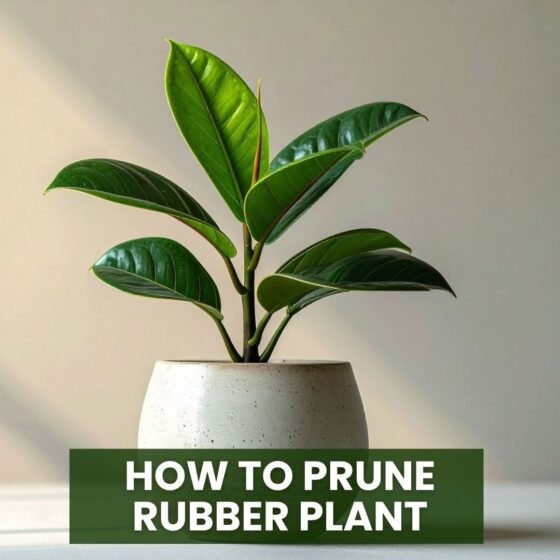
How to Prune Rubber Plant: Shape, Grow, and Keep It Healthy Indoors
If you’re growing a Rubber Plant (Ficus elastica) indoors, pruning is the secret to keeping it looking neat, lush, and vibrant.
This tropical houseplant can grow tall and leggy if left unchecked, but with the right trimming technique, you can guide its shape and encourage fresh, full growth.
Learning how to prune a Rubber Plant correctly ensures it remains a showpiece in your home. Let’s go through everything—from when to prune, how to prune, and what care it needs after pruning.
When to Prune a Rubber Plant
Timing is everything when pruning. The best time to prune a Rubber Plant is in spring or early summer, during its active growing season.
This allows the plant to recover quickly and grow new leaves. Avoid pruning in winter since the plant’s growth slows down, making recovery slower.
If your plant is getting too tall or uneven, light pruning can also be done mid-season. Always ensure it’s healthy before trimming to avoid stressing the plant.
How to Prune a Rubber Plant Properly
Pruning your Rubber Plant is simple but should be done with care to maintain its health and appearance. Follow these easy steps for best results:
-
Gather clean, sharp tools – Use sterilized pruning shears or scissors. This prevents infections from spreading through cuts.
-
Identify areas to trim – Look for leggy stems, damaged leaves, or branches growing out of shape.
-
Cut just above a node – Make cuts slightly above leaf nodes (the point where leaves grow from the stem). This encourages new branching.
-
Shape for symmetry – Trim evenly around the plant for a full, balanced look.
-
Avoid over-pruning – Don’t remove more than one-third of the plant at a time. Too much cutting can shock the plant and slow its recovery.
When pruning, you’ll notice white sap (latex) leaking from the cuts. Wipe it off gently—it’s natural but sticky. Wear gloves if you have sensitive skin, as the sap can irritate it.
Why Pruning Is Important for Rubber Plants
Pruning isn’t just for aesthetics—it’s vital for plant health. When you prune, you:
-
Encourage fuller growth – Cutting the top or side stems triggers new shoots, making the plant bushier.
-
Maintain height – Rubber Plants can grow over 8 feet indoors; pruning keeps them manageable.
-
Remove damaged parts – Trimming dead or yellow leaves helps prevent disease spread.
-
Improve air circulation – Proper spacing between branches lets light and air reach inner leaves.
Consistent pruning keeps your Rubber Plant in top shape and prevents it from looking sparse or uneven.
Tips for Shaping Your Rubber Plant
If you want your Rubber Plant to grow a certain way, pruning gives you control. Here’s how you can shape it:
-
For a tall, single-stem look, only trim side branches. This maintains height while keeping it sleek.
-
For a bushy look, prune the top stem. This encourages the plant to send out new side shoots.
-
For fuller foliage, trim just above a leaf node to stimulate new leaves below the cut.
The key is to prune slowly over time. Overdoing it in one session can leave your plant looking bare.
How to Handle Overgrown Rubber Plants
A mature Rubber Plant can quickly outgrow its space. When this happens, strategic pruning keeps it manageable. Start by removing:
-
The tallest stems that throw off its balance.
-
Older leaves at the bottom that no longer look healthy.
-
Crossing branches that block light.
If it’s extremely tall, you can cut back the main stem to the desired height. Within a few weeks, new shoots will appear from below the cut, helping it form a dense canopy.
How to Propagate Cuttings After Pruning
Don’t toss your trimmings—Rubber Plant cuttings can easily grow into new plants. Here’s how to do it:
-
Cut a 6-inch stem with at least two leaves.
-
Dip the cut end in rooting hormone.
-
Place it in water or moist soil.
-
Keep it in indirect light until roots form (usually 4–6 weeks).
This method is a great way to expand your indoor plant collection or share with friends.
Post-Pruning Care Tips
After pruning, your Rubber Plant needs extra care to recover and grow strong again. Here’s what you should do:
-
Water lightly for the first week—don’t overwater since cut stems are healing.
-
Wipe leaves with a damp cloth to remove dust and enhance photosynthesis.
-
Keep in bright, indirect light to encourage new growth.
-
Fertilize about a month after pruning to boost healthy leaf development.
-
Monitor for stress signs like drooping or leaf loss; these usually resolve as the plant adjusts.
Remember, patience is key—new growth can take a few weeks to appear.
Common Mistakes to Avoid When Pruning Rubber Plants
Even experienced plant lovers can make mistakes during pruning. Avoid these common ones:
-
Cutting too close to the node – This can damage new growth points.
-
Pruning during dormancy – Always prune during active growth seasons for faster recovery.
-
Skipping sterilization – Dirty tools can transfer diseases.
-
Over-pruning – Removing too much foliage at once weakens the plant.
Being gentle and precise goes a long way in maintaining a healthy, thriving Rubber Plant.
How Often Should You Prune a Rubber Plant?
You don’t need to prune often—once or twice a year is ideal. Minor trims can be done as needed when you notice overgrowth or unhealthy leaves. In spring and early summer, pruning encourages lush regrowth, while occasional light trimming in late summer helps maintain shape.
If your plant starts leaning or growing unevenly, it’s a sign it’s time to prune again.
Best Tools for Pruning Rubber Plants
Having the right tools makes pruning smoother and safer for your plant. Use:
-
Sharp pruning shears for clean cuts.
-
Sterilizing alcohol wipes to clean tools before and after use.
-
Gloves to protect from sap irritation.
-
Paper towels to dab excess sap from cuts.
These simple tools ensure precision while keeping your Rubber Plant healthy and pest-free.
How to Encourage Growth After Pruning
Once you’ve trimmed your Rubber Plant, proper care helps it bounce back beautifully. Try these growth-boosting tips:
-
Rotate the plant every few weeks so all sides receive equal light.
-
Feed with balanced fertilizer once a month during the growing season.
-
Repot every 2–3 years to refresh the soil and give roots room to expand.
-
Maintain humidity by misting the leaves occasionally or using a humidifier.
Consistent care ensures your Rubber Plant rewards you with glossy, vibrant leaves and steady growth.
Final Thoughts
Learning how to prune a Rubber Plant is a simple way to keep it lush, balanced, and thriving all year round.
With proper timing, clean cuts, and consistent aftercare, your plant will continue to grow healthy and strong.
Don’t be afraid to trim—it’s nature’s way of helping your Rubber Plant stay beautiful and full. Once you master pruning, you’ll enjoy a stunning, easy-to-maintain indoor tree that elevates your space effortlessly.