22 Beautiful Perennials to Plant in Fall for a Vibrant Garden Next Year
Planting perennials in the fall gives your garden a massive head start, allowing root systems to establish in warm autumn soil without the stress of summer heat.
The two most common autumn gardening mistakes are planting too close to the first hard freeze, leaving tender roots unanchored, and applying high-nitrogen fertilizer that triggers vulnerable new top growth right before winter.
The secret to explosive spring blooms is getting cold-hardy varieties into the ground at least six weeks before your first hard frost and insulating crowns with three inches of organic mulch.
Below are 22 perennials to plant in fall, organized around hardiness zone compatibility, root-establishment timing, and reliable spring-to-summer color.
Why Fall Planting Actually Works
Soil temperature, not air temperature, is what roots respond to, and fall soil often stays warm enough for real root growth for weeks after the air turns cool. That gap between warm soil and cool air is exactly what fall planting takes advantage of, roots keep growing while the top of the plant stays dormant and stress-free.
If you’re planning a broader fall garden refresh rather than just a few perennials, our backyard landscape ideas guide has more on laying out beds and borders before you start digging.
1. Coneflowers (Echinacea)
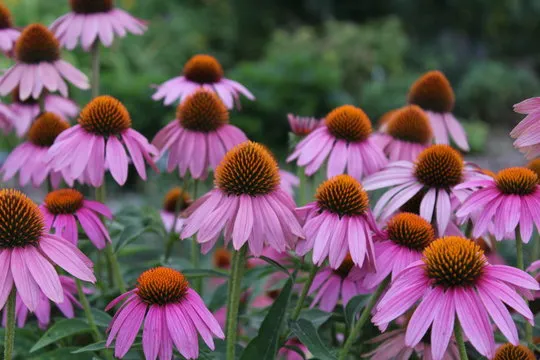
Coneflowers are tough, drought-resistant, and bloom in shades of purple, pink, and white, the kind of plant that genuinely thrives on being left alone once established. Planting in fall gives the taproot time to drive down before the ground freezes, which is exactly what makes this one so reliable the following June.
They’re hardy in zones 3 through 9 and pull in more bees and butterflies than almost anything else on this list once established.
2. Peonies
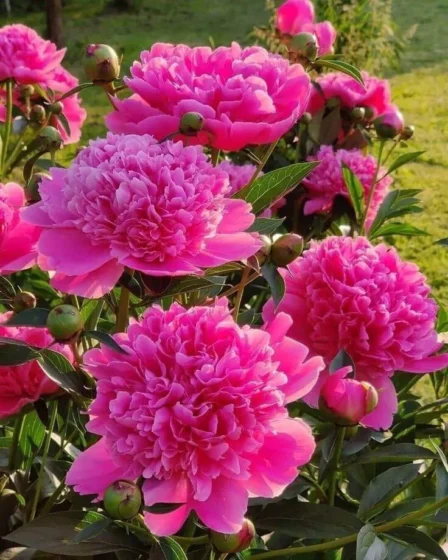
Peonies can genuinely live for decades once planted correctly, and fall is the only time of year that gives them enough settling time before frost to root properly. Plant the eyes, the small pink buds on the root, no deeper than two inches below the soil surface, planting too deep is the single most common reason peonies fail to bloom.
They need fertile, well-drained soil and at least six hours of direct sun to bloom reliably.
3. Black-Eyed Susans (Rudbeckia)
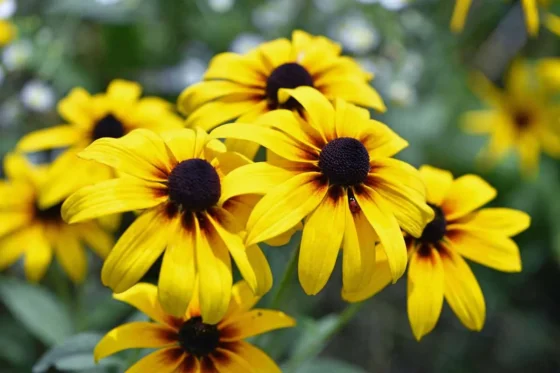
These golden-yellow blooms brighten up any garden and are genuinely hardy, deer-resistant, and forgiving of a late fall planting date. They tolerate poor soil better than almost anything on this list, making them a real option for a new bed that hasn’t been amended yet.
Full sun and average watering are all they genuinely need to establish before the first freeze.
4. Hostas
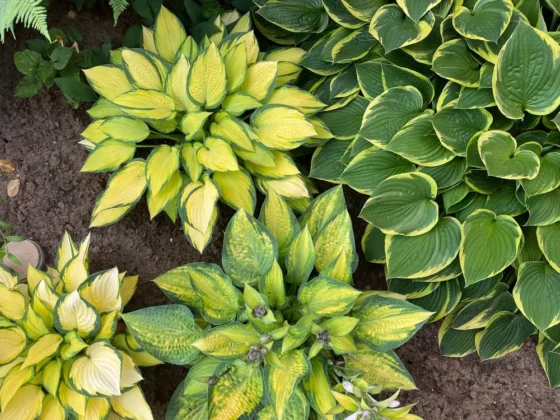
If you have shady spots, hostas are genuinely one of the best perennials to plant in fall, their lush foliage arriving in greens, blues, and variegated patterns that fill in a bare shade bed fast. Fall planting lets the root clump establish before the plant needs to push out its full spring foliage.
They want moist, rich soil and partial to full shade, and they’re a natural fit under trees where little else thrives.
5. Daylilies
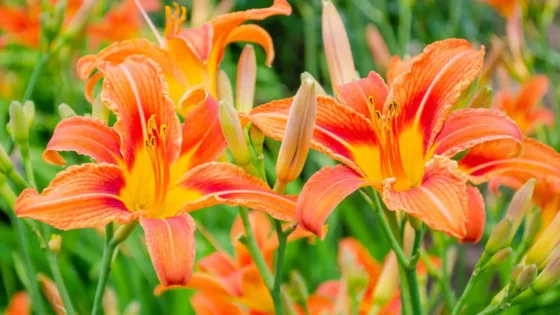
Daylilies thrive in nearly any condition, genuinely one of the most forgiving perennials for a beginner gardener planting for the first time. Fall planting sets them up to reward you with colorful summer blooms the very first year, faster than most perennials on this list.
They adapt to most soil types but prefer well-drained ground, and handle full sun to partial shade equally well.
6. Sedum (Stonecrop)
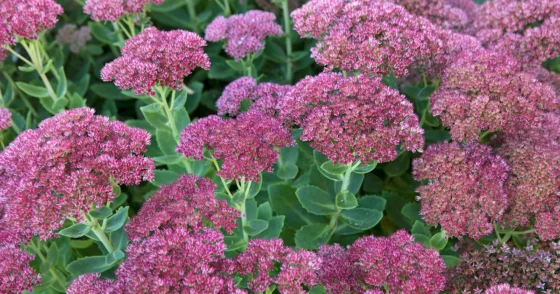
Sedum is genuinely ideal for gardeners who want a low-maintenance plant that looks intentional in every season, its succulent leaves storing water and making it naturally drought-resistant once rooted. Fall planting suits sedum’s slow, steady root habit well, no rush of top growth to worry about before winter.
Sandy, well-drained soil and full sun keep it happiest, making it a genuine fit for rock gardens and borders alike.
7. Lavender
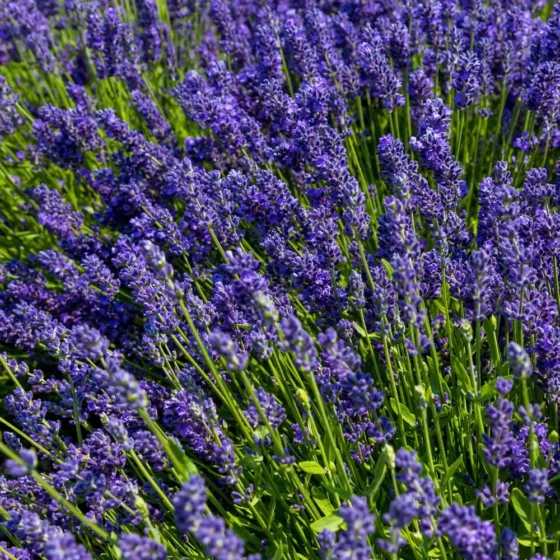
Lavender genuinely thrives when planted in fall because it gets real time to root before facing the heat of its first summer, a plant that struggles far more with wet roots than with cold. Give it space, crowded lavender holds humidity around its base and is genuinely more prone to root rot.
Sandy, well-drained soil and full sun are non-negotiable, lavender in heavy or consistently damp soil rarely lasts a full season.
8. Astilbe
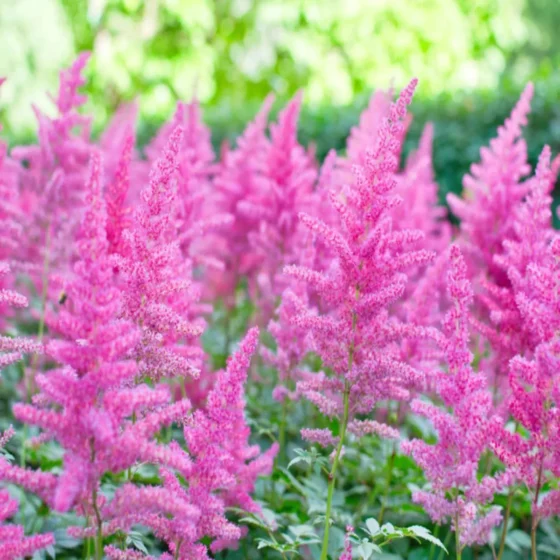
Astilbe adds real elegance with its feathery plumes, one of the few perennials that genuinely brings texture, not just color, to a shady garden bed. It thrives in moist, rich, shady spots, exactly the conditions many gardeners assume nothing colorful can grow in.
If you’re building out a full shade retreat rather than a single bed, our garden sitting area ideas guide covers pairing shade-loving plants like this with a spot to actually sit and enjoy them.
| Condition | Requirement |
|---|---|
| Sun | Partial shade |
| Soil | Moist, rich, never fully dries out |
9. Coreopsis
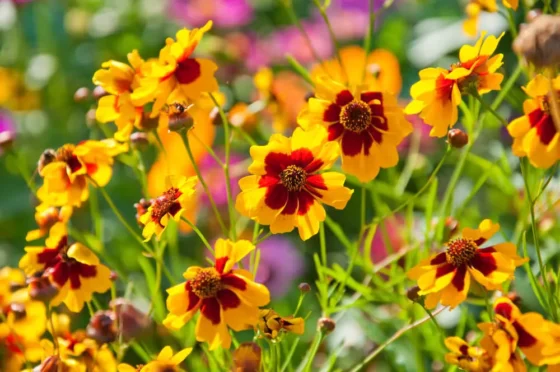
These daisy-like flowers bloom in shades of yellow, orange, and pink, and are genuinely hardy enough to handle a fall planting without much fuss. Butterflies find them especially reliable, making coreopsis a real workhorse in any pollinator-focused bed.
Average, well-drained soil and full sun are all it genuinely asks for in return.
10. Iris

Iris bulbs and rhizomes genuinely do best when planted in fall, their tall, striking flowers adding real drama to a spring garden that other perennials haven’t caught up to yet. Plant rhizomes shallow, with the top just barely exposed above the soil line, burying them too deep is a common reason iris fail to bloom.
Well-draining soil and full sun to partial shade round out what they genuinely need to thrive.
11. Catmint (Nepeta)
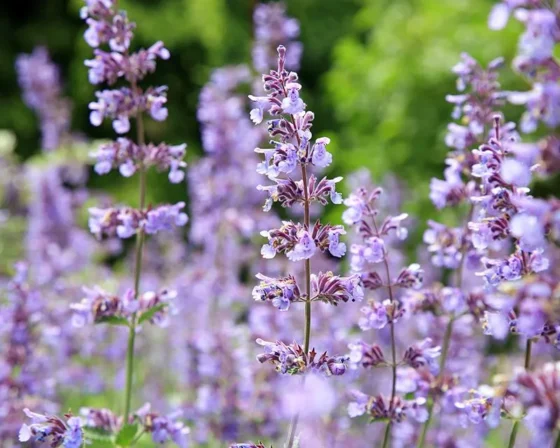
Catmint is a genuinely tough perennial that blooms for months at a stretch, its purple flowers and aromatic leaves pulling in pollinators from well across the yard. Fall planting suits its fast establishment habit, catmint often roots in faster than gardeners expect.
It tolerates average soil and full sun, and works beautifully spilling over a border edge or lining a patio bed.
12. Phlox

Phlox comes in both ground-covering varieties and tall garden types, and both genuinely do well when planted in fall, rooting steadily through the cooler months ahead. Give tall garden phlox real airflow between plants, powdery mildew is its most common problem and crowding makes it far worse.
Rich, moist soil and full sun to partial shade keep phlox blooming reliably through summer.
13. Russian Sage

Russian sage adds silvery foliage and lavender-like blooms, genuinely thriving in dry, sunny spots where many other perennials struggle to establish. It’s a real fit for xeriscaping, once rooted it needs very little supplemental water even through a dry summer.
Sandy, well-drained soil and full sun are what it genuinely needs to reach its full silvery height.
14. Shasta Daisy
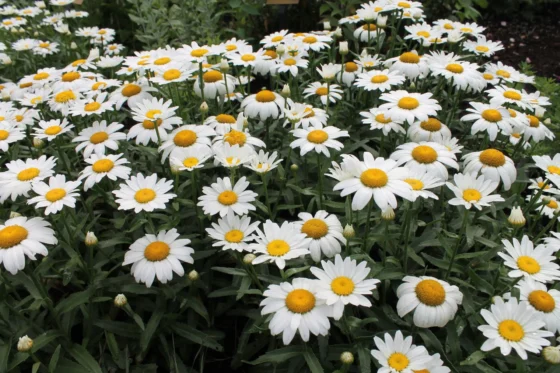
Shasta daisies are genuinely cheerful and long-blooming, a cottage garden staple that fall planting helps return stronger and fuller each following year. They’re an easy choice for a front bed since they read as classic without needing much upkeep once established.
If you’re planning a whole front-facing border rather than a single bed, our DIY front yard flower bed ideas guide has more layouts that pair well with a classic bloomer like this.
15. Hellebores

Hellebores, also known as Lenten roses, bloom in late winter to early spring, genuinely earlier than almost anything else on this list. Planting in fall lets you enjoy that early-season color the very first year rather than waiting through a second full growing cycle.
Moist, rich soil and partial shade suit them well, tucked beneath deciduous trees where winter sun still reaches the ground.
16. Salvia (Meadow Sage)
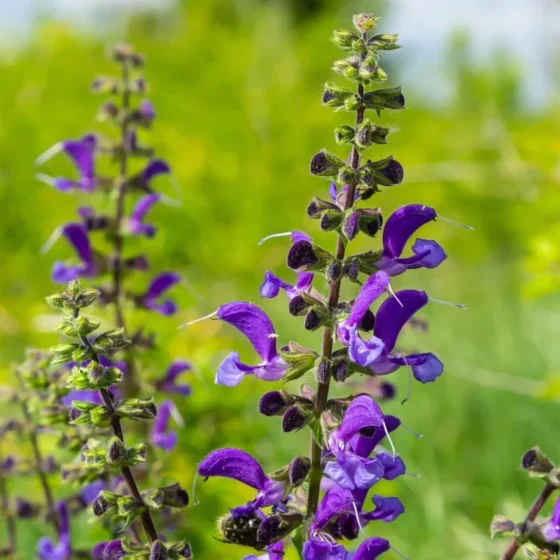
Perennial salvia sends up tall spikes of purple-blue blooms and genuinely reblooms if cut back after its first flush, giving you two rounds of color from one fall planting. It roots quickly in cool soil, often establishing faster than gardeners expect from a fall-planted perennial.
Well-drained soil and full sun keep the spikes upright and the color genuinely saturated.
| Condition | Requirement |
|---|---|
| Sun | Full sun |
| Rebloom | Cut back after first flush for a second round |
17. Coral Bells (Heuchera)
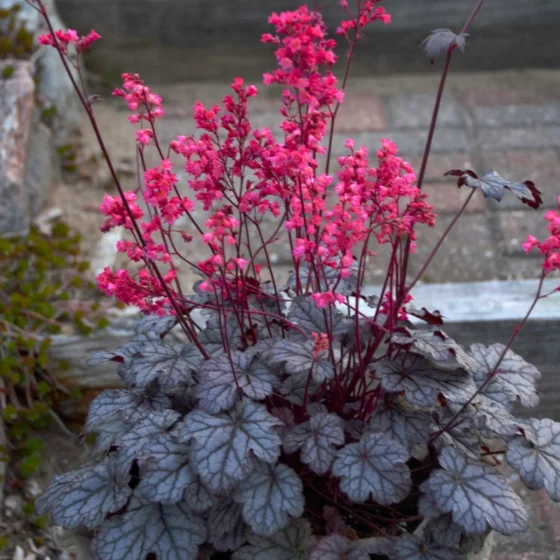
Coral bells bring genuine year-round color through foliage alone, ruffled leaves in shades of burgundy, lime, and amber that hold their color long after the delicate flower spikes fade. Fall planting lets the root system settle before the foliage needs to do its full seasonal display.
They want well-drained soil and partial shade, and genuinely dislike sitting in standing water over winter.
18. Yarrow (Achillea)
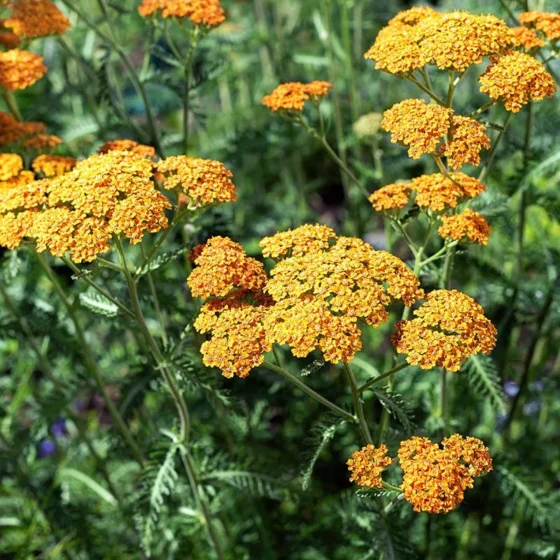
Yarrow’s flat-topped clusters of yellow, white, or pink blooms are genuinely one of the toughest, most drought-tolerant choices for a fall-planted bed. It spreads readily once established, making it a real option for filling a larger area without buying dozens of individual plants.
Poor to average, well-drained soil and full sun are genuinely all it asks for.
19. Baptisia (False Indigo)
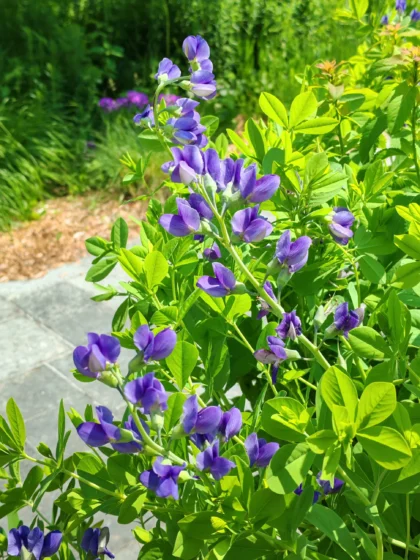
Baptisia develops a genuinely deep, extensive taproot, which is exactly why fall planting suits it so well, that root needs real time in loose soil to establish before the plant matures into its full, shrub-like size. Once settled, it can genuinely live for decades with almost no maintenance at all.
Well-drained soil and full sun to light shade suit it, and it genuinely resents being moved once the taproot is established.
20. Joe Pye Weed
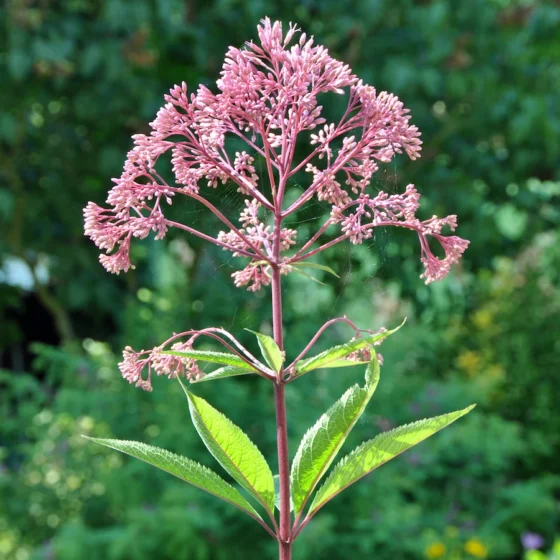
Joe Pye Weed brings genuine height and drama to the back of a border, its dusty pink flower clusters reaching well past most other perennials and pulling in butterflies by the dozen. Fall planting gives its substantial root system time to establish before it needs to support that much top growth.
Moist, rich soil and full sun to partial shade keep it genuinely thriving, it handles damper spots better than most tall perennials.
21. Asters
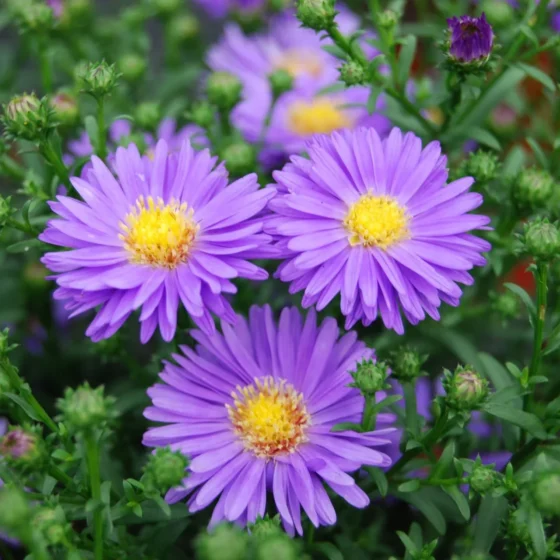
Asters are genuinely one of the very last major nectar sources before frost, making a fall-planted stand a real gift to migrating butterflies and late-season bees. Planting them in fall, right as they’re naturally blooming, actually gives you the added benefit of choosing colors and heights while they’re visibly in flower at the nursery.
Average, well-drained soil and full sun keep asters blooming reliably later than nearly anything else in the garden.
22. Bee Balm (Monarda)
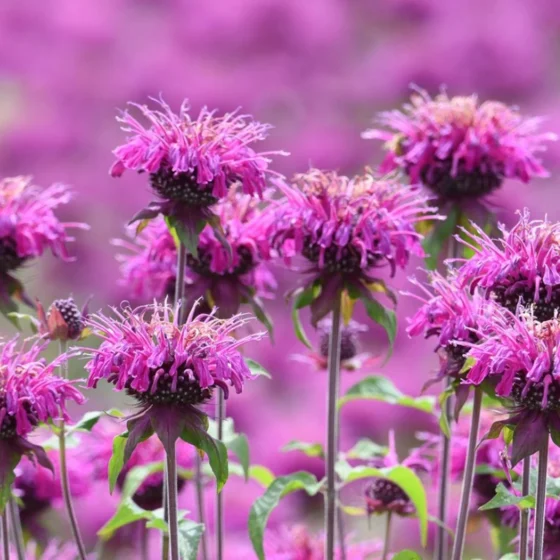
Bee balm’s shaggy, tubular blooms are a genuine hummingbird magnet, and fall planting gives the spreading rhizome root system real time to establish before it needs to support a full season of blooms. Give it good airflow, powdery mildew is bee balm’s most common issue, and crowding makes it noticeably worse.
If you’re planning a broader patio-adjacent bed around it, our patio landscaping ideas guide has more on pairing pollinator plants like this with a seating area nearby.
Tips for Successful Fall Planting
A handful of habits genuinely make the difference between perennials that limp through winter and ones that come back stronger every year.
Frequently Asked Questions
How close to the first frost is too late to plant perennials?
Aim for at least six weeks before your area’s average first hard frost. Planting closer than that leaves roots without enough time to anchor, and a plant with an unanchored root system is far more likely to heave out of the ground during winter freeze-thaw cycles.
Should I fertilize perennials at fall planting?
Skip high-nitrogen fertilizer specifically, it pushes vulnerable new top growth right before winter, which is the opposite of what a newly planted perennial needs. A layer of compost worked into the planting hole feeds the soil without triggering that risky growth spurt.
How deep should I mulch newly planted perennials?
Three inches of organic mulch, leaves or bark, is the genuine sweet spot, enough to insulate the crown and roots without smothering them or trapping excess moisture against the plant.
Can I plant perennials in fall if I live in a colder hardiness zone?
Yes, but the six-week window matters even more in colder zones, since the ground freezes sooner. Choose varieties rated at least one zone hardier than your actual zone for extra insurance in a genuinely cold winter.
Do all of these perennials need to be watered through winter?
No, once the ground freezes, watering stops mattering for most perennials on this list. The real window that matters is the weeks between planting and the first hard freeze, that’s when consistent moisture genuinely makes the difference for root establishment.
Final Thoughts
Planting perennials in fall is genuinely one of the smartest moves a gardener can make, from tough coneflowers to fragrant lavender and shade-loving hostas, the cooler weather and warm soil set every one of these 22 plants up for a stronger spring than a spring planting ever could.
Get them in the ground at least six weeks before your first hard frost, skip the high-nitrogen fertilizer, and mulch generously, and you’ll be genuinely rewarded with healthy, established blooms that return stronger year after year.