16 Ways to Protect Your Garden From Rats Naturally
In my years of helping people troubleshoot garden problems, rats are one of the pests that catch homeowners off guard the most. One week your plants look fine, and the next you are staring at chewed stems, missing leaves, and vegetables that vanished overnight. It feels random, but rats are almost always following a predictable pattern of food, water, and shelter.
The good news is that you do not need harsh chemicals to solve this. A mix of smart habits, natural deterrents, and a few physical barriers goes a long way toward keeping your garden rat-free. Here is a full, practical breakdown of what actually works.
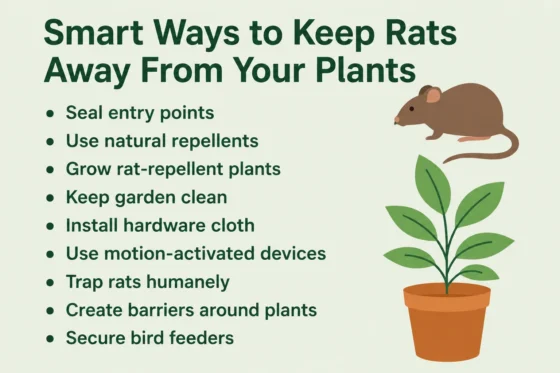
1. Understand Why Rats Are Targeting Your Garden
Rats show up in gardens for the same three reasons every time: food, shelter, and water. Vegetables, grains, fruit, and even plant roots are all fair game once a rat decides your yard is worth the trip.
Dense shrubs, open trash, uncovered compost, and fallen produce all send the same signal that your garden is an easy source of all three. Knowing what draws them in is the first real step toward keeping them out.
2. Learn to Spot the Signs of Rat Damage Early
Before you start treating your garden for rats, confirm that rats are actually the culprit. Rat damage has a distinct look compared to insect or deer damage, and catching it early makes every method below more effective.
Watch for chewed stems, leaves that disappear overnight, shallow burrows near beds, bite marks on fruit, and small droppings tucked near your plants. If produce is vanishing fast and cleanly, rats are usually the reason.
3. Seal Every Entry Point Around Your Garden
Rats can squeeze through gaps far smaller than most people expect, so sealing access points around fences, sheds, and patios cuts off their easiest routes in. Walk the perimeter of your garden and look closely for cracks, holes, and loose boards.
Patch anything you find with metal mesh, hardware cloth, or steel wool, since rats cannot chew through these materials. The more entry points you close, the harder your garden becomes to reach.
4. Use Plant-Safe Natural Repellents Rats Hate
Natural repellents keep rats away without putting anything harmful into your soil or on your plants. Strong scents like peppermint, eucalyptus, garlic, and clove oil are unpleasant enough to rats that they tend to avoid the area entirely.
Mix a few drops of essential oil with water and spray it around planters, beds, and pathways. Cotton balls soaked in the same oils work well tucked near spots where rats tend to hide. Refresh every few days since the scent fades quickly outdoors.
5. Plant a Border of Rat-Repelling Herbs
Some plants naturally give off scents that rodents avoid on their own. Lavender, peppermint, rosemary, basil, and marigolds all fall into this category, and planting them around the edges of vegetable beds creates a living barrier.
Placing them near known entry points does double duty, since they add fragrance and color to your yard while quietly discouraging rats from crossing. If you are planning a border like this, our perennial garden layout ideas pair well here, since many repelling herbs come back reliably year after year.
6. Keep the Garden Clean to Remove Rat Attractants
Clutter gives rats cover, and cover is exactly what makes a garden feel safe to them. Fallen fruit, wood piles, overgrown weeds, and loose leaves all create hiding spots that keep rats coming back.
Clear debris regularly, keep compost covered, and make sure trash can lids seal tightly. A clean, open yard leaves rats feeling exposed, and exposed is the last thing they want to be. Tidy garden edges also make a natural companion to our lawn stone edging ideas, which keep beds looking sharp while removing clutter along the borders.
7. Line Raised Beds With Hardware Cloth
Hardware cloth works like armor underneath your plants. Burying a layer a few inches deep stops rats from tunneling directly into your beds from below, which is one of the sneakiest ways they reach roots.
Wrapping it around the sides of raised beds or planter boxes adds another layer of protection. It is one of the more reliable physical barriers available, since rats simply cannot chew through it.
| Placement | Protects Against |
|---|---|
| Buried beneath bed | Tunneling from below |
| Wrapped around sides | Chewing through walls |
8. Try Motion-Activated Deterrents
Motion-activated tools startle rats before they get comfortable enough to settle in. Ultrasonic emitters, motion-activated sprinklers, and vibrating stakes all react the moment a rat passes by, interrupting their path before they reach your plants.
These devices are generally safe for pets and plants when placed correctly, and they work well combined with the scent-based repellents mentioned earlier rather than as a stand-alone fix.
9. Set Humane Traps If Rats Are Already Present
If rats have already moved in, humane live-catch traps help bring the population down without poison. Place them near walls, burrow openings, or under dense shrubs where activity is heaviest.
Bait with peanut butter or nuts, check traps daily, and release any rat you catch well away from your home. This approach reduces long-term damage while keeping the surrounding ecosystem intact.
10. Cage Vulnerable Plants Individually
Some plants need extra defense beyond general garden habits. Small cages made from wire mesh or hardware cloth wrap around individual plants and stop rats from chewing stems and leaves directly.
These cages fit especially well around seedlings, herbs, and young vegetables, since they let sunlight and water through while blocking rodents completely. It is a targeted fix for the plants rats tend to go after first.
11. Secure Bird Feeders and Feeding Areas
Bird food is one of the strongest rat attractants in most yards. Loose seed, spilled grain, and sweet nectar draw rats in quickly, often before you notice any garden damage at all.
Switch to rat-proof feeders, add trays to catch fallen seed, and clean feeding areas often. Mounting feeders higher off the ground also makes them harder for rats to reach in the first place.
12. Add Outdoor Lighting to Discourage Night Activity
Rats prefer dark, quiet corners where they feel unseen. Adding outdoor lighting near your garden removes that comfort and makes the space far less appealing for nighttime feeding and nesting.
Solar lights or LED path lights brighten the area without adding to your electric bill, and consistent lighting alone can push rats toward darker, safer spots elsewhere.
13. Water Your Plants Correctly to Avoid Attracting Rats
Water draws rats just as strongly as food does. Overwatering leaves standing puddles that give them exactly what they are looking for, so watering early in the morning gives soil time to dry out before nightfall.
Fix leaking hoses and dripping taps as soon as you spot them. Managing water carefully keeps your plants healthy while quietly cutting off one more thing rats are searching for.
14. Strengthen Soil and Roots So Plants Recover Faster
Healthy plants bounce back better even when rats manage to cause some damage. Strengthening soil with compost, mulch, and steady nutrients supports strong roots and more vigorous growth overall.
Tough, well-fed plants recover from chewing far faster than stressed ones, which makes this less about prevention and more about resilience for the long run.
15. Store Pet Food, Seeds, and Tools Securely
Rats can smell food from a surprising distance, so how you store supplies matters as much as what happens in the garden itself. Pet food, bird seed, and fertilizers should all go into airtight containers, kept off the ground.
Once the smell of easy food disappears, a lot of rat activity naturally follows it out. This simple storage change often makes a bigger difference than people expect.
16. Install Rat-Proof Fencing for Long-Term Protection
For gardens with repeated rat problems, dedicated fencing offers the most lasting protection. Choose mesh fencing with small enough holes that rats cannot squeeze through, and bury the base a few inches deep to block tunneling underneath.
Good fencing protects vegetables, herbs, and fruit patches at once, and it pairs naturally with the rock and edging work in our painted rock garden ideas, since a defined, well-edged border makes fencing far easier to install and maintain.
Final Thoughts
Keeping rats out of your garden rarely comes down to one single trick. It is the combination of sealed entry points, natural repellents, clean habits, and a few physical barriers working together that makes the biggest difference over time.
Start with the changes that are easiest for your yard, whether that is cleaning up clutter or adding a border of repelling herbs, and build from there. With consistency, your garden becomes a space where rats simply do not find enough reasons to stay.
FAQ
What is the fastest way to tell if rats are damaging my garden?
Look for chewed stems, missing leaves, shallow burrows, and bite marks on fruit. Overnight disappearance of produce is a strong sign.
Do natural repellents actually work against rats?
Yes, strong scents like peppermint, eucalyptus, and clove oil are genuinely unpleasant to rats, though they need refreshing every few days to stay effective.
Is hardware cloth better than fencing for protecting plants?
They serve different purposes. Hardware cloth protects roots and raised beds from below, while fencing blocks rats from reaching the garden at all.
Are humane traps a good long-term solution?
They help reduce an existing population, but pairing them with sealed entry points and cleanup habits prevents new rats from moving in afterward.
Can overwatering really attract rats?
Yes, standing water from overwatering gives rats an easy water source. Watering in the morning lets soil dry out before nightfall.