How to Overwinter Pepper Plants and Keep Them Alive Until Spring
Most home gardeners treat pepper plants as something they buy fresh every spring and pull up every fall. In my years of working with vegetable gardens, that habit surprises me every time, because peppers are not actually annuals.
In their native range they are short-lived perennials, and with a little effort, the plant sitting in your garden right now can survive winter indoors and come back stronger next season instead of starting from seed again.
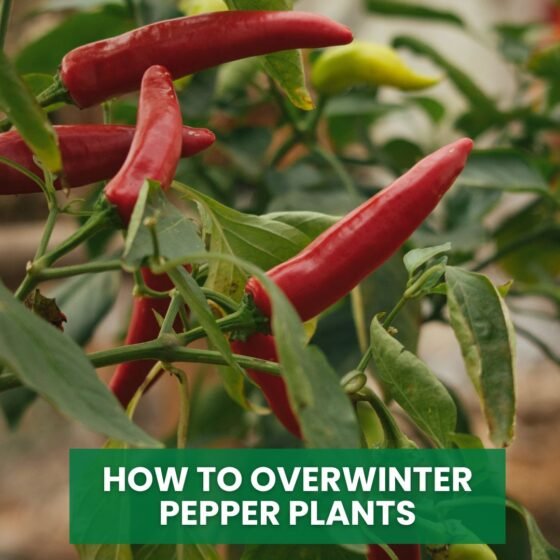
Overwintering takes some planning before the first frost hits, not after. Here is how to bring a pepper plant through winter and set it up for a real second season.
1. Why Overwintering Peppers Is Worth the Effort
A pepper plant that survives its first winter tends to produce earlier and heavier the following season, since it already has an established root system instead of starting from a seedling. That head start matters more than most gardeners expect, especially for slower-growing hot pepper varieties.
If you already grow hot varieties, our chilli plant pruning guide pairs well with this process, since a well-pruned plant handles the stress of moving indoors far better than an overgrown one.
2. Choosing Which Plants Are Worth Saving
Not every pepper plant is a good candidate for overwintering. Pick the ones that stayed healthiest through the growing season, without heavy disease pressure or stunted growth, since a struggling plant rarely bounces back well indoors.
Smaller varieties and compact hot peppers also handle the transition better than large, sprawling bell pepper plants, simply because they fit more easily in a pot near a window.
3. Bring Plants Indoors Before the First Frost
Timing matters more than almost anything else in this process. Pepper plants have very little cold tolerance, and even a light frost can damage or kill the foliage beyond recovery, so plan to bring plants inside a week or two before your area’s average first frost date rather than waiting for a forecast warning.
Watching the forecast closely in early fall gives you enough lead time to prepare the plant properly instead of rushing the process at the last minute.
| Timing | Action |
|---|---|
| 1 to 2 weeks before first frost | Begin transition indoors |
| After first light frost | Likely too late to save foliage |
4. Cut the Plant Back Before Moving It Indoors
Before the move, cut the plant back by about half its size, removing most of the leaves and any remaining fruit. This sounds drastic, but a smaller plant with less foliage needs far less light and water to stay alive through winter, which is exactly the goal during dormancy.
If your plant has grown tall and leggy over summer, our bell pepper pruning guide walks through the exact cuts to make so you are not guessing at what to remove.
5. Inspect and Treat for Pests Before the Move
Outdoor pests hitch a ride indoors more often than people realize. Check the undersides of leaves and along stems for aphids, spider mites, or their eggs before the plant ever crosses your threshold, since a small outdoor problem turns into a much bigger one once it has your whole house to spread through.
A gentle soap and water spray or a light neem oil treatment a few days before the move handles most minor infestations without stressing the plant further.
6. Repot If the Plant Has Outgrown Its Container
If your pepper was growing directly in the ground or in an oversized outdoor container, moving it into a more manageable indoor pot makes winter care much simpler. A pot in the 8 to 12 inch range usually works well for most pepper varieties without taking up too much window space.
Fresh, well-draining potting soil at this stage also helps, since garden soil tends to hold too much moisture indoors and can lead to root problems over the winter months.
| Situation | Recommendation |
|---|---|
| Grown in ground | Dig up and pot into 8 to 12 inch container |
| Already in a pot | Refresh soil, repot only if root bound |
7. Find the Right Indoor Spot
Peppers need as much natural light as your home can offer during winter, so a south-facing window is usually the best available option. Temperature matters too. Aim for somewhere between 55 and 65 degrees Fahrenheit, which is cool enough to encourage a restful dormancy without risking actual cold damage.
Avoid spots near drafty doors or heating vents, since both create temperature swings that stress the plant more than steady, moderate conditions would.
8. Cut Back on Watering
Dormant pepper plants need far less water than they did during the growing season, and overwatering is one of the most common ways people accidentally kill an overwintered plant. Let the top two inches of soil dry out completely between waterings, and expect to water much less often than you would in summer.
A plant that looks slightly wilted but has dry soil usually just needs a normal watering. A plant with wet soil and yellowing leaves is telling you to back off entirely.
9. Skip the Fertilizer Until Spring
A dormant plant is not actively growing, which means fertilizer mostly goes to waste and can even build up salts in the soil that harm the roots over time. Hold off on feeding entirely until you see clear signs of new growth returning in late winter or early spring.
| Season | Fertilizer |
|---|---|
| Winter dormancy | None |
| New growth appears | Resume light feeding |
10. Expect Some Leaf Drop, and Do Not Panic
Almost every pepper plant loses some leaves during the first few weeks indoors, and this is a normal stress response to the change in light and humidity rather than a sign something has gone wrong. The plant is essentially adjusting its energy use to match its new, lower-light environment.
As long as the stems stay firm and green underneath, the plant is very likely fine. Brittle, dry stems are the real warning sign to watch for instead.
11. An Alternative Method: Bare Root Storage in a Box
If window space is limited, some gardeners skip the potted approach entirely and store peppers as bare roots instead. Dig up the plant, shake off the excess soil, trim the roots and top growth back significantly, and store the whole thing in a box with barely damp peat moss or sawdust in a cool, dark spot around 40 to 50 degrees.
This method takes up far less space than a full pot near a window, though it does require checking on the roots occasionally to make sure they stay just barely moist, never wet, through the winter months.
12. Add Supplemental Light If Natural Light Is Weak
Winter daylight hours are short, and even a good south-facing window often is not enough on its own, especially further north. A basic grow light running for 10 to 12 hours a day makes a real difference in how well the plant maintains its energy through the darker months.
You do not need anything elaborate here. A simple LED grow light on a timer is usually enough to supplement whatever natural light the plant is already getting.
13. Watch for Indoor Pests Like Aphids and Spider Mites
Indoor conditions, especially the dry air common with winter heating, tend to favor spider mites in particular. Check leaves every week or two for tiny webbing, stippled discoloration, or small crawling insects, since catching an infestation early makes it far easier to treat before it spreads to the rest of the plant.
A light misting to raise humidity around the plant can actually help discourage spider mites, which generally prefer drier conditions than most other common houseplant pests.
14. Reintroduce Plants Outdoors Gradually in Spring
Once your last frost date has safely passed, do not just move the plant straight back outside into full sun. Harden it off gradually over one to two weeks, starting with a few hours of shade outdoors and slowly increasing both sun exposure and time outside each day.
Skipping this step often causes sunscald or serious transplant shock, undoing much of the work that went into keeping the plant alive all winter in the first place.
| Week | Outdoor Exposure |
|---|---|
| Week 1 | A few hours in shade daily |
| Week 2 | Gradually increase sun and time outside |
15. Prune Again Before New Growth Kicks In
Right before you move the plant back outdoors, give it one more light prune to remove any weak, leggy, or damaged growth that developed over winter. This clears the way for strong new shoots once the plant settles back into warmer temperatures and stronger light.
If you grow multiple pepper varieties and want to expand your garden further this season, our perennial garden layout ideas are worth a look for planning where an overwintered plant fits best alongside your other returning perennials.
Final Thoughts
Overwintering peppers takes a bit more attention than simply composting the plant every fall, but the payoff is real. A plant that already has an established root system going into spring tends to grow faster, fruit earlier, and often produces more than a fresh seedling would in that same window of time.
Start the process before your first frost, keep the plant cool and lightly watered through the dormant months, and ease it back outside slowly once spring arrives. Do that consistently and you can keep the same pepper plants going for several seasons instead of starting over every single year.
FAQ
Can any pepper plant be overwintered, or only certain types?
Most pepper varieties can survive overwintering, though smaller, compact hot pepper types generally adjust to indoor life more easily than large bell pepper plants.
Will an overwintered pepper plant still produce fruit next season?
Yes, and often earlier than a new seedling would, since the plant already has an established root system going into spring.
How much should I water a dormant pepper plant indoors?
Very little. Let the top two inches of soil dry out completely between waterings throughout the dormant winter months.
Is it normal for an overwintered pepper plant to lose most of its leaves?
Yes, some leaf drop in the first few weeks indoors is a normal stress response, as long as the stems stay firm and green underneath.
Do I need a grow light to overwinter peppers successfully?
Not always, but a basic grow light helps significantly in homes without a strong south-facing window, especially in northern climates.