12 Vegetable Garden Layouts With Real Spacing and Companion Planting Rules
The layout you choose for a vegetable garden shapes everything that follows, how much water it needs, how easily you can rotate crops, and how much food actually fits in the space available.
There’s no single correct layout, a small urban patio calls for a genuinely different approach than a quarter-acre backyard plot, and matching the method to your actual space and time is what separates a garden that thrives from one that gets away from you by midsummer.
Below are 12 vegetable garden layouts built around real spacing, sun, and soil principles that make each style genuinely work.
1. Traditional Row Garden
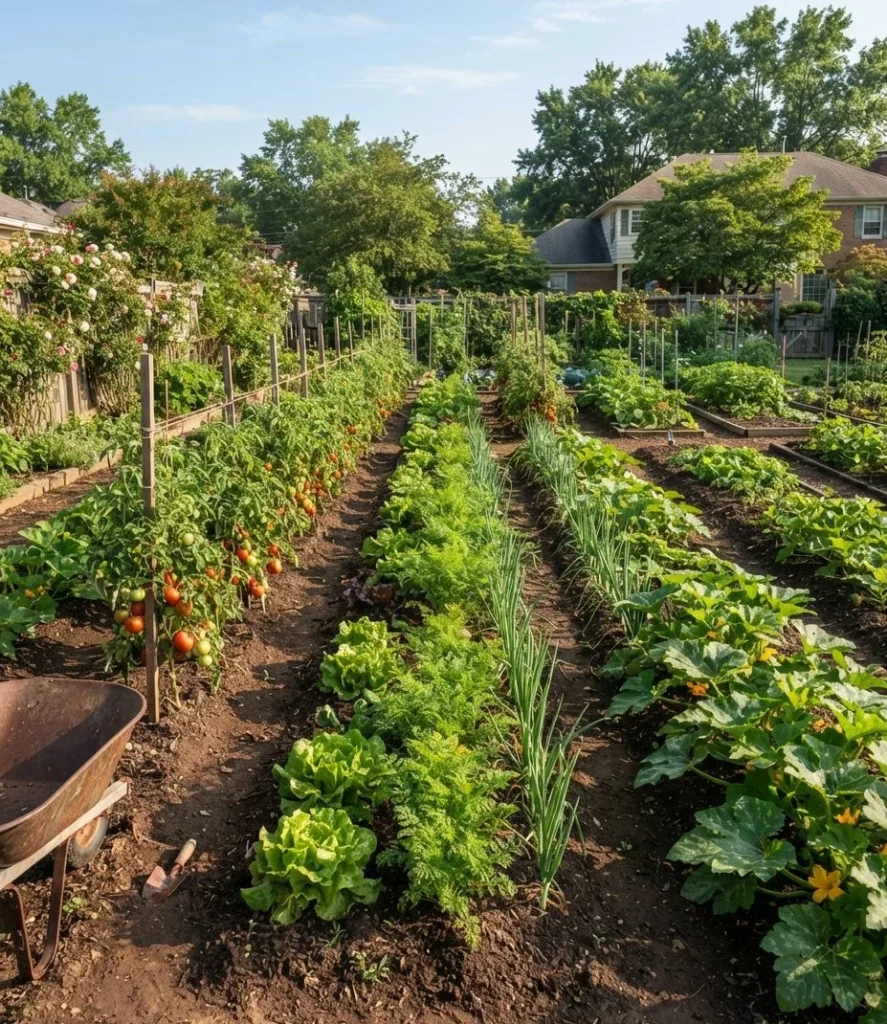
Long, straight rows running north to south give every plant equal access to sun throughout the day, genuinely the reasoning behind this classic layout rather than pure tradition. It’s also the easiest style to manage with a tiller or hoe, since the wide paths between rows accommodate real equipment access that tighter layouts can’t.
Space rows based on the mature width of what you’re planting, tomatoes and squash genuinely need 3 to 4 feet between rows, while leafy greens and root vegetables can go as tight as 12 to 18 inches.
2. Square Foot Garden Grid
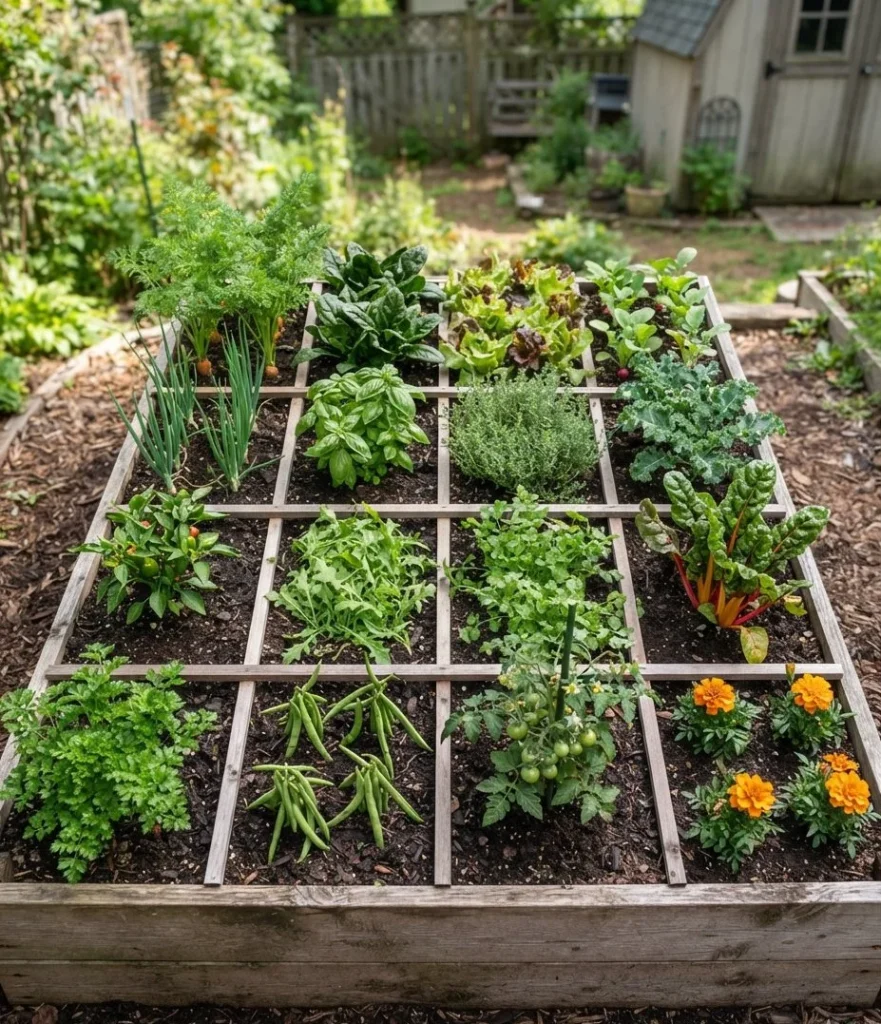
A raised bed divided into a grid of 1-by-1-foot squares, developed and popularized by Mel Bartholomew, packs genuinely intensive production into a small footprint by planting each square according to the mature size of that specific crop. A single square holds one tomato plant but sixteen carrots, and that per-square math is what makes this layout so efficient.
Fill the bed with Mel’s Mix specifically, equal parts compost, peat moss or coco coir, and vermiculite, standard garden soil compacts too densely for the root systems this intensive spacing depends on.
3. Raised Bed Row Layout
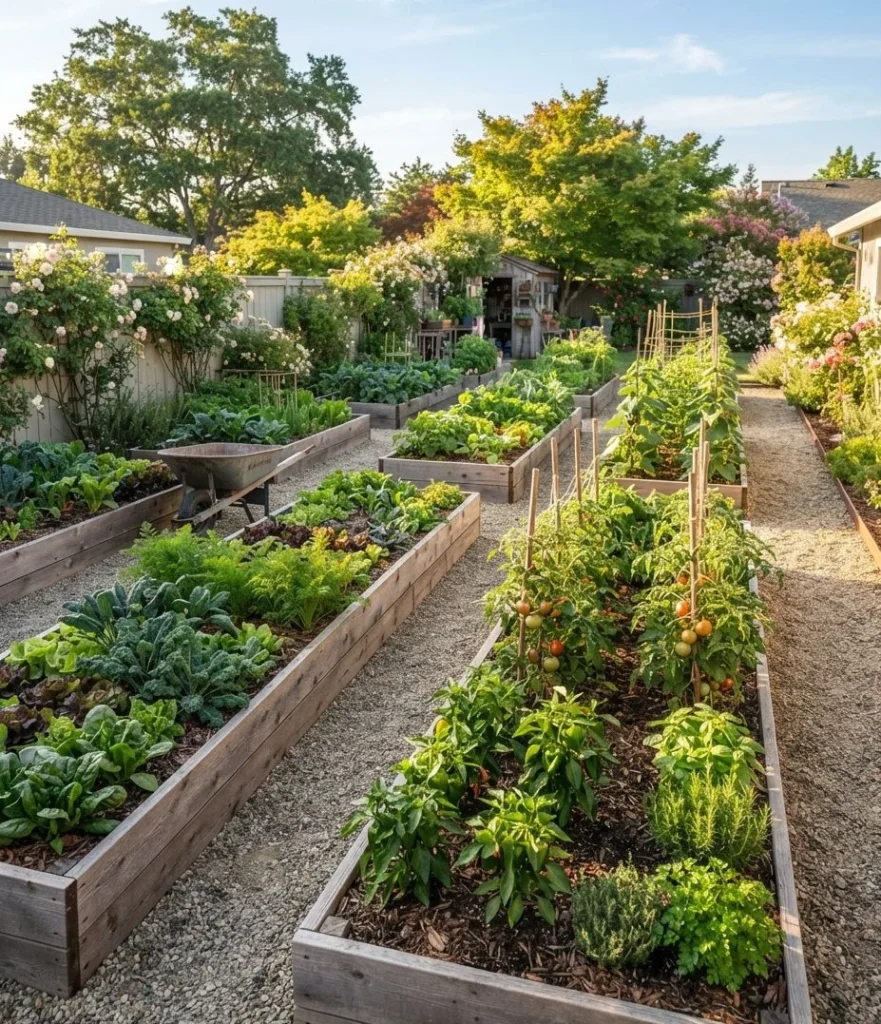
Multiple raised beds arranged in parallel rows combine the row garden’s organized structure with real soil control, letting you fill each bed with an ideal growing mix regardless of what the native ground soil is like. This genuinely solves drainage and soil quality problems a traditional in-ground row garden can’t easily fix.
Build beds no more than 4 feet wide for reach from both sides, and leave at least 24 inches of path width between them, tighter paths genuinely become difficult once plants mature and lean into the walkway.
4. Keyhole Garden Layout
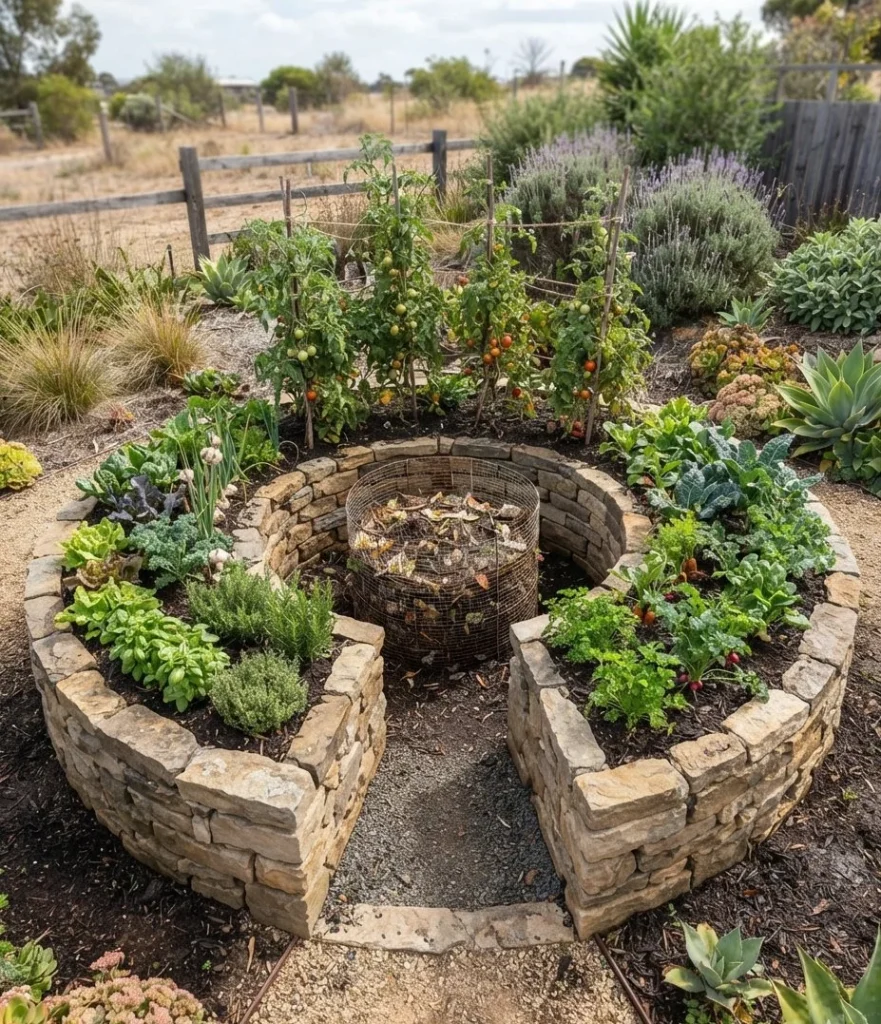
A circular raised bed with a wedge-shaped notch cut toward the center, where a compost basket sits, gives you genuine access to every part of the growing area from a single standing position while the compost feeds the soil continuously. Originally developed in drought-prone regions of Africa, this layout is genuinely built for real water efficiency.
Water poured directly into the center compost basket seeps outward through the whole bed, meaning the entire circular planting area gets fed from one central watering point rather than needing to be watered edge to edge separately.
5. Three Sisters Companion Planting Layout
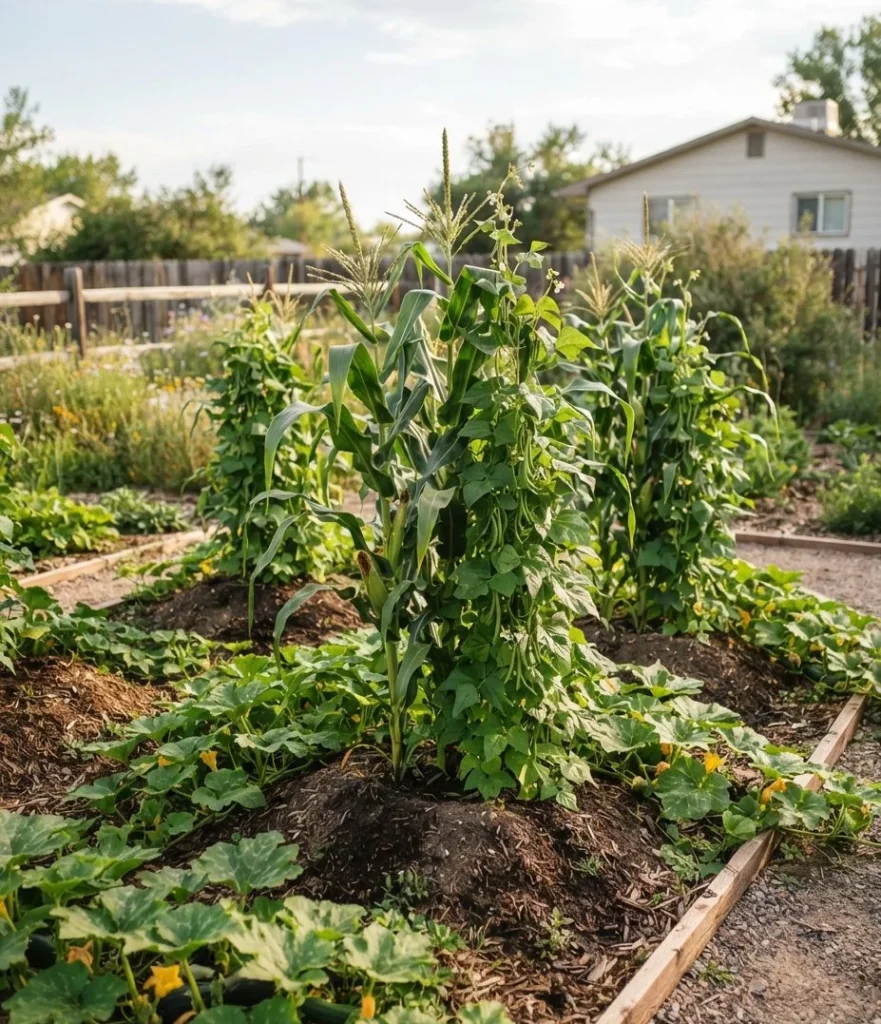
Corn, pole beans, and squash planted together in mounds, a Native American growing method used for centuries, forms a genuinely symbiotic relationship, the corn stalk supports the climbing beans, the beans fix nitrogen back into the soil for the corn, and the squash’s broad leaves shade the ground to suppress weeds and hold moisture.
Plant corn first and let it reach about 6 inches tall before adding beans and squash, beans planted at the same time as corn genuinely outcompete the corn seedlings for early growth.
6. Vertical Trellis Row Layout
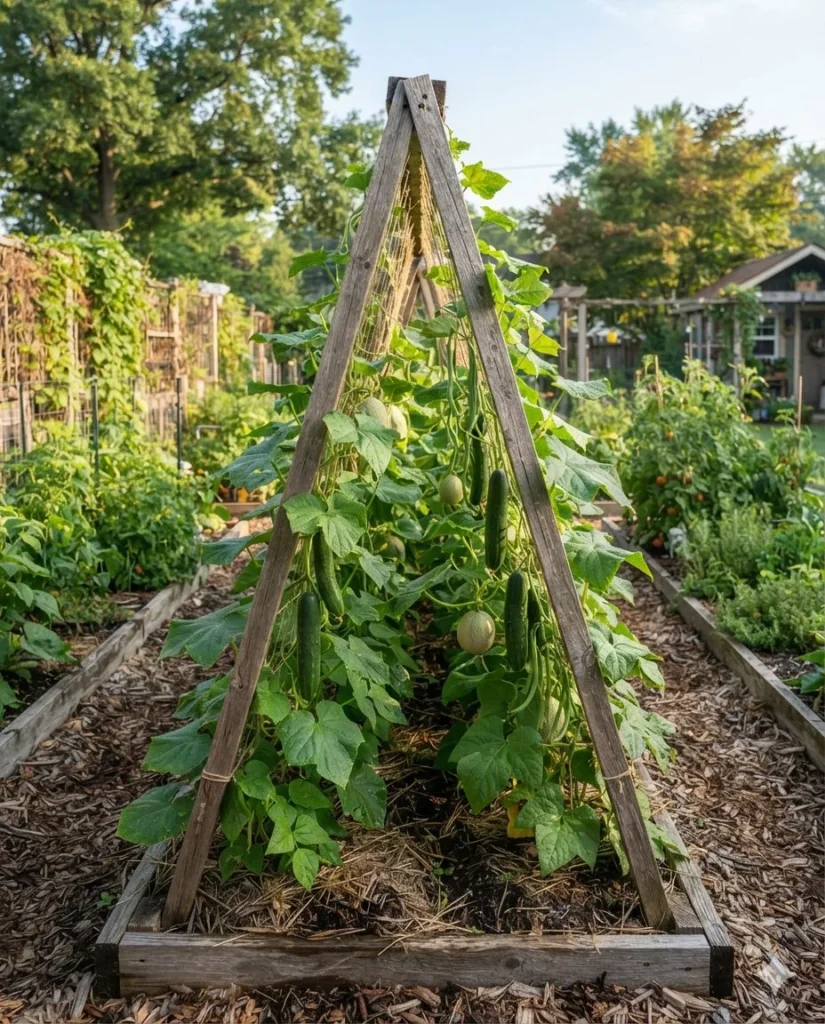
A-frame or flat trellises positioned along a row let vining crops like cucumbers, pole beans, and small melons grow up rather than out, genuinely doubling the productive yield of a given footprint compared to letting the same plants sprawl across the ground. This layout also improves airflow around the foliage, which real reduces fungal disease pressure.
Orient trellis rows to run east to west specifically, this positions the trellis itself to avoid shading neighboring rows the way a north-south vertical structure genuinely would during peak sun hours.
7. Spiral Herb and Vegetable Garden
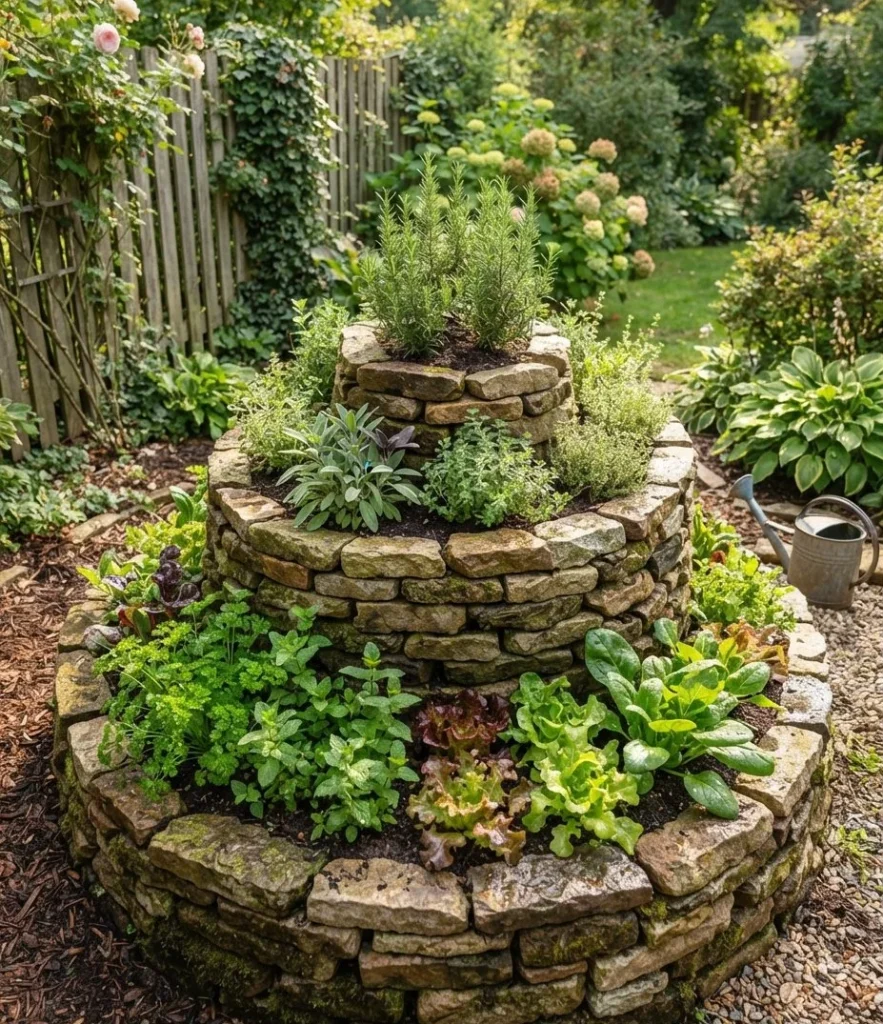
A raised spiral of stacked stone or brick, coiling upward and inward, creates genuinely different microclimates within one small footprint, the top stays dry and sunny for Mediterranean herbs like rosemary and thyme, while the base stays cooler and moister for herbs like mint and parsley. This is a real permaculture design principle applied at garden scale.
Build the spiral facing the sun’s strongest exposure, typically south in the northern hemisphere, so the different microclimates actually develop as intended rather than all sides receiving similar light.
8. Container Garden Grid
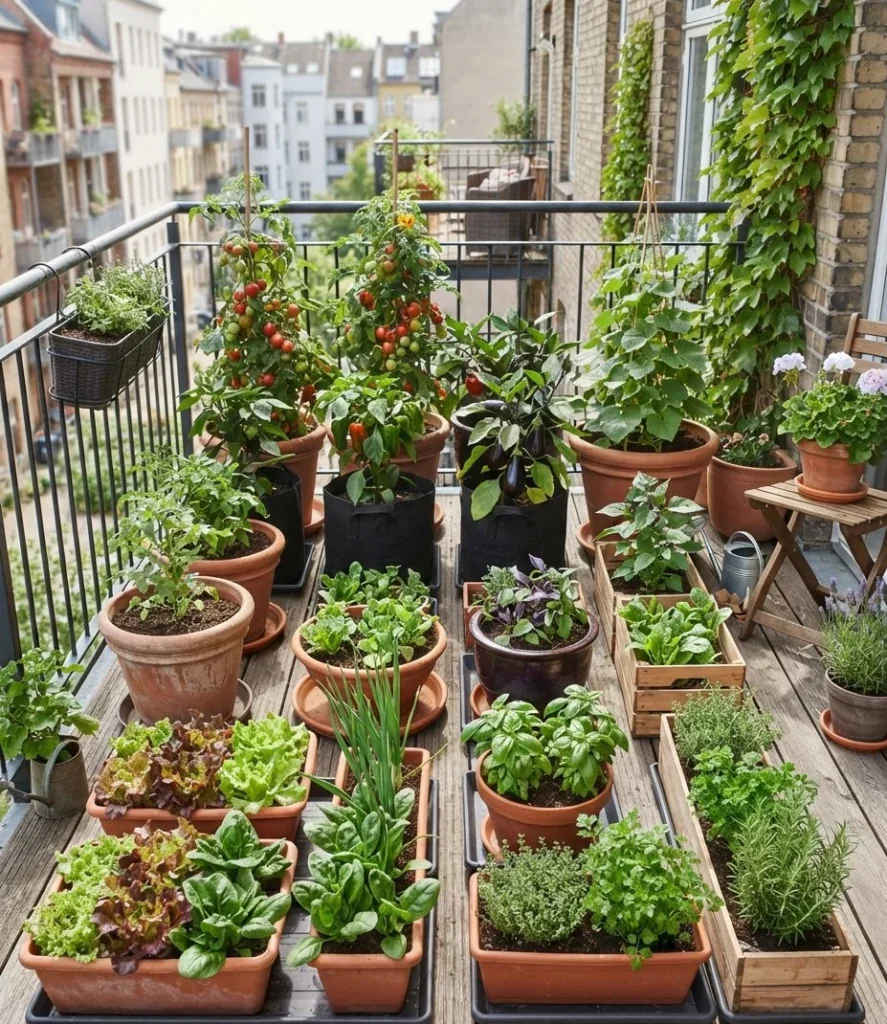
A grid of individual containers, arranged by the sun exposure and root depth each vegetable actually needs, brings real vegetable production to a patio or balcony with zero ground access at all. This layout genuinely offers the most flexibility on this list, since containers can be rearranged as sun patterns shift through the season.
Match pot depth to root type specifically, tomatoes and peppers need at least 12 inches of depth, while lettuce and herbs genuinely thrive in containers as shallow as 6 inches.
| Deep Root Crops | Tomatoes, peppers, need 12+ in depth |
| Shallow Root Crops | Lettuce, herbs, thrive at 6 in depth |
| Watering | Daily in summer, containers dry fast |
| Drainage | Every pot needs real bottom drainage holes |
9. No-Dig Lasagna Bed Layout
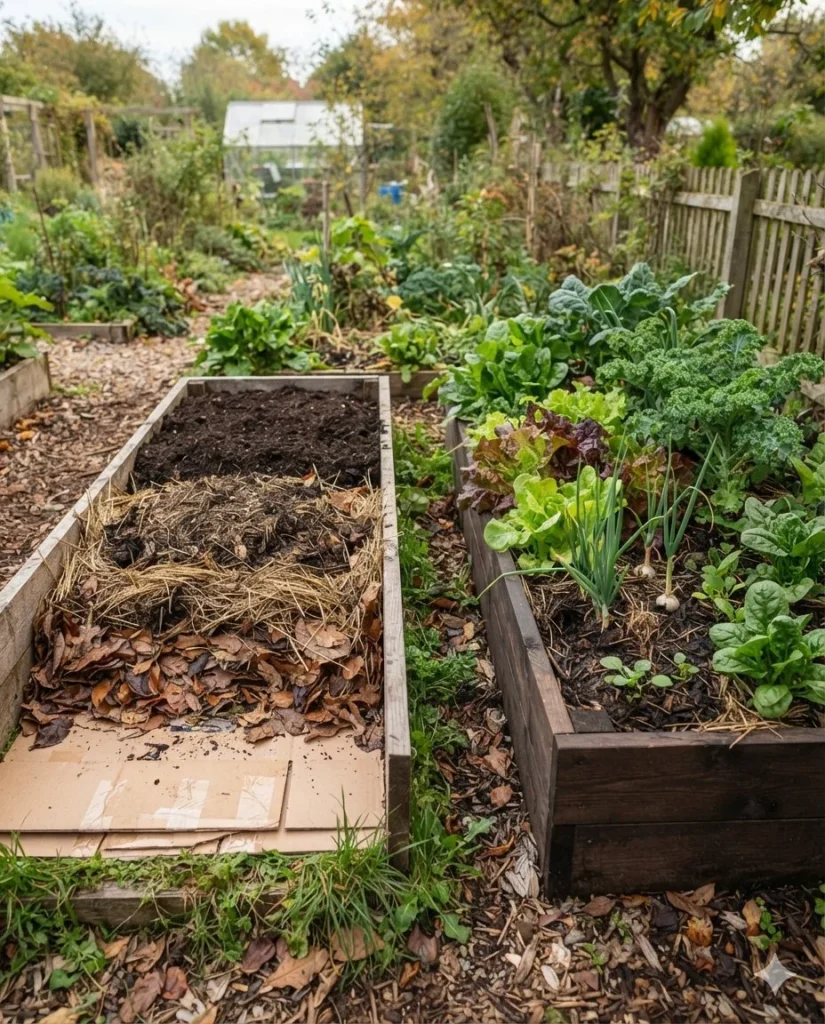
Layers of cardboard, compost, straw, and topsoil built directly on top of existing grass or ground, no tilling or digging required, break down over a season into genuinely rich growing soil. This layout is especially useful for converting an unused lawn area into productive growing space without the labor of removing sod first.
Start layering in fall for a spring-ready bed, the layers genuinely need several months to compost down into workable soil, though a fast-tracked version can be planted into within weeks if compost and topsoil make up the top layers.
10. Permaculture Guild Layout
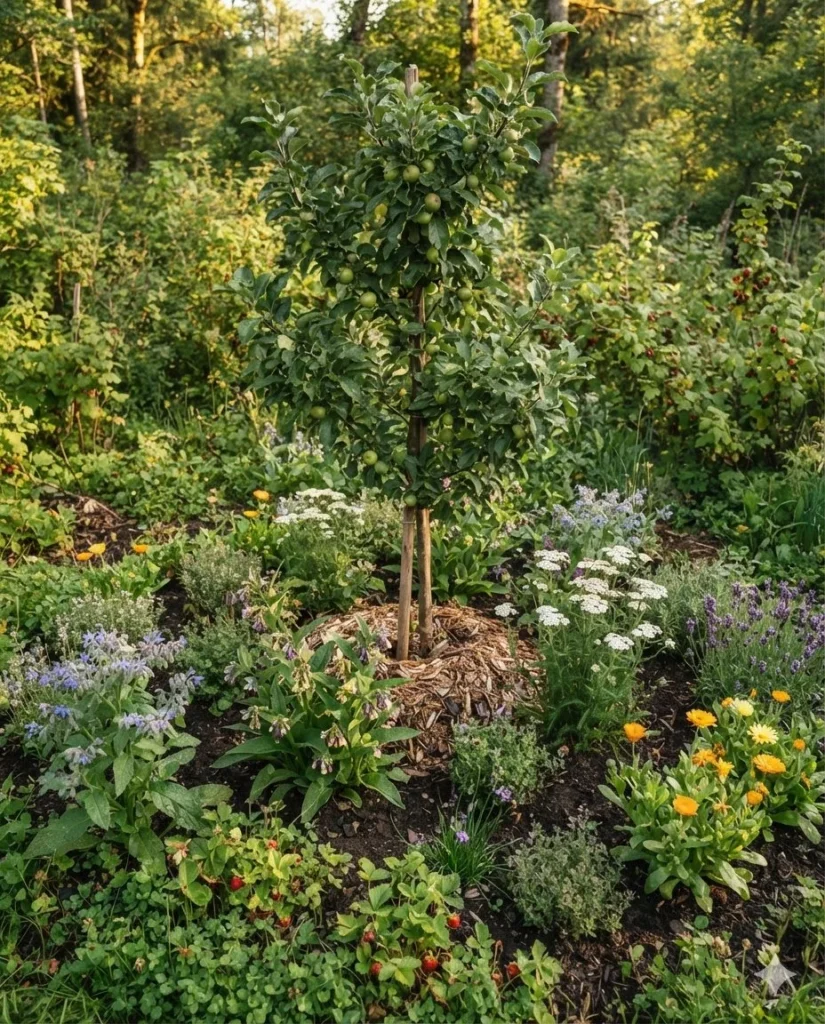
A central fruit tree surrounded by rings of companion plants, nitrogen-fixers, pest-deterrent herbs, and ground cover, forms a genuine polyculture guild where each plant supports the others’ health rather than competing for the same resources. This is the most ecologically layered design on this list, mimicking how plants genuinely grow together in a natural forest edge.
Choose companion species based on real function, not just aesthetics, comfrey for dynamic nutrient accumulation, yarrow to attract beneficial insects, and clover as a genuine living nitrogen source for the tree above.
11. Mandala Wheel Garden Layout
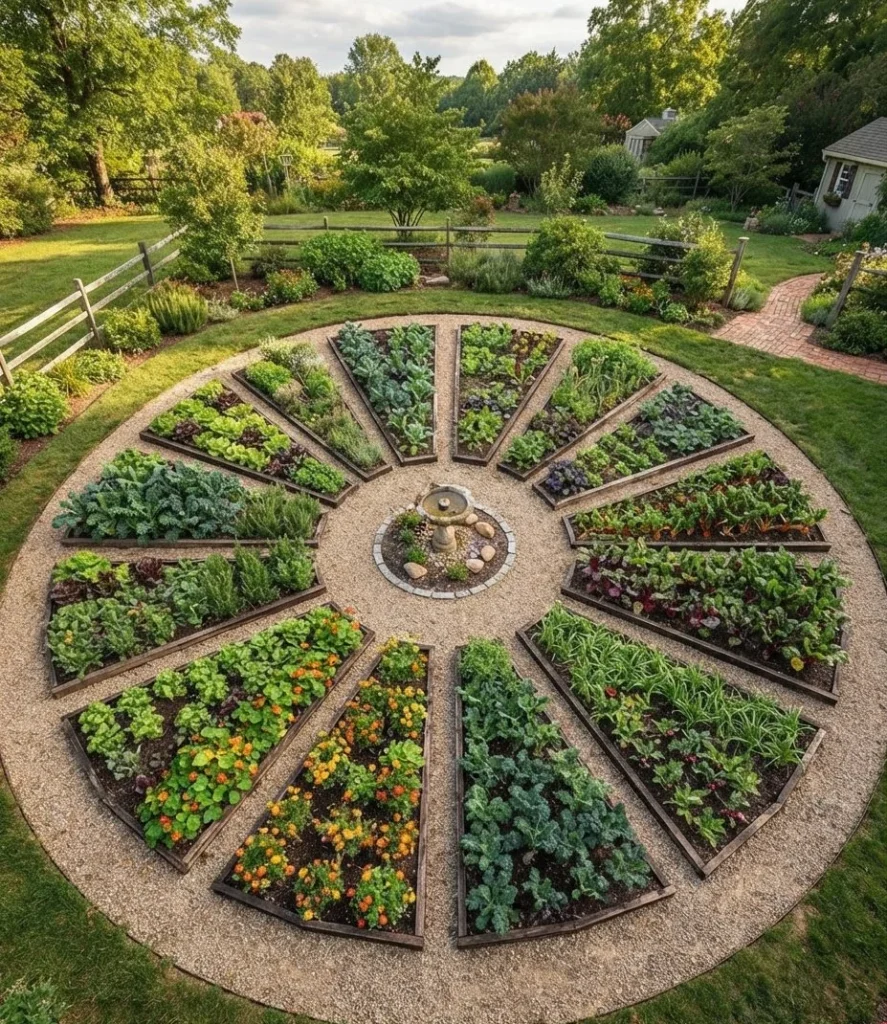
Wedge-shaped beds radiating outward from a central point, like slices of a wheel, create a genuinely beautiful layout that also happens to be remarkably efficient, every bed is reachable from its own narrow path without needing to step into the growing area at all. The circular form also naturally accommodates a central feature like a birdbath or small tree.
Keep individual wedges narrow enough at their widest outer edge for comfortable reach, roughly 3 to 4 feet, a wedge that widens too much genuinely becomes impossible to tend from the path alone.
12. Succession Planting Row Layout
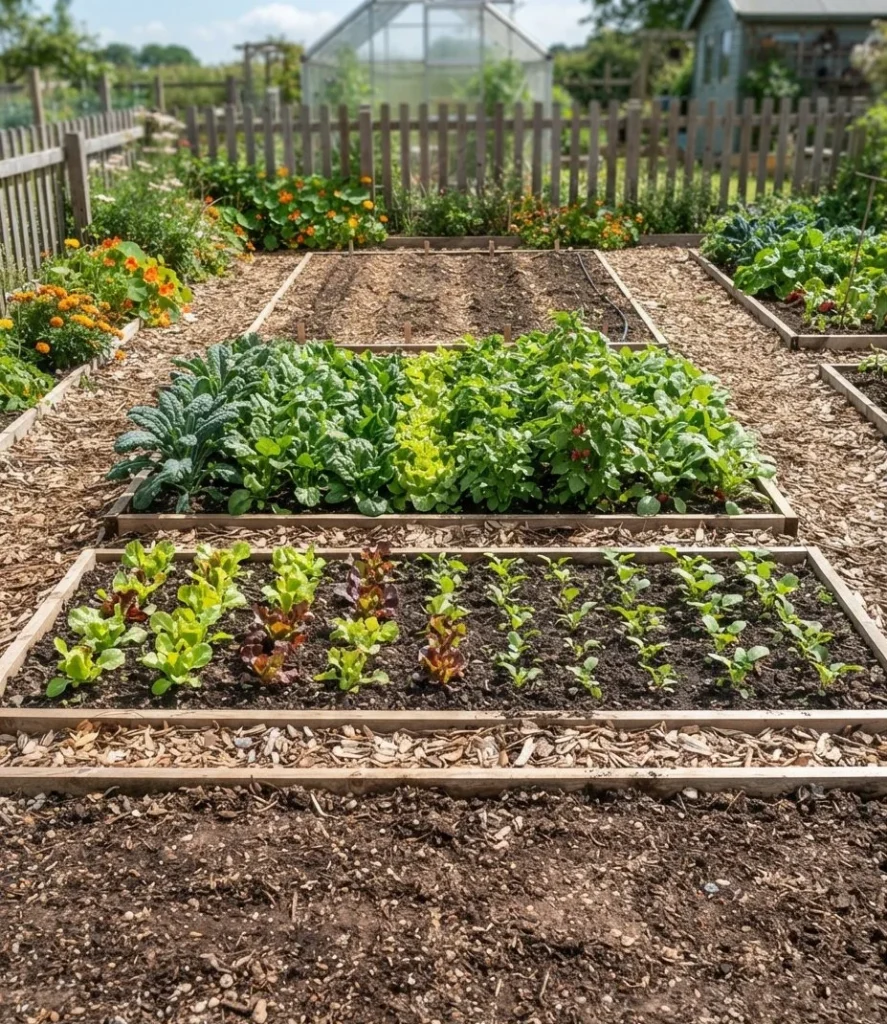
A row layout planted in staggered timing, a new short row of lettuce or radishes every 2 weeks rather than one large planting all at once, keeps a genuinely continuous harvest coming rather than one overwhelming glut followed by nothing. This is less about the physical bed shape and more about how you time what goes into it.
Reserve roughly 20 to 30 percent of your total row space as intentionally unplanted at any given time, this open space is what lets you actually start the next succession without waiting for an existing crop to finish first.
Final Thoughts
The best vegetable garden layout is the one that genuinely fits your actual space, sun exposure, and the amount of time you’ll realistically spend maintaining it, a mandala wheel looks stunning but demands more upfront building than a simple row garden most beginners find easier to start with. Match the method to your real constraints first, then let the layout’s specific spacing and companion planting rules guide what you plant where. For more on shaping the beds and paths themselves, our DIY front yard flower bed ideas guide covers construction techniques that apply directly to vegetable beds too. If you’re planning a container setup on a patio specifically, our patio landscaping ideas guide has more on working within that kind of space. And for fitting a vegetable garden into a broader yard plan, our backyard landscape ideas guide is a good next stop.
Frequently Asked Questions
Which vegetable garden layout is best for beginners?
The square foot garden grid is genuinely one of the easiest starting points, the per-square spacing math removes most of the guesswork around how much to plant where. A simple raised bed row layout is a close second, offering real soil control without the intensive planning the grid method requires.
How much space does a vegetable garden actually need?
A productive garden can start as small as a single 4-by-4-foot raised bed using the square foot method, or scale up to a quarter acre or more with traditional rows. Container grids work in spaces with zero ground access at all, so the honest answer depends entirely on which layout you choose.
What is companion planting and does it genuinely work?
Companion planting groups vegetables that benefit each other, like the Three Sisters method where beans fix nitrogen the corn needs. The science behind nitrogen fixing and physical support structures like the corn-as-trellis relationship is genuinely well documented, though some traditional companion pairings are based more on folklore than proven results.
How do you rotate crops in a small garden layout?
Divide your growing space into at least 3 to 4 zones and rotate plant families, not just individual crops, through each zone yearly. This genuinely reduces soil-borne disease and pest buildup that comes from planting the same family in the same spot season after season.
Can you combine multiple garden layouts in one yard?
Yes, many real gardens genuinely mix approaches, raised beds along one fence line, a container grid on the patio, and a small herb spiral near the kitchen door. Match each layout to the specific spot’s sun, access, and soil rather than forcing one method across the whole yard.