How to Prune Euphorbia: A Simple Guide for Healthy Growth
Euphorbia can turn leggy and uneven fast without regular trimming, but pruning it comes with one extra step most plants don’t require: handling its milky sap safely. Get that part right and the rest of the process is fairly simple.
This guide walks through 12 steps for pruning Euphorbia, from knowing your specific type to shaping potted plants and rejuvenating an older, woodier one.
1. Know Your Euphorbia Type First
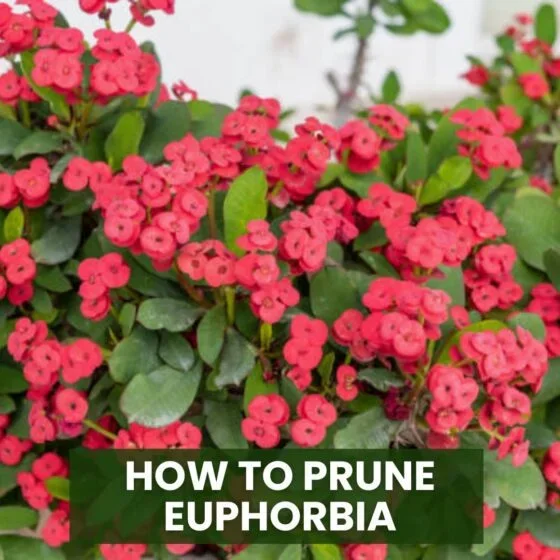
Euphorbia covers hundreds of species, from succulent types like Euphorbia trigona to shrubbier varieties such as Euphorbia characias. How much pruning a plant can tolerate depends heavily on which type you’re working with.
Nearly all of them share one trait worth knowing upfront: a milky white sap that irritates skin and eyes. Identifying your specific type helps you decide how hard you can cut back without stressing the plant.
2. Time It for Late Spring or Early Summer
The best window for pruning Euphorbia is right after its blooming period ends, usually late spring into early summer. This gives the plant plenty of time to heal and redirect energy into new growth.
Avoid pruning during winter dormancy. Cuts made then heal slowly and can leave the plant vulnerable to rot before it has the energy to recover properly.
3. Prepare Your Tools and Protective Gear
Use clean, sharp shears to make precise cuts rather than tearing through the stem. Disinfect the blades before and after each pruning session to keep disease from spreading between plants.
Because Euphorbia sap is toxic, gloves, long sleeves, and safety glasses are worth the extra minute it takes to put them on before you start cutting.
4. Handle the Sap Carefully as You Cut
Cutting a Euphorbia stem releases a white, latex-like sap almost immediately. Keep a paper towel or damp cloth nearby so you can wipe it away as you go, rather than letting it drip further down the plant.
Never touch your face or eyes while working, and wash your hands thoroughly once you’re done. If sap does reach your skin, rinse it off right away with cold water and mild soap.
5. Identify Which Stems Actually Need Cutting
Before making any cuts, look over the whole plant. Dead, yellowing, or damaged stems are the first priority, along with any branches that cross each other or grow inward toward the center.
For potted Euphorbia, also watch for stems growing too tall or bending outward past the pot’s edge. If you spot heavy yellowing across several stems rather than just one, it’s worth checking our guide on why plant leaves turn brown to rule out a watering or light issue first.
6. Make the Cut the Right Way
Start with dead or diseased stems, cutting them off at the base. Then move on to shaping, trimming overgrown branches just above a leaf node or joint rather than mid-stem.
Cut at a slight angle so water doesn’t pool on the wound afterward, and avoid cutting too close to the main stem, which can damage the plant’s overall structure.
7. Prune Potted Euphorbia a Little Differently
Potted Euphorbia tends to grow unevenly because of limited space and light coming from one direction, so it needs lighter but more frequent pruning than an in-ground plant.
Trim back leggy stems to keep the shape compact, and remove any shoots pressing against the pot’s edge. This keeps airflow open, which matters even more in a container than it does outdoors.
8. Treat the Cut Areas Once You’re Done
If sap is still oozing once you’ve finished cutting, dab a small amount of garden charcoal powder or sulfur dust onto the wound. This helps the cut seal faster and reduces the chance of fungal infection.
Let the plant rest somewhere shaded for a few days afterward before moving it back to its usual bright spot.
9. Dispose of or Propagate the Cuttings Safely
Skip the compost bin for Euphorbia trimmings, since the toxic sap doesn’t break down the way other plant matter does. Seal cuttings in a plastic bag and dispose of them in the trash instead.
If you’d rather propagate, let the healthy cuttings dry until a callus forms over the cut end, then plant them in well-draining soil. It’s a similar process to rooting geranium cuttings, covered in our geranium pruning guide, if you want a side-by-side comparison.
10. Water and Feed With a Light Touch Afterward
Water lightly after pruning to help the plant recover, since freshly cut roots and stems are more sensitive to excess moisture right after a trim. Let the top inch of soil dry before watering again.
Hold off on fertilizing for about two weeks. Feeding too soon asks the plant to grow before it’s finished healing from the cuts.
11. Maintain Shape With Regular Light Trims
Rather than one heavy trim a year, prune lightly every few months to keep the shape neat and manageable. This is especially useful for indoor plants that tend to grow unevenly toward the light.
Rotating the pot every week or two also helps growth stay even on all sides, reducing how much correction you need at each pruning session.
12. Rejuvenate an Old, Woody Plant
If your Euphorbia has grown woody or sparse over the years, a more drastic rejuvenation prune can bring it back. Cut about a third of the oldest stems close to the base, leaving younger stems untouched.
This encourages fresh growth from the bottom of the plant. Do this rejuvenation cut only once a year, ideally in spring. If the plant still looks weak weeks afterward, our guide on how to save a dying plant covers additional recovery steps.
Final Thoughts
Pruning Euphorbia comes down to timing, safe sap handling, and a light touch more often than one big cutback. Prune after blooming, protect your skin and eyes, and treat any lingering wounds before letting the plant rest.
Stick with regular, gentle trims and your Euphorbia should reward you with a fuller shape and steady, healthy growth throughout the year.
FAQ
When is the best time to prune Euphorbia?
Late spring to early summer, right after the blooming period ends, gives the plant the best chance to heal and push out new growth.
Is Euphorbia sap actually dangerous?
It can irritate skin and eyes on contact, so gloves, long sleeves, and eye protection are worth wearing while you prune.
Can I compost Euphorbia cuttings?
No, the sap is toxic and doesn’t break down safely in compost. Seal cuttings in a bag and dispose of them in the trash.
How often should potted Euphorbia be pruned?
Light, frequent trims work best for container plants since they tend to grow unevenly due to limited light and space.
Should I fertilize right after pruning?
Wait about two weeks. Feeding too soon asks the plant to grow before it has finished healing from the cuts.
How do I revive an old, woody Euphorbia?
Cut about a third of the oldest stems back to the base in spring, leaving younger stems intact to encourage fresh growth from below.