14 Rubber Plant Pruning Tips for a Fuller, Healthier Ficus Elastica
In my years of working with indoor tropical plants, Rubber Plants are one of the easiest to love and one of the easiest to let get away from you. Left alone, a healthy Ficus elastica will happily grow tall, leggy, and lopsided toward whatever window gets the most light. Pruning is what turns that gangly growth into the full, glossy showpiece most people picture when they think of this plant.
This guide covers everything from correct timing to shaping techniques and what to do with your trimmings afterward, so your Rubber Plant stays lush and manageable all year.
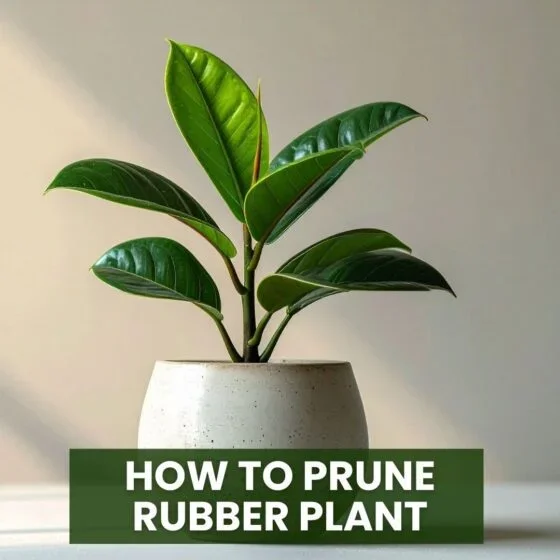
1. When to Prune a Rubber Plant
Timing has a real effect on how quickly your plant bounces back. The best window is spring or early summer, right in the middle of its active growing season, when it can recover and push out new leaves fast.
Avoid heavy pruning in winter, since growth slows down and recovery takes noticeably longer. Light trims mid-season are fine if the plant is getting too tall or uneven, just make sure it looks healthy before you cut anything.
2. Tools You Will Need
Rubber Plant pruning does not call for anything specialized. Sharp, clean pruning shears or scissors handle the job, and sterilizing them with alcohol wipes before and after use keeps infections from spreading through the cuts.
Gloves are worth wearing if your skin is sensitive, since the plant’s sap can irritate it, and keeping paper towels nearby makes it easy to dab away the sap as you work.
3. Identify What Actually Needs Trimming
Before making any cuts, walk around the plant and take stock. Look for leggy stems that have stretched out with bare space between leaves, any damaged or yellowing leaves, and branches that are growing out of the plant’s overall shape.
Marking these areas mentally before you start cutting helps you avoid the common trap of pruning reactively, one branch at a time, without a sense of the bigger picture.
4. Cut Just Above a Node
Nodes are the points along the stem where leaves emerge, and they are exactly where you want your cuts to land. Cutting slightly above a node encourages the plant to branch out from that point instead of just growing taller in a single direction.
This is the single most important technique in the whole process. Get this right and the rest of pruning is mostly a matter of deciding how much to remove.
5. Shape for Symmetry Without Overdoing It
Once you have your problem areas identified, trim evenly around the plant to keep the overall shape balanced rather than heavier on one side. Step back periodically as you work to check your progress from a distance.
Resist the urge to remove more than a third of the plant in one session. Cutting too much at once shocks the plant and slows down its recovery instead of speeding up the fuller growth you are aiming for.
6. Handling the Sap Safely
You will notice a white, sticky sap leaking from the cuts as you prune, which is completely normal for this plant. Wipe it away gently with a paper towel rather than letting it drip onto leaves or furniture.
If your skin tends to react to plant sap, gloves are worth wearing throughout the whole process, not just for the bigger cuts.
7. Why Pruning Actually Benefits the Plant
Pruning is not just about appearance. Cutting top or side stems triggers new shoots, which is what turns a single sparse stalk into a genuinely bushy plant over time.
It also keeps height manageable, since Rubber Plants can grow past eight feet indoors if left alone, removes damaged leaves before disease has a chance to spread, and improves air circulation between branches so light reaches the inner leaves.
| Benefit | How Pruning Helps |
|---|---|
| Fuller growth | Triggers new shoots at cut points |
| Manageable height | Keeps growth in check indoors |
| Air circulation | Light reaches inner leaves |
8. Shaping Tips: Tall vs. Bushy
Pruning gives you real control over how your plant grows, not just how tall it gets. For a tall, single-stem look, trim only the side branches and leave the main stem alone, which keeps the plant sleek and upright.
For a bushier plant, prune the top stem instead, which pushes the plant to send out new side shoots. Either way, go slowly over multiple sessions rather than trying to force the final shape in one sitting.
9. Handling an Overgrown Rubber Plant
A mature Rubber Plant can outgrow its space faster than expected. When that happens, strategic pruning brings it back under control rather than starting over with a new plant.
Start by removing the tallest stems throwing off the plant’s balance, older bottom leaves that no longer look healthy, and any crossing branches blocking light. If it is extremely tall, cutting the main stem back to your desired height works too. New shoots typically appear from below the cut within a few weeks, forming a denser canopy.
10. Propagate Your Cuttings Instead of Tossing Them
Trimmings from a healthy Rubber Plant are not waste, they are new plants waiting to happen. Cut a six-inch section with at least two leaves, dip the cut end in rooting hormone, and place it in water or moist soil.
Keep the cutting in indirect light while roots develop, which usually takes four to six weeks. It is an easy way to expand your indoor collection or pass plants along to friends without spending anything extra.
11. Post-Pruning Care
After pruning, water lightly for the first week since the cut stems are still healing and do not need extra moisture stress. Wiping the leaves down with a damp cloth removes dust and helps the plant photosynthesize more efficiently while it recovers.
Keep it in bright, indirect light to support new growth, and hold off on fertilizing until about a month after pruning, once the plant has had time to settle. If you notice drooping or minor leaf loss in the first week or two, that usually resolves on its own as the plant adjusts.
12. Common Mistakes to Avoid
A few habits cause more setbacks than most people expect. Cutting too close to a node can damage the very growth point you are trying to encourage, so leave a small margin above it.
Pruning during dormancy in winter slows recovery considerably, skipping tool sterilization risks spreading disease between cuts, and over-pruning in one session weakens the plant rather than helping it. Slowing down avoids all four at once.
13. How Often You Should Actually Prune
Rubber Plants do not need frequent pruning to stay healthy. Once or twice a year is typically enough, with minor trims added in whenever you notice overgrowth or unhealthy leaves between sessions.
Spring and early summer pruning encourages the strongest regrowth, while a light trim in late summer helps maintain shape heading into the slower winter months. If the plant starts leaning or growing unevenly, that is usually your sign it is time again.
| Season | Purpose |
|---|---|
| Spring / Early Summer | Main pruning, strongest regrowth |
| Late Summer | Light shape maintenance |
14. Encourage Growth After Pruning
Once your Rubber Plant has recovered, a few ongoing habits keep new growth coming steadily. Rotate the plant every few weeks so all sides get equal light, since plants left facing one direction tend to grow lopsided over time.
Feed with a balanced fertilizer monthly during the growing season, repot every two to three years to refresh the soil, and mist occasionally or run a humidifier nearby if your home tends to run dry. If you are already thinking about how plants fit into your broader indoor and outdoor spaces, our perennial garden layout ideas apply the same principle of giving each plant room and consistent care to actually thrive.
Final Thoughts
Pruning a Rubber Plant is a simple habit that pays off in a much fuller, more balanced houseplant. Time your cuts for the growing season, cut just above the nodes, and hold back from removing too much at once.
Do that consistently and your Ficus elastica will reward you with the glossy, dense foliage that makes this plant such a favorite in the first place. If you enjoy shaping and caring for plants like this indoors, our garden edging ideas and painted rock garden ideas are worth exploring next for the outdoor side of your space.
FAQ
When is the best time to prune a Rubber Plant?
Spring through early summer, during active growth, when the plant recovers fastest from cuts.
Why does my Rubber Plant leak white sap when I prune it?
That is normal latex sap. Wipe it away gently with a paper towel and wear gloves if your skin is sensitive.
How much of the plant can I safely cut at once?
No more than about one-third in a single session, to avoid shocking the plant and slowing recovery.
Can I grow a new plant from my pruned cuttings?
Yes. A 6-inch cutting with at least two leaves will root in water or moist soil within 4 to 6 weeks.
How often does a Rubber Plant actually need pruning?
Once or twice a year is typically enough, with small trims added as needed when growth looks uneven.