How to Save Your Plants From Ants: 13 Natural Ways That Work
A few ants crawling around a plant pot seem harmless at first, but left alone, they can disturb the soil, protect pests like aphids, and slowly weaken root health. Most infestations start small and grow before anyone notices.
This guide covers 13 natural, safe ways to get ants away from your plants, both indoors and outdoors, without reaching for harsh chemicals that could harm the plant itself.
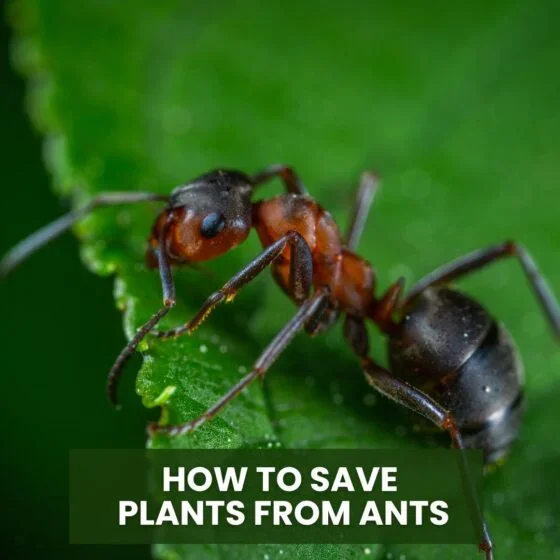
1. Understand Why Ants Are Attracted to Your Plants
Before treating the problem, it helps to know what’s actually pulling ants in. They usually show up looking for moisture, sweet residue, or other pests they can farm for food.
Once the environment suits them, they build nests that disturb the soil structure and put stress on the root system. Knowing the cause makes it easier to pick the right fix and stop them from coming back.
2. Check for Aphids and Sap-Sucking Pests First
Ants and aphids often work together. Aphids and mealybugs produce a sweet substance called honeydew, and ants will keep returning to feed on it no matter how many barriers you put up.
Check the underside of leaves, stems, and new growth for sticky residue or clusters of tiny insects. This same sap-sucking damage can eventually show up as leaf discoloration too, so it’s worth cross-checking with our guide on why plant leaves turn brown if you’re seeing both issues at once.
3. Flush the Soil to Clear Ant Tunnels
If ants have tunneled inside the soil, roots can become exposed or stressed without you noticing right away. A slow soil flush is a gentle way to clear them out.
Mix a little mild soap into water and pour it through the soil slowly, letting it drain fully from the bottom. This pushes ants out and loosens any compacted areas their tunnels left behind.
4. Spray Soapy Water Around the Base
For mild infestations, a simple soapy water spray disrupts an ant’s ability to breathe and move, which is usually enough to send them elsewhere.
Spray the mixture around the pot edges, soil surface, and any spot where you’ve noticed ants gathering. It stays gentle on most plants when used in moderation, but avoid soaking the same spot repeatedly.
5. Create a Barrier With Cinnamon or Turmeric
Ants strongly dislike the smell of both cinnamon and turmeric, which makes either one an easy, chemical-free barrier. Sprinkle a light layer around the base of the plant or across the topsoil.
It’s a pet-friendly option that also happens to help with mild fungal issues in the soil, making it a nice two-in-one fix for indoor pots.
6. Apply Diatomaceous Earth for Tougher Infestations
Food-grade diatomaceous earth is one of the more effective options for larger infestations. It’s safe around plants but works by drying out an ant’s outer shell on contact.
Coat the soil surface, pot rims, or garden edges with a thin layer. It performs best in dry conditions, so reapply after rain or heavy watering for outdoor beds.
7. Set Up Sticky Traps and Powder Barriers
Ants follow scent trails, so blocking their path is often enough to keep them from reaching your plants at all. Sticky traps placed around the pot catch ants before they climb into the soil.
A ring of chalk or baby powder around the base works the same way by disrupting their scent trail, making it a light, mess-free option for a sudden indoor infestation.
8. Break Ant Trails With a Vinegar Spray
Ants navigate using pheromone trails, and vinegar is remarkably good at wiping those trails out. Mix equal parts vinegar and water and spray it on floors, shelves, and surfaces near your indoor plants.
This breaks their navigation system, making it much harder for them to find their way back to the same spot. Just keep vinegar off the leaves themselves, since it can burn tender foliage.
9. Fix Watering Habits to Reduce Nesting
Overly dry soil often attracts ants looking for a warm, comfortable place to nest. Keeping moisture levels even, rather than letting the soil dry out for long stretches, makes your pots far less inviting to them.
Getting this balance right also plays a bigger role in overall plant recovery, which our guide on how to save a dying plant covers in more detail if your plant is showing other signs of stress too.
10. Seal Entry Points Around Indoor Areas
Indoor ant problems often start from tiny cracks or gaps along walls, windowsills, or floors near where plants sit. Sealing these entry points blocks new colonies before they ever reach your plants.
Even small repairs make a noticeable difference over time, especially when paired with the natural repellents already covered above.
11. Repot When the Colony Runs Deep
Some infestations go deeper than any spray or barrier can reach. When that happens, a fresh start is usually the most reliable fix.
Remove the plant from its pot, shake off the old soil completely, and repot using clean soil in a sanitized container. This restores root health and removes any hidden nest sitting inside the base.
12. Add Ant-Repelling Herbs and Citrus Around the Garden
Outdoor beds benefit from companion plants like mint, rosemary, basil, and lavender, all of which naturally keep ants away through their strong scent while adding to the look of your garden.
Scattering orange or lemon peels around the soil works the same way, and breaks down into mild nutrients over time. If you’re already tending flowering perennials outside, our guide on how to prune echinacea shares more ways to keep those beds healthy alongside this kind of natural pest control.
13. Stay Consistent With Cleaning and Monitoring
Ant control rarely works as a one-time fix. Food residue, sticky surfaces, and fallen sap all attract new ants quickly, even after a successful treatment.
Wipe down shelves, trays, and pot edges regularly, and check your plants weekly for early signs of a new trail or nest. Staying consistent is what keeps a treated infestation from quietly coming back.
Final Thoughts
Ants around your plants are manageable once you understand what’s drawing them in and remove that reason first. Between soil flushes, natural barriers, and a little consistency, most infestations clear up without needing anything harsh.
Pair these steps with regular monitoring and your plants, and the soil around them, should stay ant-free for the long run.
FAQ
What smell keeps ants away from plants?
Ants strongly dislike cinnamon, turmeric, vinegar, and citrus scents, all of which work as natural, chemical-free repellents.
Is diatomaceous earth safe for plants?
Yes, food-grade diatomaceous earth is safe for plants and pets while still being effective against ants and other crawling insects.
Why do ants keep coming back to the same plant?
They’re often farming aphids or other sap-sucking pests for honeydew, so the ants won’t fully leave until that pest problem is resolved.
Should I repot a plant with an ant infestation?
Only if the colony is deep inside the soil and other treatments haven’t worked. A full soil and pot change clears out hidden nests completely.
Can overwatering or underwatering attract ants?
Yes, overly dry soil is especially attractive to ants looking for a warm nesting spot, so consistent moisture helps keep them away.
Do ants actually damage plants directly?
Not usually on their own, but their tunneling disturbs roots and soil structure, and they often protect pests that do cause direct damage.