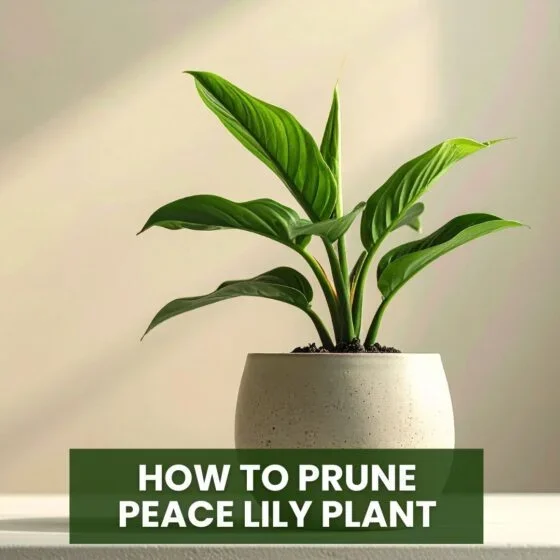
20 Peace Lily Pruning Tips for a Healthier, Fuller Plant
In my years of working with indoor flowering plants, Peace Lilies are one of the most forgiving houseplants you can own, right up until the yellow leaves and faded blooms start piling up unnoticed.
Left alone too long, a plant that should look glossy and balanced starts looking tired and uneven instead.
The good news is that Peace Lilies respond quickly to a proper prune. This guide covers timing, tools, technique, and the bigger rejuvenation steps for a plant that has gotten away from you.
1. Why Pruning a Peace Lily Actually Matters
Removing old leaves, spent blooms, and damaged stems lets the plant redirect its energy toward new growth instead of maintaining parts that are already declining. Regular pruning is also what keeps a Peace Lily compact and full rather than leggy and sparse over time.
2. When to Prune for the Best Recovery
Spring through early fall is the ideal window for major pruning, since the plant is actively growing and recovers quickly during this stretch. Dead or yellowing leaves are the exception and can be removed anytime, since leaving them in place mostly invites rot and pests.
3. Tools You Will Need
A short tool list handles everything here. Sharp pruning shears or scissors give clean cuts that heal faster, a clean cloth helps with wiping leaves afterward, and rubbing alcohol sterilizes blades before and after each session to keep bacteria or fungus from spreading.
4. Identify What Actually Needs Pruning
Take a careful look before cutting anything. Yellow, brown, or wilted leaves are the first candidates, along with any spent blooms that have started turning green or brown instead of staying white. Removing these parts directs the plant’s energy back toward healthy new growth.
5. Remove Yellow or Dead Leaves at the Base
Cut yellow or brown leaves at the base of the stem, close to the soil line, using sharp, clean shears to avoid tearing rather than cutting. These discolored leaves are usually just older growth or a sign of mild stress, and removing them improves air circulation around the rest of the plant.
6. Prune Spent or Faded Flowers
Once the white blooms start fading, cut the entire flower stem down to the base rather than just trimming off the top of the bloom. This stops the plant from wasting energy on seed production and encourages it to focus that energy on new leaves and future flowers instead.
7. Trim Leggy or Uneven Growth
If your Peace Lily starts leaning or looking lopsided, trim the longer stems back to restore balance. Make your cuts just above a leaf node, which encourages bushier regrowth rather than a single stem stretching out on its own.
8. Clean and Wipe the Leaves
Right after pruning is a good time to clean the remaining leaves too. Use a damp microfiber cloth to gently wipe both sides of each leaf, removing dust and dirt buildup that accumulates over time without most people noticing.
Clean leaves absorb more light, which genuinely helps the plant stay vibrant and recover faster from the cuts you just made.
9. Rejuvenate an Overgrown Peace Lily
If your plant has grown large and genuinely unruly, a harder prune may be necessary. Cut back a few of the oldest stems near the base to make room for fresh shoots, and consider dividing the plant at the roots if it has clearly outgrown its pot.
| Condition | Action |
|---|---|
| Overgrown, dense | Cut oldest stems near the base |
| Outgrowing the pot | Divide the plant at the roots |
10. Prune to Prevent Disease and Pests
Peace Lilies can occasionally develop fungal leaf spots or attract pests, and removing affected leaves as soon as you notice them stops the problem from spreading further. Discard the diseased material away from your other houseplants rather than tossing it nearby.
11. After-Pruning Care
Once pruning is done, water lightly to help the plant recover and move it to a spot with bright, indirect sunlight. Hold off on fertilizing for about a week so the plant can heal from the cuts before adding anything extra into the mix.
12. Encourage New Growth After Pruning
A balanced houseplant fertilizer every four to six weeks during the growing season helps stimulate new leaves and future blooms. Keep the soil slightly moist but never soggy, since consistent, moderate watering supports healthy growth far better than occasional heavy soakings.
13. Avoid Over-Pruning the Plant
Pruning genuinely helps a Peace Lily, but overdoing it works against you. Avoid cutting more than about one-third of the plant at a time, since removing too many leaves at once can shock it and slow down regrowth considerably.
14. Dealing With Brown Leaf Tips
Brown tips usually come from dry air, fluoride in tap water, or over-fertilizing rather than a serious problem. You can trim just the brown edges off each leaf without removing the entire leaf, following its natural shape with sterilized scissors for a clean, neat result.
15. Dividing a Peace Lily While Pruning
If your plant looks crowded or has developed multiple clusters of stems, it may be time to divide it. Gently remove it from the pot, separate the root ball into smaller sections, and repot each one individually to prevent overcrowding going forward.
16. How to Prune Peace Lily Roots
While repotting, inspect the roots for dark, mushy, or heavily tangled areas. Trim away unhealthy roots with clean scissors, leaving only the firm, white ones intact. Root pruning improves soil aeration and encourages stronger new root development afterward.
17. Regular Maintenance Between Full Pruning Sessions
You do not need to wait for a full pruning session to keep the plant looking its best. Remove yellow leaves, wilted flowers, or fallen debris weekly, and wipe the leaves every few days to prevent dust buildup and support easier respiration.
18. Signs It Is Time to Prune Again
Watch for drooping, an increase in yellow leaves, or a noticeable pause in blooming. Any of these signs points to another light prune being due. Staying observant helps you catch small problems before they affect the plant’s overall health more seriously.
19. Common Mistakes to Avoid
Cutting through healthy green leaves unnecessarily wastes plant tissue the Peace Lily could still use. Dull or dirty tools tear rather than cut cleanly, and pruning right after repotting or fertilizing can overwhelm a plant already dealing with change. Being patient avoids all three at once.
20. How Pruning Improves Indoor Air Quality
A well-maintained Peace Lily does more than look good. It genuinely helps filter toxins like formaldehyde and benzene from indoor air, and regular pruning keeps it active and growing so it can perform that natural air-cleaning function more efficiently in your home.
If you enjoy caring for plants that do double duty indoors and out, our perennial garden layout ideas apply the same principle of giving each plant room and consistent care to actually thrive.
Final Thoughts
Pruning a Peace Lily is a simple habit that pays off in a fuller, healthier plant and cleaner indoor air alongside it. Remove what is fading, cut cleanly at the base or above a node, and give the plant a little aftercare once you are done.
Stay consistent with that rhythm and your Peace Lily will keep rewarding you with glossy leaves and steady white blooms all year long. If you are building a broader plant care routine at home, our garden edging ideas and painted rock garden ideas make good companion reading for the outdoor side of your space.
FAQ
When is the best time to prune a Peace Lily?
Spring through early fall, while the plant is actively growing and recovers from cuts the fastest.
Should I cut a faded bloom at the top or the base of the stem?
Always cut the entire flower stem down to the base, not just the top of the faded bloom.
How much of the plant can I safely prune at once?
No more than about one-third at a time, to avoid shocking the plant and slowing regrowth.
Why does my Peace Lily have brown leaf tips?
Usually dry air, fluoride in tap water, or over-fertilizing. Trim just the brown edges rather than the whole leaf.
When should I divide my Peace Lily instead of just pruning it?
When it looks crowded with multiple stem clusters or has clearly outgrown its current pot.