12 Philodendron Pruning Tips for a Fuller, Healthier Plan
In my years of working with indoor plants, Philodendrons are some of the most forgiving houseplants you can own, right up until they start stretching toward the nearest window and losing their shape.
Left alone, that lush, easy-going plant slowly turns leggy and sparse, and most people assume that is just how Philodendrons age.
It is not. Regular pruning is what keeps a Philodendron full and compact instead of thin and stretched out. This guide walks through timing, tools, and technique so your plant stays lush all year.

1. Why Pruning Your Philodendron Actually Matters
Pruning does more than tidy up appearances. Removing dead or yellowing leaves and cutting back leggy stems stimulates the plant to push out new growth from lower points instead of just reaching upward. That redirected energy is what keeps a Philodendron compact rather than sparse.
2. When to Prune for the Best Results
Spring and early summer are the best windows for pruning, since the plant is actively growing and recovers from cuts quickly during this stretch. Avoid heavy pruning in winter, when growth naturally slows and the plant takes longer to bounce back.
Damaged or diseased leaves are the exception. Those can come off any time you spot them, just save the bigger shaping cuts for the growing season.
3. Tools You Will Need
Keep it simple. Sharp pruning shears or scissors give clean cuts that heal faster than a dull blade tearing through stems. Rubbing alcohol sterilizes your tools before and after use, which matters more than people expect for preventing disease spread between plants.
Gloves are worth wearing too, since Philodendron sap can irritate sensitive skin during longer pruning sessions.
4. Identify What Actually Needs Trimming
Walk around the plant before making any cuts and look for yellow or brown leaves, along with stems that have stretched out noticeably farther than the rest of the plant. Marking these spots first keeps you from pruning reactively, one leaf at a time, without a clear sense of the bigger picture.
5. Cut Just Above a Leaf Node
Nodes are where new growth actually emerges, which makes them the single most important spot to aim for when pruning. Cutting slightly above a node encourages the plant to branch out from that exact point instead of leaving a bare stem with nowhere for new leaves to form.
6. Trim Leggy Growth for a Fuller Plant
Leggy stems usually mean the plant has been stretching toward a light source. Cut these back to the nearest healthy node, and consider moving the plant to a spot with brighter indirect light afterward, since that combination is what actually prevents the legginess from returning right away.
7. Shape the Plant for Symmetry
Once the obvious problem stems are handled, step back and look at the plant’s overall shape. Trim longer vines evenly around the sides and remove anything growing in an odd direction, which keeps the whole plant looking balanced instead of heavier on one side.
| Issue | Fix |
|---|---|
| Thin, uneven shape | Trim longer vines to encourage branching |
| Growth in odd directions | Remove stems that break the plant’s symmetry |
8. Post-Pruning Care
Once you have finished cutting, water lightly and only once the top inch of soil has dried out. Keep the plant in bright, indirect sunlight to support new growth, and hold off on fertilizing for at least two weeks so it has time to recover before you add anything extra.
9. Common Mistakes to Avoid
Over-pruning is the mistake that trips people up most, since removing too many leaves in one session stresses the plant more than a slower, more gradual approach would. Dull or dirty tools cause a similar problem, crushing stems instead of cutting them cleanly, which slows healing and invites disease.
10. Propagate Your Cuttings Instead of Tossing Them
Healthy trimmings do not need to go to waste. Take a cutting with at least two nodes, place it in water or moist soil, and wait for roots to develop. It is a simple way to grow your collection further or share a piece of the plant with a friend.
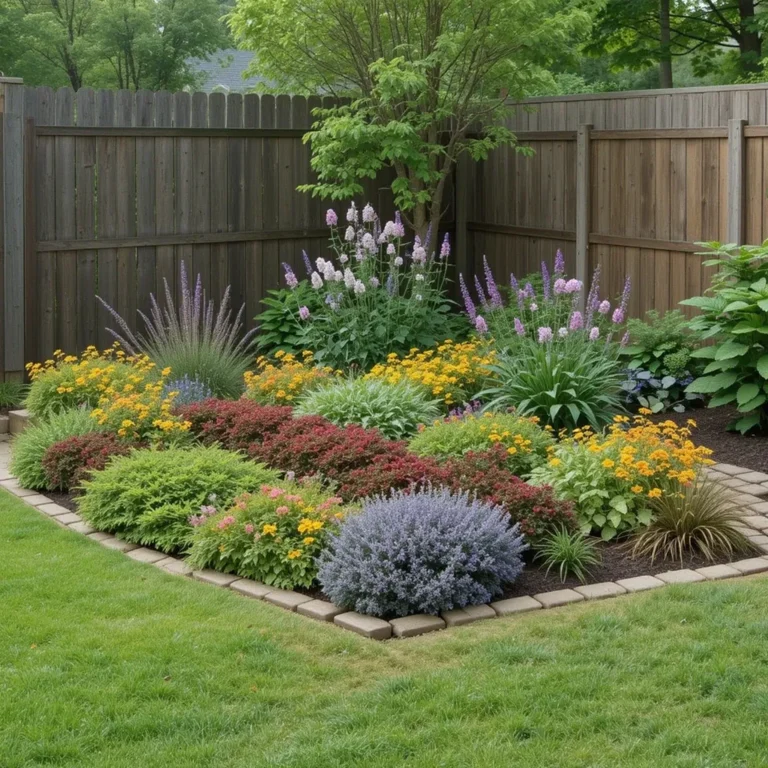
If you enjoy propagating and shaping plants indoors, our perennial garden layout ideas apply the same principle outdoors, giving each plant room and consistent care to actually thrive.
11. When to Hold Off on Pruning
Skip pruning if your Philodendron was recently repotted or is adjusting to a new environment, since it needs a few weeks to settle before handling the added stress of cuts. Drooping or wilting leaves usually point to a watering or lighting issue rather than something pruning will fix.
12. Maintaining a Healthy Philodendron Year-Round
A light trim every few months keeps a Philodendron from ever getting seriously overgrown in the first place. Wiping leaves down occasionally helps the plant breathe better, and rotating the pot every so often ensures growth stays even on all sides instead of leaning toward one window.
If you are building out a broader plant care routine at home, our garden edging ideas and painted rock garden ideas make good companion reading for the outdoor side of your space.
Final Thoughts
Pruning a Philodendron is one of those small habits that pays off far more than the effort it takes. Cut just above the nodes, time your bigger sessions for the growing season, and give the plant a little aftercare once you are done.
Stick with that rhythm and your Philodendron will keep rewarding you with the full, lush look that made it such a popular houseplant in the first place.
FAQ
When is the best time to prune a Philodendron?
Spring and early summer, while the plant is actively growing and recovers from cuts the fastest.
Why does my Philodendron look leggy and thin?
It is usually stretching toward a light source. Trim leggy stems back and move the plant to brighter indirect light.
Can I grow a new plant from my pruned cuttings?
Yes. A cutting with at least two nodes will root in water or moist soil within a few weeks.
How much of the plant can I safely cut at once?
Trim gradually rather than removing large portions at once, since over-pruning stresses the plant more than a slower approach.
Should I prune a Philodendron right after repotting?
No. Give it a few weeks to settle into its new pot or environment before making any cuts.