13 Gazania Pruning Tips for Nonstop Sunny Blooms
In my years of working with sun-loving bedding plants, gazanias are one of the most rewarding flowers to keep on a regular pruning schedule. Skip it for a few weeks and the plant does not stop growing, it just stops looking its best, with spent blooms piling up and stems sprawling in every direction.
The good news is that gazania pruning is simple once you build the habit. This guide covers everything from deadheading through the growing season to the bigger cutback that gets your plants ready for the next one.
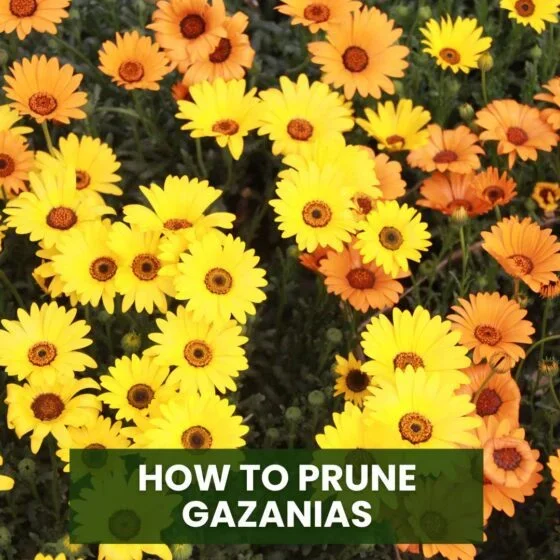
1. When to Prune Gazanias Through the Season
Gazanias do not follow one single pruning date, they need attention at a few different points across the growing season. Spent blooms should come off regularly throughout flowering to keep new flowers coming.
Light pruning during peak summer months maintains shape and clears out damaged leaves, while a heavier cutback at the end of the season, usually late fall or early winter, prepares the plant for dormancy. Treating these as three separate small habits rather than one big task keeps the plant looking its best all year.
2. Tools You Will Need
Gazania pruning stays simple with just a few basic tools. Sharp pruning shears cut stems cleanly without crushing them, which matters more than it sounds since crushed stems heal slower and invite disease.
Gloves protect your hands from rough leaves, and a small rake or hand brush makes quick work of clearing fallen petals and leaves once you are done cutting.
3. Remove Spent Blooms Regularly
Deadheading is the single most important habit for keeping gazanias in constant bloom. Identify flowers that have wilted or faded, hold the stem near its base, and snip just above a healthy leaf or side shoot.
Removing old blooms stops the plant from wasting energy on seed formation and redirects that energy straight into producing new flowers instead. This is the task worth doing most often out of everything on this list.
4. Trim Back Leggy Stems
Gazanias tend to sprawl outward, especially in full sun where they grow most vigorously. Cutting back long, leggy stems brings the plant back to a compact, rounded shape that holds up better through the season.
Trim just above a leaf node, the same point that encourages branching in most flowering plants. This one small habit turns a sprawling clump into a fuller, tidier mound over just a few weeks.
5. Cut Away Damaged or Diseased Leaves
Yellowing, damaged, or diseased leaves need to come off at the base as soon as you spot them. Leaving them in place gives disease a foothold and blocks airflow around the rest of the plant.
Clearing this material away improves air circulation right away and lets the plant put its resources toward healthy foliage instead of struggling parts it cannot recover.
6. Thin Out Overcrowded Growth
A dense gazania clump can start working against itself, blocking light and air from reaching the center of the plant. Thinning out stems solves this by opening space for light and airflow to actually reach in.
Remove weaker stems and any that grow inward toward the center of the clump rather than outward. This step reduces fungal issues while giving the plant a noticeable boost in flowering. If you are shaping other beds in the same garden, our perennial garden layout ideas follow the same principle of thinning for airflow rather than crowding plants together.
7. Perform a Hard Cutback at Season’s End
As the growing season winds down, gazanias benefit from a more significant trim than the light maintenance you have been doing all summer. Cut back about a third of the plant to remove old stems and prepare it for cooler months ahead.
This bigger cutback helps the plant conserve energy through dormancy so it comes back stronger and fuller once the next growing season starts.
| Season | Pruning Task |
|---|---|
| Growing season | Deadheading, light shaping |
| Late fall / early winter | Cut back about one-third |
8. Clean Up Debris After Every Session
Once you have finished pruning, gather up fallen petals, leaves, and stems rather than leaving them scattered in the bed. This debris can harbor pests or disease if it sits around the base of the plant too long.
This small step turns a good pruning session into a genuinely healthy one, since a clean bed gives fewer places for problems to take hold before your next round of maintenance.
9. Fertilize After Pruning to Support Regrowth
Once pruning is complete, a balanced, slow-release fertilizer gives the plant what it needs to push out new growth without overwhelming it. This nutrient boost supports flowering right when the plant is ready to use it.
Time this step right after your pruning session rather than waiting, since the plant responds best to feeding while it is actively working to regrow.
10. Mulch for Moisture and a Finished Look
A thin layer of mulch around the base of your gazanias does double duty. It helps retain soil moisture between waterings and suppresses weeds that would otherwise compete for the same nutrients.
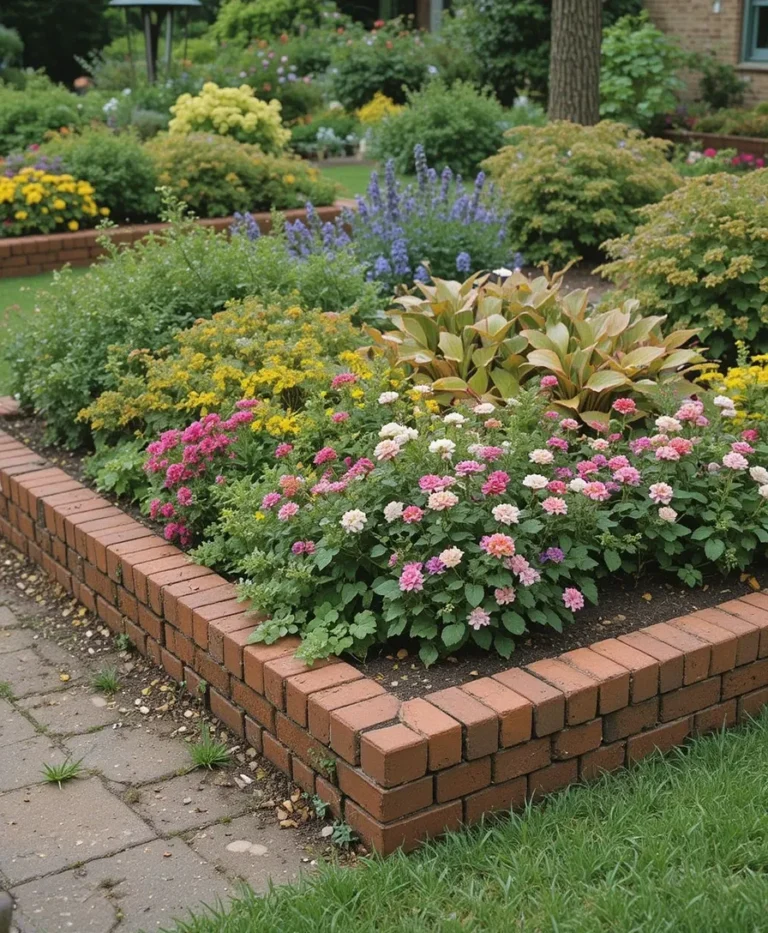
It also gives the bed a clean, finished look once your pruning session is done, which matters more than people expect when gazanias are planted along a visible border. Our lawn stone edging ideas pair naturally here, since a defined edge makes mulch and pruning debris much easier to manage in the same bed.
11. Prune in the Morning When Possible
Timing your pruning sessions for morning hours reduces stress on the plant compared to cutting during the heat of the day. The cooler temperatures and higher humidity of early morning give fresh cuts a gentler environment to start healing in.
This is a small adjustment, but it adds up over a season of regular deadheading and light trims, especially in hot summer climates.
12. Keep Your Tools Sharp
Dull shears crush stems instead of cutting them cleanly, and those crushed edges heal slower while leaving more opportunity for disease to enter the wound. Keeping your shears sharp is a small maintenance habit with an outsized effect on plant health.
Wipe blades down between sessions too, especially if you are moving between different plants in the same garden bed.
13. Build a Regular Maintenance Rhythm
Gazanias respond best to light, consistent attention rather than occasional big pruning sessions. Deadheading and light shaping every one to two weeks keeps blooms coming steadily throughout the season without ever letting the plant get away from you.
Watch sunlight exposure too, since gazanias thrive in full sun and pruned areas need to keep receiving that same light for new growth to come in strong. If you enjoy planning color and texture across a full bed, our painted rock garden ideas make a colorful, low-maintenance companion planting alongside gazanias.
Final Thoughts
Gazania pruning is less about one correct technique and more about staying consistent with a few simple habits. Deadhead often, keep stems from sprawling, and give the plant a proper cutback as the season winds down.
Stick with that rhythm alongside good sunlight and steady watering, and your gazanias will keep the garden looking sunny and full of color for the whole season.
FAQ
How often should I deadhead gazanias?
Check every 1 to 2 weeks during the growing season and remove any faded blooms as you find them.
When should I do the big end-of-season cutback?
Late fall or early winter, trimming back about one-third of the plant to prepare it for dormancy.
Do gazanias need pruning in summer too?
Yes, light pruning during peak flowering keeps shape and removes any damaged leaves along the way.
What is the best time of day to prune gazanias?
Morning, since cooler temperatures and higher humidity reduce stress on freshly cut stems.
Why do my gazanias look sparse in the middle?
Overcrowded growth blocks light and air from the center. Thinning weak or inward-growing stems usually fixes this.