13 Ixora Pruning Tips for a Fuller, More Colorful Shrub
In my years of working with flowering shrubs in warm climates, Ixora is one of the plants people give up on too early. It sits in a corner getting leggy and sparse, and the owner assumes it just is not a heavy bloomer. Almost every time, the real issue is that it has never been pruned with any real plan.
Ixora actually responds beautifully to pruning once you understand the timing and the technique behind it. This guide walks through everything from first cuts to seasonal maintenance, so your shrub grows fuller, blooms brighter, and stays healthy year after year.
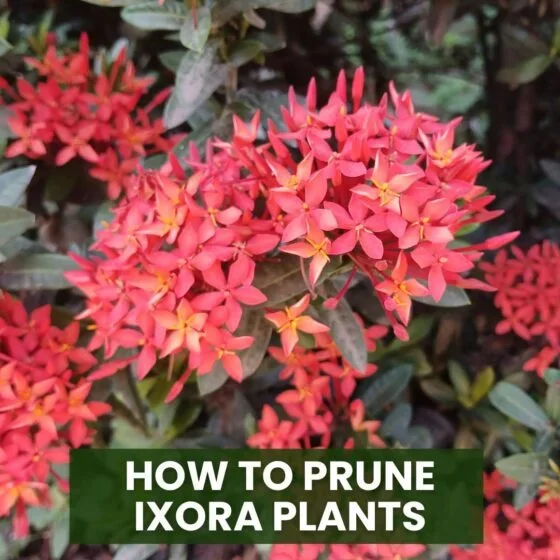
1. When to Prune Ixora for the Best Blooms
Timing changes everything with Ixora. The best window falls right after a blooming cycle finishes, typically from late spring through early fall, while the plant is actively growing and can recover quickly.
Cutting during this stretch means the shrub channels its energy into fresh growth instead of repairing stress from a poorly timed trim. Light touch-ups can happen almost any time, but save the bigger shaping cuts for these warmer months.
2. Tools You Will Need for Safe, Clean Cuts
The right tools protect Ixora from disease and rough, ragged wounds that take longer to heal. Sharp bypass pruners handle thin stems and soft new growth without crushing the tissue.
For thicker, older branches, loppers give you the leverage a hand pruner cannot. Keep rubbing alcohol or a diluted bleach solution nearby to wipe blades down before you start and between plants if you are working on more than one shrub.
3. How to Start Pruning Without Damaging the Plant
Begin with the easy decisions. Dead, broken, or diseased branches drain nutrients the plant could be putting toward flowers, so clear those out first before you touch anything healthy.
Once the weak wood is gone, look for branches that cross or rub against each other. Opening up these crowded spots improves airflow and lets sunlight reach the inner growth, which encourages stronger stems and fuller flower clusters.
4. Light Pruning for Young Ixora Plants
Young Ixora plants need a gentler hand. Rather than cutting back hard, pinch the soft tips of new growth using your fingers or the tip of your pruners. This simple habit encourages the plant to branch out instead of growing tall and thin.
Avoid heavy pruning while the shrub is still establishing its roots. A young plant needs that early energy for structure, not for recovering from an aggressive cut.
5. Shaping Mature Ixora Shrubs for a Compact Look
Mature Ixora tends to get leggy if it is left to its own devices. To bring it back to a neat, rounded form, shorten long stems by cutting just above a leaf node, which is where new growth will emerge.
Keep your cuts even around the outer edge so the shrub grows into a balanced shape rather than a lopsided one. If you are already reshaping garden beds nearby, this pairs naturally with ideas from our perennial garden layouts, since both come down to giving each plant enough room to hold its shape.
6. Rejuvenation Pruning for Overgrown Ixora Plants
If your Ixora has gone years without a real prune, it may look woody, sparse, and tired. This is where rejuvenation pruning comes in. Cutting the plant back by about a third stimulates fresh growth from the base.
Make these deeper cuts during the warm growing months so the shrub can recover quickly. It looks drastic in the moment, but Ixora responds well, usually pushing out new foliage and renewed blooms within a few weeks.
| Plant Condition | Recommended Cut |
|---|---|
| Mildly leggy | Light shaping, tip pruning |
| Old, woody, sparse | Cut back by one-third, warm season only |
7. How Much You Should Cut During Each Session
A common mistake is cutting too much at once. Removing more than about a third of the plant during a regular maintenance session can shock it and delay flowering for the rest of the season.
Smaller, more frequent trims beat one severe cut every time. Focus each session on removing excess height, evening out uneven sides, and thinning any overcrowded branches while keeping the plant’s natural shape intact.
8. How Pruning Affects Flower Production
Ixora flowers form on new shoots, which is exactly why pruning has such a direct effect on bloom cycles. When you remove old or weak stems, the plant redirects its energy into young, vigorous branches that hold larger and brighter flower clusters.
Trimming off faded blooms as they fade also keeps the shrub looking tidy and often encourages another round of flowering within the same warm season.
9. Tips for Pruning Ixora to Prevent Pests and Diseases
A well-pruned Ixora is far less inviting to aphids, mealybugs, and scale than a dense, crowded one. Thick, unpruned growth traps moisture, and that damp, shaded environment is exactly what fungal issues need to take hold.
Thinning the plant out solves most of this on its own. Just remember to clear away pruned debris from the soil afterward, since leaving cuttings around the base can reintroduce the same pests you just worked to prevent. If pest pressure is a recurring issue in your beds, our painted rock garden ideas are worth a look too, since ground cover choices around a shrub can influence moisture and airflow at the base.
10. Pruning Ixora for Container Gardens
Potted Ixora needs more frequent attention than shrubs planted in the ground. Container plants tend to grow outward quickly and can lose their shape faster than you would expect.
Keep trimmed branches on the shorter side and maintain a rounded silhouette so the plant does not become top-heavy in its pot. Regular light pruning also slows down how quickly the shrub outgrows its container.
11. Aftercare: What to Do After Pruning
Once you have made your cuts, give the plant a thorough watering to help ease the stress of pruning. A balanced, slow-release fertilizer around this time supports the new growth that is about to come in.
Adding a layer of mulch around the base helps hold moisture and protects the roots while the plant recovers. Resist the urge to prune again right away. Give the shrub time to respond before you pick up the shears once more.
12. Common Mistakes to Avoid While Pruning Ixora
A few habits cause more harm than most people realize. Cutting too close to the main stem leaves a wound that invites disease straight into the plant’s core, so always leave a small amount of stem above your cut.
Cold weather is another trap. Ixora reacts poorly to pruning stress combined with temperature stress, so save major cuts for warm months. And never start pruning a dry, wilted plant. Give it a good watering session first and let it rehydrate before you bring out the shears.
13. Seasonal Pruning Guide for Ixora Plants
Ixora care shifts a little with each season. Spring is the time to focus on shaping and encouraging fresh growth, while summer pruning targets faded blooms and any stray shoots that popped up during the growing rush.
Fall calls for a lighter hand, since the plant is starting to prepare for cooler weather and does not need major cuts. Winter pruning should be avoided altogether unless you are removing damaged or diseased branches. If you like planning garden tasks by season, our garden edging ideas follow a similar seasonal rhythm and make a nice companion project around your Ixora beds.
| Season | Focus |
|---|---|
| Spring | Shaping, encouraging new growth |
| Summer | Deadheading, removing stray shoots |
| Fall | Light touch-ups only |
| Winter | Avoid, except damaged wood |
Final Thoughts
Pruning Ixora feels intimidating the first time, mostly because it asks you to cut away more than seems necessary. Once you see how quickly the plant rewards that effort with fuller growth and brighter blooms, it stops feeling like a risk and starts feeling like routine care.
Stick to the right season, keep your cuts within that one-third limit, and give the plant a little aftercare once you are done. Do that consistently and your Ixora will reward you with color for years to come.
FAQ
When is the best time to prune Ixora plants?
Right after a bloom cycle finishes, typically from late spring through early fall while the plant is actively growing.
How much of the plant can I safely cut at once?
No more than about one-third during a regular pruning session, to avoid shocking the plant or delaying flowering.
Does pruning actually increase flowering?
Yes. Ixora blooms on new growth, so removing old or weak stems encourages the plant to push out fresh, flower-bearing branches.
Can I prune Ixora in a container the same way as in-ground plants?
Mostly yes, but container plants need more frequent, lighter trims to stay balanced and avoid becoming top-heavy in the pot.
What should I do immediately after pruning?
Water thoroughly, apply a slow-release fertilizer, and add mulch around the base to help the plant recover.