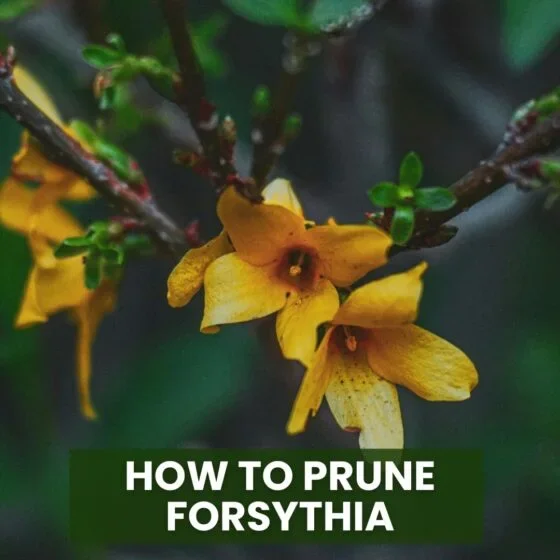
How to Prune Forsythia: Keep Your Shrubs Blooming and Healthy
In my years of working with early spring shrubs, forsythia is one of the most forgiving plants you can prune, and also one of the easiest to get wrong. Cut it at the wrong time and you lose an entire season of those bright yellow blooms everyone waits for after winter. Cut it the right way and it rewards you year after year with a fuller, more vibrant shrub.
This guide walks through the full pruning process for forsythia, from correct timing down to rejuvenation cuts for a shrub that has gotten away from you. Follow it once and the whole routine becomes second nature.
1. Why Pruning Forsythia Matters
Pruning forsythia is not just about keeping it tidy. Regular pruning removes old, weak, or damaged stems, which lets sunlight and air reach the center of the shrub instead of staying trapped in dense outer growth.
That improved airflow strengthens the whole plant and pushes it to produce new growth, which is exactly where next season’s flowers come from. Left unpruned, forsythia tends to sprawl into unwanted areas and bloom less each year.
2. When to Prune for Maximum Blooms
Timing decides more of your forsythia’s success than any other step. Forsythia blooms on last year’s wood, so the safest and most reliable window is immediately after flowering ends in late spring, which preserves next year’s buds.
A lighter, structural prune in late winter is possible if the shrub is overgrown, but keep it light. Heavy cuts at that point risk removing flower buds that are already forming for the coming season.
3. Tools You Will Need for Clean Cuts
Clean cuts heal faster and keep disease out, so it is worth gathering the right tools before you start. Sharp pruning shears handle smaller branches, while loppers give you the leverage needed for thick, older stems.
Gloves protect your hands from the shrub’s stiffer branches, and keeping disinfectant nearby to wipe blades between cuts reduces the risk of spreading any disease from one stem to another.
4. Remove Dead, Damaged, or Diseased Stems First
Start with the obvious problems. Examine the shrub for brown, broken, or weak stems and cut these at the base rather than partway up, which encourages a fully healthy regrowth from that point.
Clearing these out first improves air circulation right away and lowers the risk of fungal infections or pests settling into weak, damaged wood.
5. Thin Out Old Wood to Boost Next Year’s Blooms
Forsythia produces its best flowers on younger stems, which means some of the older, woody branches need to go even if they look perfectly healthy. Removing them opens space for the growth that actually blooms.
Cut one to three of the oldest stems each year at ground level. This steady thinning keeps encouraging new shoots that grow into larger, more vibrant flower clusters the following season.
6. Shape the Shrub for a Natural, Balanced Form
Once the dead and old wood is gone, step back and look at the overall shape before making more cuts. Forsythia naturally grows in a vase-like, arching form, and pruning works best when it supports that shape rather than fighting it.
Trim excess side growth to keep the shrub tidy and aim to maintain an open center. If you are shaping other beds around the yard at the same time, our perennial garden layout ideas follow the same principle of working with a plant’s natural growth habit rather than forcing an unnatural shape.
| Growth Habit | Pruning Goal |
|---|---|
| Vase-like, arching | Keep an open center |
| Wide side growth | Trim to balance height and width |
7. Cut Back Flowered Stems After Blooming
Once the blooms fade, lightly cut back flowered stems by about a third. This small step encourages fresh growth and can even extend flowering further along the branch during the same season.
Avoid cutting too aggressively here. Overdoing it removes next year’s flower buds before they have had a chance to form, which trades this season’s tidiness for a weaker bloom next spring.
8. Clear Out Suckers and Ground Shoots
Forsythia often sends up suckers from the base or shoots that creep along the ground. Left alone, these divert energy away from the main stems and give the shrub a messy, unkempt look.
Pull or cut these off at the base as you spot them. It is a quick habit to build into your regular garden walk-through, not a separate task you need to schedule.
9. Rejuvenation Pruning for an Overgrown Shrub
If your forsythia has not been touched in several years, it likely needs rejuvenation pruning rather than routine maintenance. Cut up to a third of the oldest stems at ground level in early spring, once the risk of frost has passed.
This encourages vigorous new growth from the base and gradually restores the shrub’s natural shape over a couple of seasons rather than forcing it all at once.
10. Light Maintenance Pruning in Late Winter
Beyond the major cuts, a light maintenance prune in late winter helps keep the shrub in shape without risking next year’s blooms. Wait until the harshest frosts have passed before making any cuts.
Focus only on weak or crossing branches during this pass. It removes damaged growth and readies the plant for spring while leaving the flower buds on older stems untouched.
11. Dispose of Cuttings and Clean Up Debris
Once you have finished cutting, remove and discard all trimmed stems and debris, especially anything that showed signs of disease before you cut it away. Leaving cuttings scattered around the shrub does more harm than it looks like it would.
Fallen debris can harbor pests and fungal issues right at the base of the plant you just worked to clean up. A quick cleanup pass finishes the job properly.
12. Mulch and Fertilize to Support Recovery
After pruning, apply a layer of organic mulch around the base to retain moisture and help regulate soil temperature while the shrub recovers from its cuts.
A slow-release fertilizer supports the new growth on its way, but keep nitrogen levels moderate. Too much nitrogen pushes the plant toward leafy growth instead of the blooms you are pruning for in the first place. If mulch and edging is part of your regular routine, our lawn stone edging ideas make a tidy companion project around shrubs like this one.
13. Keep Pests and Disease in Check While You Prune
Use your pruning time as a chance to inspect the shrub closely. Look for aphids, scale, or signs of fungal infection while you are already working through the branches up close.
Removing affected areas early prevents the problem from spreading further into the plant. A healthy forsythia not only responds better to pruning but also produces noticeably more abundant blooms.
14. Avoid Heavy Pruning in Summer
By midsummer, forsythia is already forming the buds that will bloom next spring, which makes this the wrong time for any heavy cuts. Pruning now trades next year’s flowers for a tidier look today.
Stick to post-bloom or late winter pruning windows, and if a stray branch bothers you in summer, a small trim is fine. Just avoid the larger structural cuts until the proper season comes back around. Pairing this with our painted rock garden ideas can help define the space around your forsythia without needing to touch the shrub itself mid-season.
Final Thoughts
Forsythia pruning comes down to a handful of habits repeated consistently rather than one perfect session. Prune right after blooming, thin the old wood each year, and save the bigger cuts for a shrub that truly needs rejuvenation.
Follow this rhythm and your forsythia will keep rewarding you with a fuller shape and brighter yellow blooms every spring, season after season.
FAQ
When is the best time to prune forsythia?
Right after flowering ends in late spring, since this preserves the buds that will bloom next year.
How many old stems should I remove each year?
One to three of the oldest stems at ground level is usually enough to encourage strong new growth.
Can I prune forsythia in late winter?
Yes, but only light maintenance. Save heavier structural cuts for right after blooming.
What happens if I prune forsythia in summer?
Heavy summer pruning removes buds that are already forming for next season, reducing next year’s blooms.
How do I fix a forsythia that has not been pruned in years?
Use rejuvenation pruning, cutting up to one-third of the oldest stems at ground level in early spring, and repeat over a few seasons.