How to Choose Quality Garden Tools That Actually Last
Walk into any garden center and you’ll find shelves of pruners, trowels, and shears in every price range imaginable. The tricky part isn’t finding tools, it’s telling which ones will actually hold up after a season of real use.
This guide breaks down what to actually look for when buying garden tools, from blade material to grip comfort, so you can spend your money on tools that earn their keep for years instead of ending up rusted in a drawer.
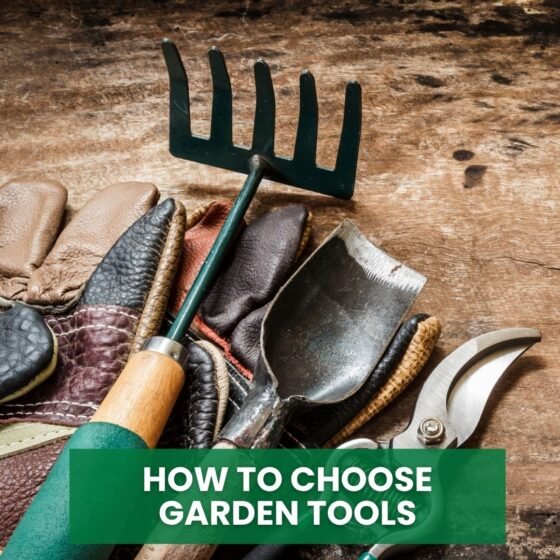
1. Understand Why Tool Quality Actually Matters
A cheap pair of shears might save you a few dollars upfront, but dull, poorly made blades crush stems instead of cutting them cleanly, and a ragged cut heals much slower on any plant.
Good tools also just make gardening more enjoyable. Less effort per cut, less hand fatigue, and fewer trips back to the store to replace something that snapped after a few uses.
2. Check the Blade Material First
The blade is where quality either shows up or falls apart fast. Carbon steel holds a sharp edge longer and is easy to resharpen, though it needs a bit more care to prevent rust.
Stainless steel resists rust better with less upkeep, but tends to dull a touch faster. Either can work well, it just depends on how much maintenance you’re willing to put in.
3. Know the Difference Between Bypass and Anvil Cutters
Bypass pruners work like scissors, with two curved blades sliding past each other. They’re the better choice for live stems and precise pruning, since they leave a cleaner cut that heals faster.
Anvil pruners have a single blade that closes onto a flat surface, which crushes softer stems but works well on dead or dry wood where a clean cut matters less.
4. Test the Grip and Handle Comfort
A tool can have a great blade and still feel miserable to use if the handle doesn’t fit your hand. If you’re buying in person, actually squeeze the handles a few times before deciding.
Look for cushioned or contoured grips, especially if you’ll be gardening for hours at a time. Your hands will thank you by the end of a long pruning session.
5. Build a Basic, Useful Starter Set
You don’t need every tool on the shelf to get started. A solid bypass pruner, a hand trowel, a pair of gloves, and a decent pair of garden scissors cover most everyday tasks.
Build out from there as your garden grows and you discover what you actually reach for most, rather than buying a full set upfront that half sits unused in a shed.
6. Pay Attention to Weight and Balance
A tool that feels heavy after five minutes will feel exhausting after an hour. Lighter isn’t always better either, since a tool that’s too light can feel flimsy on tougher cuts.
Look for something that feels balanced in your hand, not weighted heavily toward the blade or the handle. This matters even more for anything you’ll be using at arm’s length, like loppers or hedge shears.
7. Look for Tools With Replaceable Parts
Better brands often sell replacement blades, springs, and handles separately, which means a tool can last a decade instead of getting tossed the moment one part wears out.
Before buying, a quick search of the brand name plus “replacement parts” tells you a lot about how long-term the company expects their tools to be used for.
8. Don’t Skip Rust-Resistant Coatings
Coated or treated blades, like non-stick or powder-coated finishes, resist both rust and sap buildup a lot better than bare metal, especially if your tools spend time outdoors between uses.
This matters even more for anything used on sappy plants. Cutting something like Euphorbia, for instance, coats a blade in sticky residue fast, and our Euphorbia pruning guide covers just how much that sap can build up during a single session.
9. Keep Tools Clean and Sharp to Protect the Investment
Even the best tool won’t last if it’s never cleaned. Wiping blades down with rubbing alcohol after each use, the same habit worth building into any pruning routine like the one covered in our fern pruning guide, keeps disease and buildup from shortening a tool’s life.
A quick sharpen every few months keeps the blade cutting cleanly instead of tearing through stems, which puts less strain on both the tool and the plant.
10. Store Tools Properly Between Uses
Even a well-made tool won’t hold up if it’s left outside in the rain or tossed in a damp corner of the garage. A dry storage spot, ideally hung rather than piled in a bin, protects both the blade and the handle.
Taking care of your tools directly protects the plants they touch too, since a rusted or poorly maintained blade can stress a plant that’s already working to recover, something our guide on how to save a dying plant touches on when it comes to clean cuts during recovery.
Final Thoughts
Choosing quality garden tools comes down to a few things that actually matter: solid blade material, a cutting style suited to the job, and a grip that feels good in your hand after the tenth cut, not just the first.
Look after what you buy, and a good set of tools should stay in rotation for years, making every gardening task a little easier along the way.
FAQ
What’s the most important tool for a beginner gardener?
A good bypass pruner covers the widest range of everyday tasks, from deadheading to shaping, making it the smartest first purchase.
Is stainless steel or carbon steel better for garden tools?
Carbon steel holds a sharper edge longer but needs more upkeep, while stainless steel resists rust with less maintenance overall.
How often should I sharpen my pruning shears?
Every few months for regular use is a good baseline, or sooner if you notice cuts starting to crush stems instead of slicing cleanly.
Do expensive garden tools actually last longer?
Generally yes, especially when they come with replaceable parts, since a well-made tool can be maintained for years instead of replaced entirely.
Can I use the same pruners on all my plants?
Mostly yes, though disinfecting the blades between plants matters more than owning separate tools for each one.
What’s the best way to prevent rust on garden tools?
Keep blades clean, dry, and lightly oiled, and store tools somewhere they won’t sit in moisture between uses.